Amgen Settles Opdivo Patent Fight, Sets 2028 US Biosimilar Launch
Amgen will launch its biosimilar to Bristol Myers Squibb's cancer drug Opdivo in the US on Oct. 1, 2028, after settling a patent lawsuit.
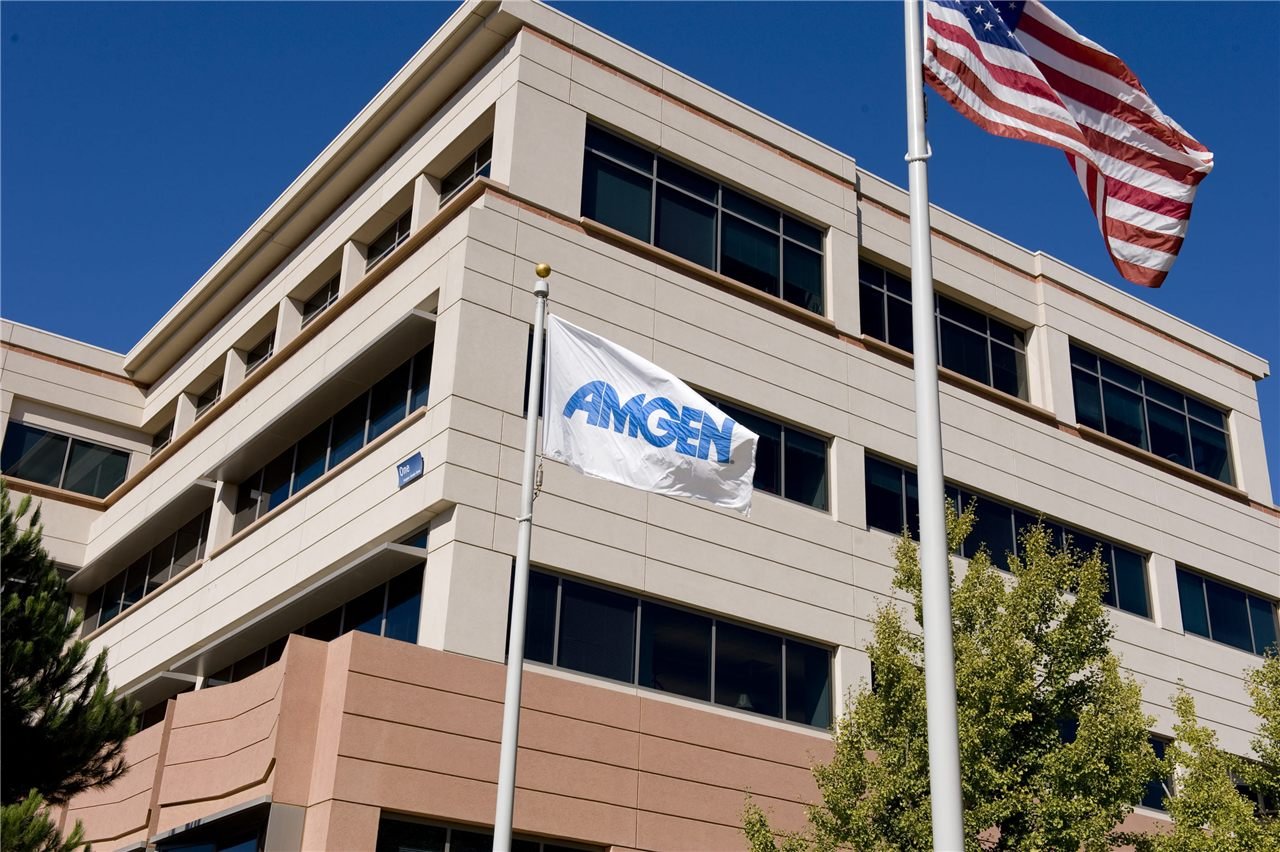
Amgen has settled a patent lawsuit brought by Bristol Myers Squibb and Japan’s Ono Pharmaceutical, clearing the way for the California biotech company to launch a cheaper copy of the blockbuster cancer drug Opdivo in the United States on Oct. 1, 2028, provided the product wins approval from the Food and Drug Administration. Amgen announced the agreement in a statement on Tuesday, Nov. 24, and said the financial and other terms are confidential.
What happened
The deal ends litigation over ABP 206, Amgen’s experimental biosimilar version of nivolumab, the active ingredient in Opdivo. A biosimilar is a near-copy of a biologic drug, a complex medicine made from living cells, that regulators judge to have no meaningful clinical differences from the original. Opdivo belongs to a class of immunotherapies that block PD-1, a protein that helps cancer cells evade the body’s immune system.
The settlement was reached with Bristol-Myers Squibb Company, its subsidiary E. R. Squibb & Sons, and Ono Pharmaceutical, a Japanese drugmaker that developed nivolumab and shares rights to it with Bristol. According to Amgen’s statement, which the company also filed with the U.S. Securities and Exchange Commission, the agreement allows Amgen to sell its version in the U.S. before the expiration of patents that could otherwise have been asserted against it.
Murdo Gordon, Amgen’s executive vice president of Global Markets and Policy, said the agreement “creates a pathway for timely biosimilar competition,” adding that it could generate savings for patients and the U.S. health care system.
Seeking Alpha, which reported the settlement on Wednesday, described it as setting up a biosimilar launch in 2028. Bristol Myers Squibb’s own comment on the deal was not included in the coverage reviewed for this article.
Why it matters
Opdivo is one of the most important products in Bristol’s portfolio. The drug generated more than $10 billion in worldwide sales in 2025, up 8% from a year earlier, including more than $5.9 billion in the U.S. alone, Fierce Pharma reported in September, citing Bristol’s financial results.
For Bristol, a fixed entry date offers some predictability as it prepares for the loss of exclusivity on a major revenue source. The company had already signaled the timing: its latest annual report put the estimated minimum market entry date for U.S. Opdivo biosimilars in 2028, according to Fierce Pharma. The settlement’s October 2028 date for Amgen falls within that window.
For Amgen, the agreement removes the legal uncertainty that could have delayed or blocked a launch, and positions the company to compete in one of the largest oncology markets once biosimilars are allowed. Amgen has an established biosimilars business and has previously said it expects ABP 206 to be among the first copies of Opdivo to reach the market.
Background: the Delaware lawsuit
Bristol and Ono sued Amgen in federal court in Delaware in September, alleging that ABP 206 would infringe seven patents covering Opdivo’s active ingredient and methods of treatment. The companies asked the court to bar Amgen from making or selling its biosimilar while those patents remained in force, Fierce Pharma reported at the time.
The complaint also raised a procedural dispute. Lawyers for Bristol and Ono alleged that Amgen had only “purported to comply” with its obligation under federal biosimilar law to share information about its product, and said Bristol had identified missing details about Amgen’s manufacturing process, according to Fierce Pharma. Those claims were allegations and were not ruled on by a court before the settlement.
At the time, an Amgen spokesperson told Fierce Pharma the company remained confident that ABP 206 would be “in the first wave of Opdivo biosimilars.”
Opdivo was first approved in 2014 for advanced melanoma and has since been cleared for a range of cancers. Bristol has also introduced Opdivo Qvantig, an under-the-skin version of the drug, a move widely seen in the industry as a way to retain patients as biosimilars of the original intravenous version approach.
What comes next
The launch still depends on regulators. Amgen said its application for ABP 206 has been submitted to and accepted for review by the FDA, which is expected to act on it by the end of 2026. Key points to watch include:
- The FDA’s decision on ABP 206, expected before the end of this year.
- Whether other drugmakers developing nivolumab biosimilars reach similar agreements or pursue litigation.
- How Bristol manages the transition of patients to Opdivo Qvantig ahead of the 2028 entry date.
Because the settlement terms are confidential, it is not known whether the agreement includes payments, royalties or other conditions between the companies.