Barclays to Cut 5,000 Jobs, About 5% of Staff, in AI Efficiency Push
Barclays will cut about 5,000 jobs this year as it leans on AI to lower costs, while bond trading weakness left quarterly profit short of forecasts.
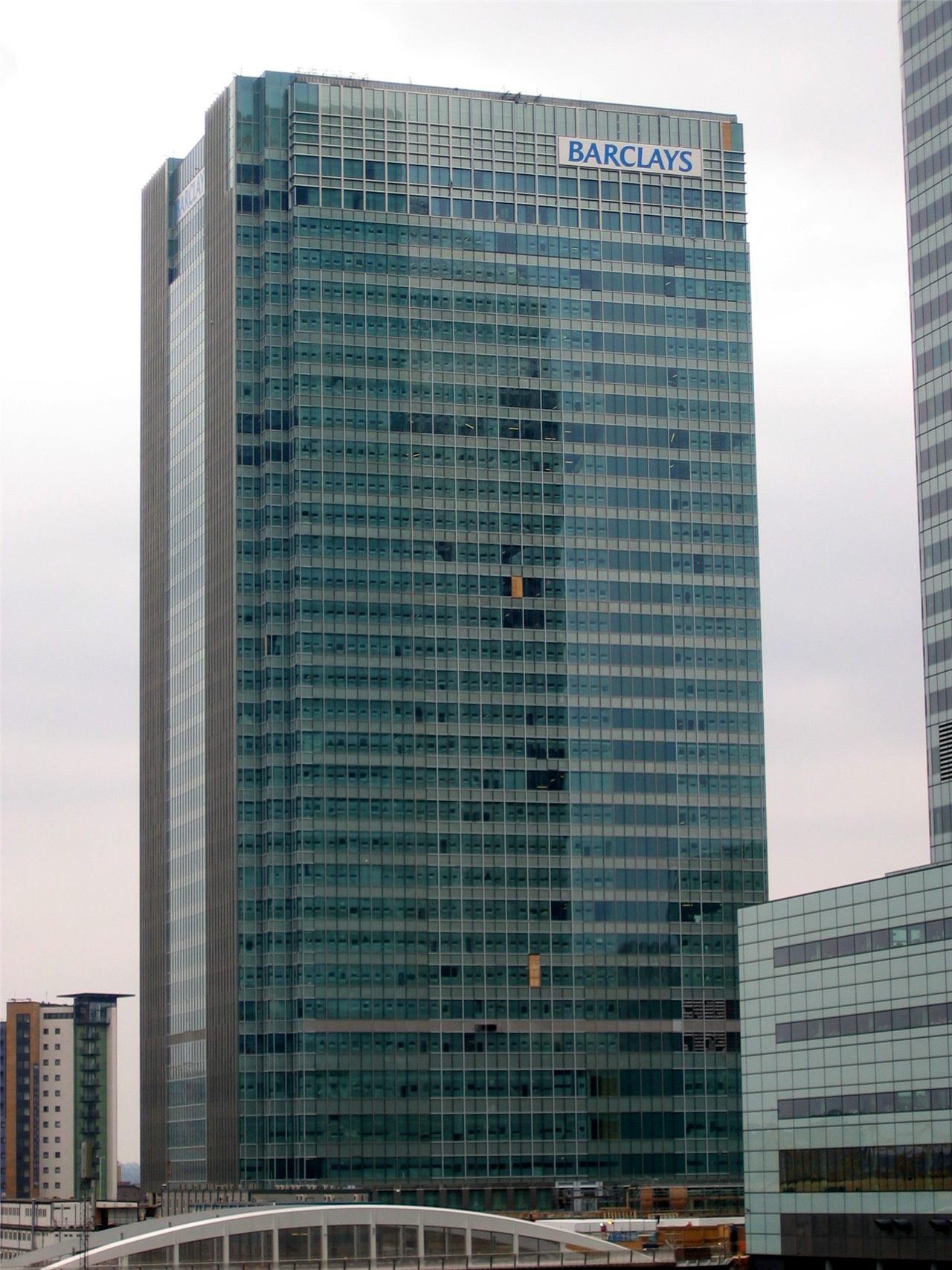
Barclays, one of Britain’s largest banks, said Thursday it will cut about 5,000 jobs this year, roughly 5% of its workforce, as it relies more heavily on artificial intelligence and other technology to lower costs. The announcement came alongside third-quarter results that showed profit rising but falling short of analysts’ expectations, held back by a weak quarter in bond trading.
What happened
Barclays disclosed the job cuts in its third-quarter earnings materials, which link the reductions to “organisational simplification and technology change efficiency driven by AI,” Business Insider reported. About 1,000 positions have already been eliminated, and the rest are due to go by the end of the year, according to Reuters.
Roughly 60% of the cuts will fall on support functions, a category that includes software developers, the bank’s earnings presentation showed. Anna Cross, Barclays’ group finance director, said the reductions come as “AI makes our people more productive,” according to Business Insider. Reuters described the move as one of the clearest signs yet from a major bank that AI is reducing headcount in such roles.
The bank also booked £201 million in what it calls “structural cost actions” during the quarter, part of a longer-running effort to bring down fixed expenses such as staff costs, Reuters reported. Cross told analysts on the earnings call that Barclays UK, the group’s British retail banking arm, had taken more of these actions in 2026 than originally planned.
Profit up, but short of forecasts
Barclays reported third-quarter pre-tax profit of £2.3 billion (about $3.08 billion), up 12% from a year earlier but slightly below the roughly £2.4 billion analysts had expected, the financial news service Sharecast reported. Earnings per share rose 18% to 12.3 pence, and return on tangible equity, a key gauge of bank profitability that measures earnings against shareholders’ capital excluding intangible assets, improved to 11.7% from 10.6%.
The weak spot was the investment bank. Income from fixed income, currencies and commodities trading, known as FICC, fell 19% to £1 billion, well short of the £1.3 billion analysts had forecast, according to Reuters. Sharecast said the bank cited lower client activity in rates and credit trading in the second half of the quarter and further difficulties in September. By comparison, fixed income revenue at major US banks fell about 5% over the same period, Reuters said.
Equities trading was a bright spot, with income jumping 47% to £1 billion, ahead of the 37% average gain at the five largest US players, according to a Reuters calculation. Investment banking income slipped 3% to £1.1 billion, Sharecast reported, and total income at the investment bank came in at £3.1 billion, below the £3.3 billion analysts had forecast.
C.S. Venkatakrishnan, Barclays’ chief executive, said he was disappointed with fixed income trading, blaming a volatile quarter, and said the issue would get his attention, Reuters reported. In the results statement, he said that with one quarter left in its three-year plan, the bank had “either achieved or are on track to achieve all of our 2026 group targets.” Barclays also announced a £500 million share buyback, a program in which a company repurchases its own stock.
Why it matters
The announcement is a concrete example of a question hanging over the broader labor market: whether AI tools will shrink white-collar employment, particularly in back-office and technical roles. Will Howlett, a financials analyst at investment manager Quilter Cheviot, told Reuters the cuts show how much AI and automation could reshape banking in the years ahead.
Barclays is not alone. Reuters noted that Microsoft and HSBC have also announced layoffs this year as automation increasingly affects employment. Business Insider reported that Goldman Sachs said in a memo last year it would “restrain head count growth,” and that Jamie Dimon, chief executive of JPMorgan Chase, has said the bank will likely hire fewer bankers and more “AI people.” A Business Insider review of 15 corporate layoff memos earlier this year found “AI” was the most commonly used term.
The picture is not one-directional, however. Some companies have increased hiring as they adopt AI or shifted staff into new roles, Business Insider noted, and some executives say the technology makes judgment and client communication skills more valuable in junior employees.
Russ Mould, investment director at the UK investment platform AJ Bell, said Barclays was “reaching for the AI lever” and that the buyback did not fully ease investor disappointment with the results, according to Sharecast.
What comes next
Barclays shares were little changed in London trading on Thursday. Reuters reported a 0.1% dip, while Sharecast showed the stock up 0.5% at 421.45 pence in mid-morning trading. The shares are down about 12% so far this year, in line with European peers, Reuters said.
The bank faces near-term pressures at home. John Healey, Britain’s chancellor of the exchequer, delivers his first budget on Oct. 28 and has not ruled out higher taxes on bank profits, Reuters reported; banks argue they are already heavily taxed and that a new levy would curb lending. Mould also pointed to a reported probe by the Prudential Regulation Authority, the Bank of England’s banking supervisor, into whether risks in Barclays’ private credit portfolio were misrepresented, which he said could weigh on the shares for longer.
Barclays said it remains on track for a return on tangible equity above 12% in 2026, and Venkatakrishnan said the group is “confident in and committed to the 2028 targets.”