Fed Drops Rate Vote From October 2027 Meeting in Warsh Overhaul
The Federal Reserve will skip a rate decision at its October 2027 meeting and use it for strategy talks, the latest of Kevin Warsh's changes to how the Fed works.
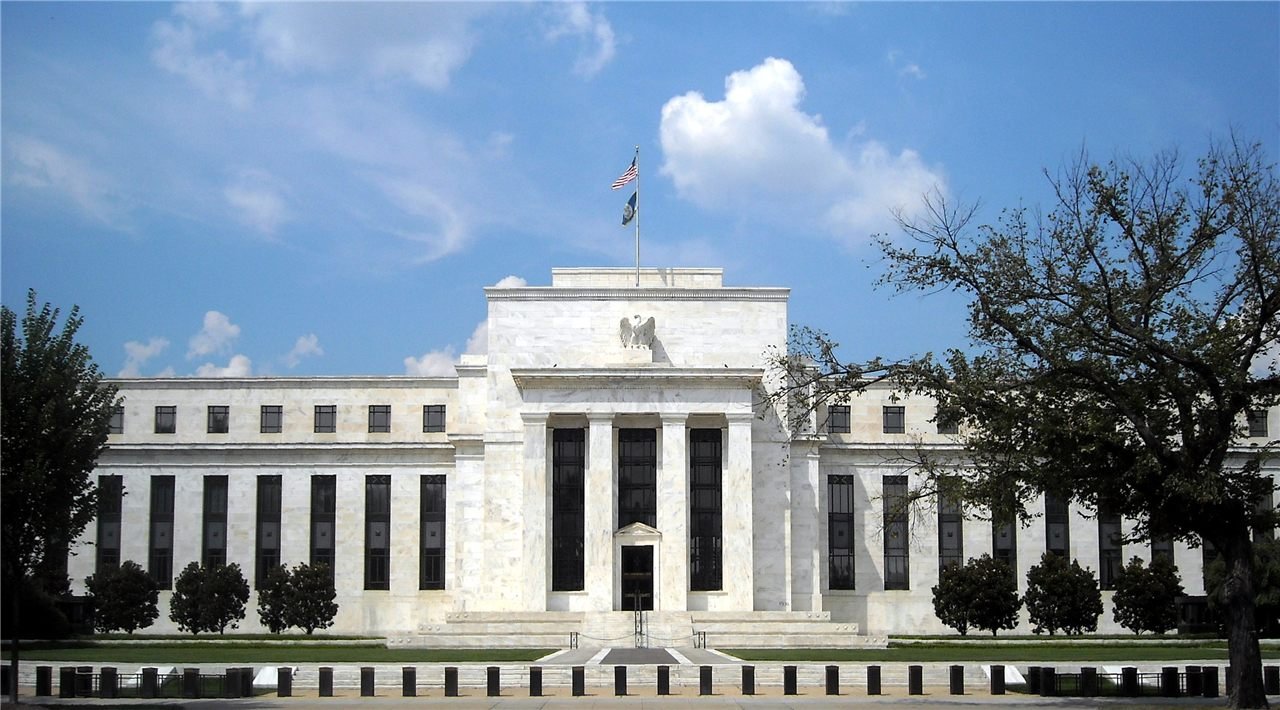
The Federal Reserve will not vote on interest rates at its October 2027 policy meeting, setting the session aside for a discussion of long-term monetary strategy instead, CNBC reported on Thursday, Nov. 12. The move is the first concrete step in a plan by Kevin Warsh, chair of the Federal Reserve, to cut back how often the central bank sets rates and to shrink its role as a near-constant driver of financial markets.
What happened
According to CNBC, the Federal Open Market Committee (FOMC), the Fed panel that sets the benchmark federal funds rate, will use its Oct. 26-27, 2027 gathering for what the Fed described as “the discussion of broad monetary policy strategy issues.” There will be no formal rate vote and no post-meeting policy statement.
That leaves seven rate-setting meetings in 2027 instead of the usual eight. CNBC also reported that the final meeting of the year will move from December to November. The committee’s first meeting of 2027 is scheduled for Jan. 26-27, while its next meeting this year is set for Dec. 8-9.
Warsh first outlined the idea at his news conference after the Fed’s October 2026 meeting, but he did not say then which session would be affected. Reuters reported at the time that Warsh said it was “not obvious” what the Fed would disclose after such strategy meetings and that details would follow. Thursday’s announcement fills in the date.
Why the Fed is making the change
Warsh has framed the schedule as a matter of institutional design rather than economic conditions. According to CNBC, he said the reasoning was “quite straightforward”: rate decisions require a regular look at near-term data, but the committee also needs dedicated time to think about bigger, longer-range questions, which he has called the “left side of the decimal point.” He described the meeting calendar and agenda as an institutional choice that shapes the quality of the committee’s deliberations.
The National News Desk, which covered the October news conference, reported that Warsh said “eight meetings per year is the right number for the FOMC,” but that he does not expect policy decisions at the strategy-only sessions. He has said he expects two strategy meetings and six rate-setting meetings in 2028.
The plan fits a broader pattern since Warsh became chair in May 2026, Reuters reported. Among the changes so far:
- The post-meeting policy statement has been shortened substantially.
- Press conference question-and-answer sessions have been cut to about 30 minutes from roughly 45, according to CNBC.
- Warsh does not offer forward guidance on the likely path of rates and does not submit personal forecasts to the Fed’s quarterly economic projections, Reuters reported.
Warsh has argued that heavy forward guidance under previous leadership boxed policymakers in when it came time to act, CNBC noted.
What it means for markets
Fed meetings have long been among the most closely watched events on Wall Street, with stock, bond and currency traders positioning around each rate decision and the chair’s comments. Fewer decision dates could reduce that focus, which is part of Warsh’s stated goal of lowering the central bank’s footprint in markets.
There are trade-offs. Omair Sharif, president of the research firm Inflation Insights, told Reuters before the date was confirmed that he expected October 2027 to be the first meeting without a rate decision. He noted that the change would open a 12-week gap between possible policy moves, though it would also give officials two sets of inflation reports to review in that span rather than one.
Reuters also pointed out that the Fed is not limited to its calendar. It can change rates between scheduled meetings if conditions demand it, as it did in early 2020 at the start of the COVID-19 pandemic.
Background: a Fed in tightening mode
The schedule change comes as the Fed has turned back toward raising rates. In September 2026 the central bank lifted its benchmark rate by a quarter of a percentage point, its first increase since 2023, The National News Desk reported. At his October news conference, Warsh said inflation had been above the committee’s target for close to six years and that bringing it down was the Fed’s responsibility. He described employment conditions as “quite positive” and said financial and credit conditions had tightened for some businesses and households.
Investors will be watching the December meeting for the next rate decision, and for any further details on what the public will learn from the strategy-only sessions planned for 2027 and 2028.