Kalshi Halts Bets on Trump’s Remarks After CFTC Order
Prediction market Kalshi paused contracts on what President Trump will say after the CFTC warned they may be open to manipulation.
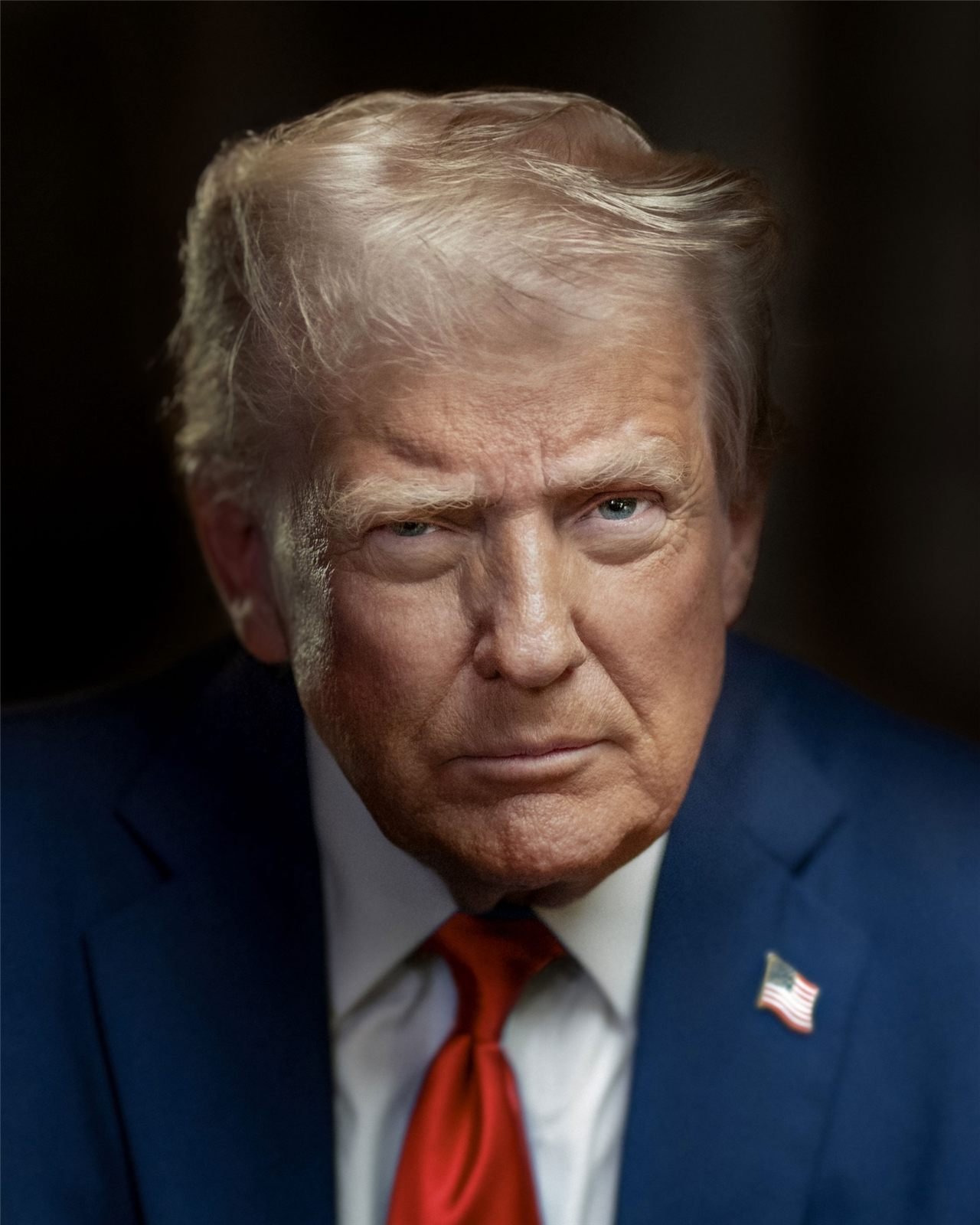
Kalshi, the federally regulated prediction market, has stopped offering contracts that let traders bet on what President Donald Trump will say in public, after the Commodity Futures Trading Commission (CFTC) ordered it to suspend them over concerns the markets could be manipulated. The company confirmed the pause on Tuesday, Nov. 17, saying it was complying with the regulator’s order.
The Wall Street Journal reported that Kalshi plans to keep the Trump-speech contracts off its platform indefinitely, according to a summary of the report published by Investing.com. CNBC reported that the exchange had quietly paused trading in a handful of the contracts at the end of last week, at the CFTC’s request.
What happened
The contracts at issue are known as “mention markets,” a type of event contract that pays out depending on whether a speaker uses particular words or phrases in a speech, a television appearance or a corporate earnings call. According to CNBC, the paused Trump markets included bets on which nicknames the president would use before 2027, what he would say during November, and which countries and companies he would mention before the end of the month.
The CFTC, the federal agency that oversees futures and prediction markets, acted through an order dated Nov. 13, a Friday, according to the crypto and finance outlet The Defiant. That order requires Kalshi to defend its Trump-word contracts by Dec. 11, The Defiant reported. Rather than banning the contracts outright, the agency put a hold on their certification while it reviews them.
“The CFTC stayed the certification of these contracts because they may be susceptible to manipulation,” Brooke Nethercott, a spokesperson for the commission, told CNBC. Dani Lever, a spokesperson for Kalshi, said the company was complying with the order. The White House did not respond to CNBC’s request for comment.
Accounts differ slightly on the scope and timing. CNBC described existing markets being taken down late last week, while the Journal’s report, as summarized by Investing.com, framed the move as an indefinite halt to offering the contracts going forward. Investing.com also said Kalshi has cut its overall catalog of mention markets by more than half.
What remains on the platform
The pause does not cover every contract tied to the administration. Kalshi is keeping several other markets active, according to the Investing.com summary of the Journal’s reporting, including:
- Bets on upcoming remarks by Vice President JD Vance, including what he would say at the New York Times DealBook Summit on Wednesday, which CNBC said was still live on Tuesday morning
- Contracts on whether senior administration officials will leave their posts this year
- Markets on the tenure of Commerce Secretary Howard Lutnick
Sudhir Jain, Kalshi’s chief regulatory officer, said at an event in New York last month that the company’s remaining Trump, corporate-earnings and keynote contracts offered “true hedging utility,” Investing.com reported. Kalshi has argued that its internal security protocols are adequate to guard against manipulation, and it has defended mention markets on the grounds that a single word from a prominent figure can move billions of dollars across financial markets, according to CNBC.
Why it matters
Mention markets account for modest trading volume compared with Kalshi’s broader economic and political contracts, but they have drawn outsized attention on social media and growing scrutiny in Washington. The core concern is that people with advance knowledge of a speech, or the ability to influence its wording, could profit from that information.
That concern became concrete earlier this year. In July, it emerged that a White House teleprompter operator had traded on Kalshi markets linked to the president’s comments, CNBC reported. The individual settled with the CFTC over allegations that he used nonpublic information to place winning bets on Mr. Trump’s speeches; the settlement included a three-year trading ban and a penalty of more than $172,000, according to CNBC.
In August, reports surfaced of an internal CFTC review of mention markets, and the agency asked Kalshi, the only U.S.-regulated exchange offering such contracts, to remove its sports-related versions, which the company did. In September, the CFTC wrote to exchanges warning that mention contracts carry a greater risk of manipulation. One of the contracts now on hold, which asks what key words the president will say before a given date, was self-certified by Kalshi in February 2025, CNBC said. Under self-certification, an exchange lists a new product by attesting to the regulator that it complies with the law, without waiting for advance approval.
What comes next
The Trump-speech pause comes as regulatory pressure on Kalshi builds on several fronts. On Nov. 11, the CFTC opened a probe into whether Kalshi improperly self-certified event contracts, including how it communicated with the agency about new products, CNBC reported. A Kalshi spokesperson said the company was working to resolve those issues.
The commission, led by Chair Michael Selig, has sought to expand the prediction-market industry while reining in what it views as excesses, according to Investing.com. The agency has also opened a wide-ranging investigation into rival platform Polymarket and is involved in roughly a dozen state-level legal fights over allegations that prediction markets amount to unlicensed gambling, the most recent in Louisiana.
Scrutiny may intensify further. Following sweeping Democratic gains in the November midterm elections, Democrats are expected to take control of key congressional investigative committees, and prediction-market operators are widely expected to face more formal inquiries, Investing.com reported. For now, Kalshi has until Dec. 11 to make its case that the Trump-word contracts should be allowed to return.