Kraft Heinz to Sell Maxwell House Coffee Unit in $650 Million Deal
Kraft Heinz will sell control of its North American coffee business, including Maxwell House and Gevalia, to One Rock Capital Partners.
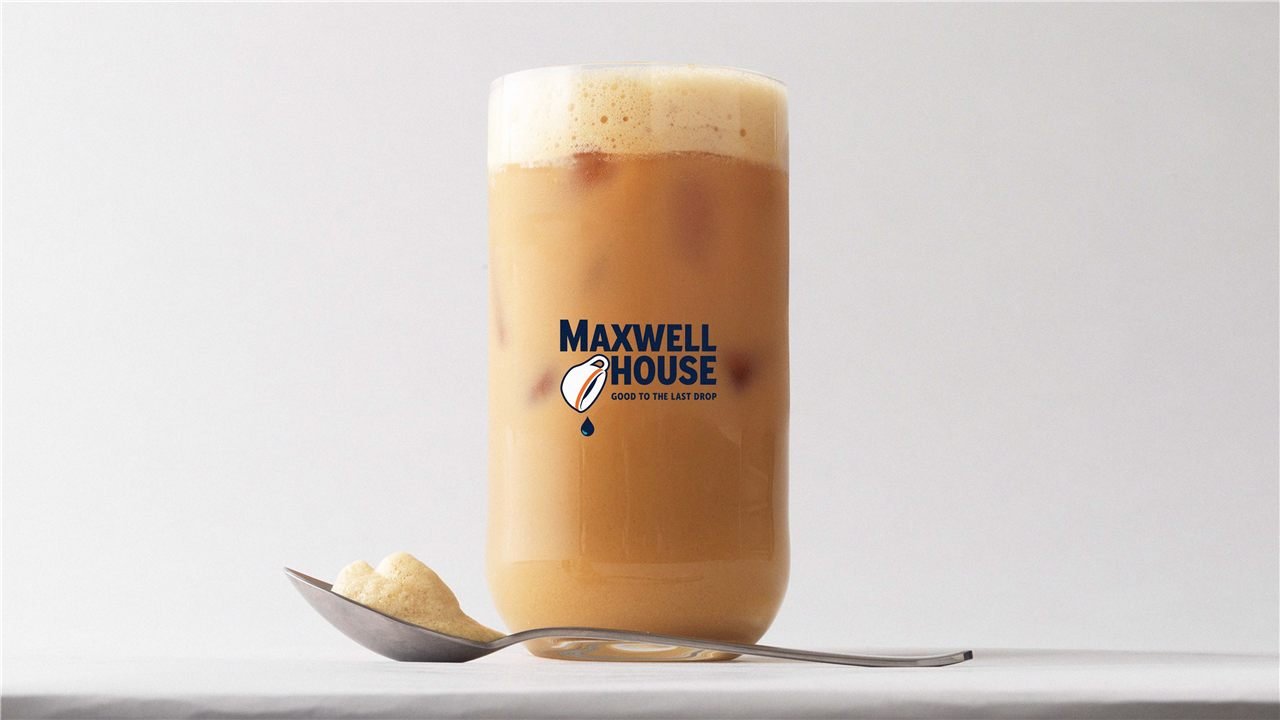
Kraft Heinz, the packaged-food giant behind Heinz ketchup and Kraft Mac & Cheese, said Wednesday it will sell control of its North American coffee business to private equity firm One Rock Capital Partners. The deal values the unit, home to century-old brands Maxwell House and Gevalia, at $650 million. The sale is the clearest step yet in Chief Executive Steve Cahillane’s effort to slim down the company and pay down debt.
What happened
Under the agreement, an affiliate of One Rock, a firm that specializes in buying and restructuring businesses, will take a controlling stake in the coffee operation. Kraft Heinz will keep a 30% noncontrolling stake. CNBC reported that the $650 million figure is an enterprise value, a measure that includes debt as well as equity.
Kraft Heinz said it expects about $500 million in after-tax cash from the deal and plans to use the money to reduce debt. The transaction is expected to close in mid-2027, subject to regulatory approvals and customary conditions.
Daily Coffee News, a trade publication, reported that seven brands are part of the sale:
- Maxwell House
- Gevalia
- Yuban
- Sanka
- Tassimo, a single-serve pod system
- Nabob, a Canadian coffee brand
- Ethical Bean, a Vancouver-based organic and Fairtrade roaster Kraft Heinz bought in 2018
The deal also includes the company’s coffee manufacturing operations in Jacksonville, Florida, and Vancouver, British Columbia. Reports differ slightly on the number of plants. Just Drinks, a beverage industry outlet, said three facilities are involved, while Daily Coffee News described plants in the two cities without giving a count. Both outlets reported that about 250 full-time employees, working in manufacturing, sales, marketing, finance, human resources and research, are expected to move with the business.
Kraft Heinz did not disclose the coffee unit’s revenue or profit, Daily Coffee News noted.
Why it matters
The sale fits a broader overhaul under Cahillane, who became CEO in January. According to Just Drinks, Cahillane has sorted Kraft Heinz’s brands into three groups: “hold,” “win” and “win big.” North American coffee was in the “hold” group, meaning it was not a priority for new investment.
“This transaction is a meaningful step in unlocking value from our portfolio,” Cahillane said in the company’s announcement. Kraft Heinz said the sale would let it focus on parts of the business where it can speed up growth, and that it expects the deal to be “growth and margin accretive,” meaning it should lift both its growth rate and its profit margins.
Wall Street responded well. CNBC reported that Kraft Heinz shares rose about 5% Wednesday morning. Matt Smith, an analyst at investment firm Stifel, noted that coffee sits in the part of the portfolio most exposed to swings in commodity prices and competition from cheaper store brands. “We view the sale positively,” he wrote, according to Just Drinks.
Coffee has been a hard business for packaged-food makers recently. Daily Coffee News reported that Kraft Heinz’s 2025 results listed higher coffee costs as a reason for raising prices on shoppers, and also pointed to falling coffee sales volumes.
Background
Maxwell House has been part of the Kraft family for decades. It belonged to General Foods, which merged with Kraft in 1989 under their then-parent Philip Morris. The coffee business stayed with Kraft Foods Group when that company split from the snack business that became Mondelez International in 2012. Kraft then merged with H.J. Heinz in 2015 in a $46 billion deal.
In September 2025, the company announced plans to split into two publicly traded companies, which would have largely undone the 2015 merger. Cahillane paused that plan in February, saying the company’s problems were “fixable and within our control,” CNBC reported. His turnaround plan has included putting about $700 million back into the business and a tighter focus on core brands.
The company has also improved its near-term forecast. Alongside better-than-expected third-quarter results, Kraft Heinz raised its 2026 outlook and now expects organic net sales, which strip out acquisitions, divestitures and currency effects, to fall 0.5% to 1.25%. Its forecast after the second quarter had called for a decline of as much as 2%. Cahillane said the plan to turn around the U.S. business and grow faster abroad “is on track,” according to CNBC.
What comes next
One Rock says it plans to invest in the coffee brands after the deal closes. “We intend to accelerate investment across the brand portfolio to drive growth and innovation,” Tony W. Lee, a managing partner at the firm, said. He called Maxwell House and Gevalia “household staples for more than 100 years.” One Rock has bought a big consumer brand from a food giant before: in 2021 it acquired Nestlé’s North American bottled water business.
Until the deal closes in mid-2027, the coffee unit stays with Kraft Heinz. Investors will be watching whether Cahillane sells more of the “hold” brands and whether the company’s turnaround can produce lasting sales growth.