Nvidia Stock Slides After CEO Huang Quits Amid Probe
Jensen Huang resigned as Nvidia CEO after admitting an affair; the board is investigating. Shares are down sharply ahead of earnings.
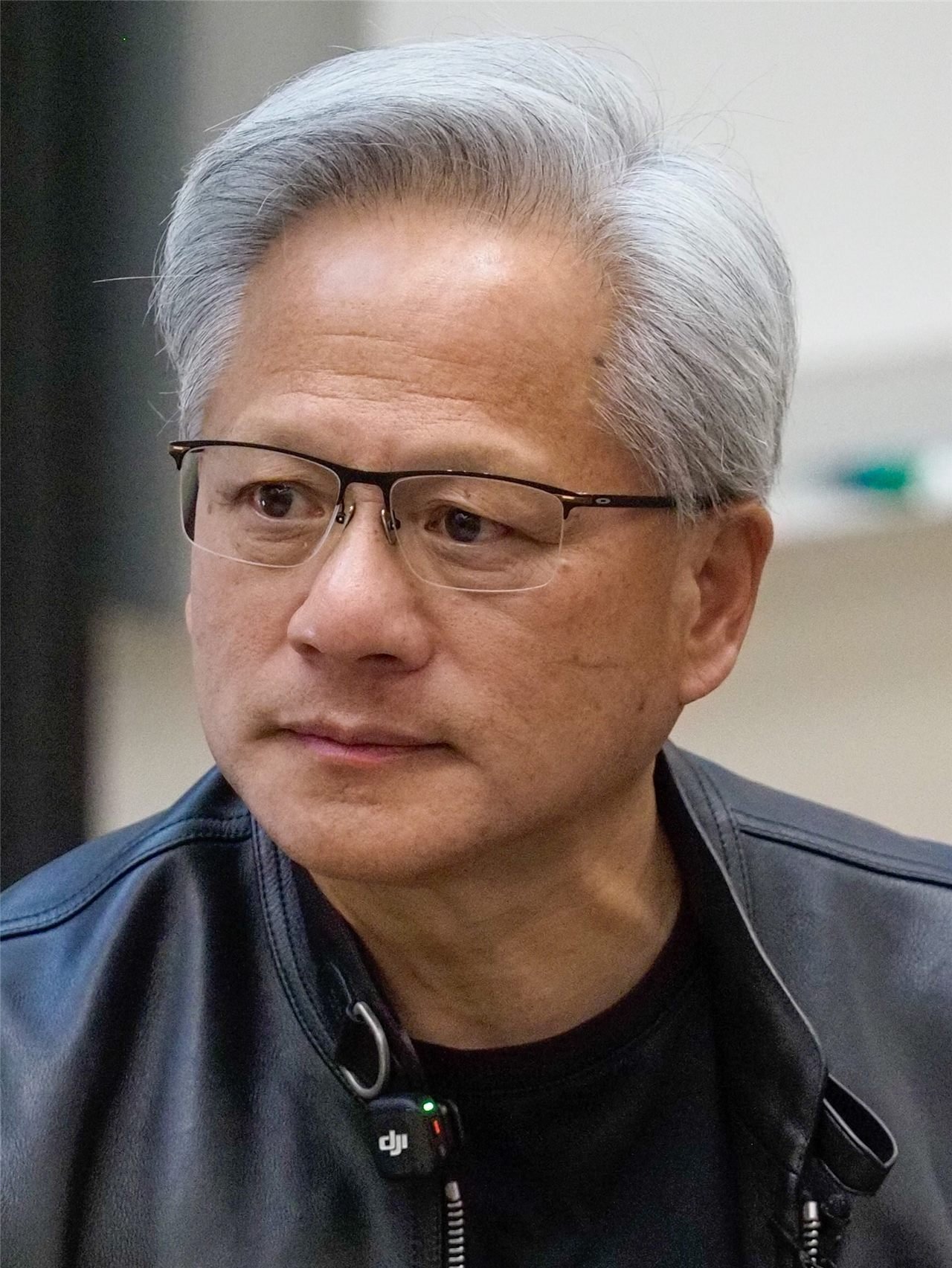
Jensen Huang, co-founder of Nvidia and the chief executive of the world’s most valuable AI chipmaker, resigned on Thursday, Nov. 12, days after admitting to an affair and as the company’s board investigates whether he was targeted by a foreign intelligence effort, according to NBC News and CNBC. Nvidia’s stock has fallen sharply, and investors and analysts are now weighing what the departure means for the company and the wider AI industry.
What happened
The Financial Times reported over the weekend of Nov. 7-8 that Huang had a relationship with a businesswoman who was linked to Megaspeed, an Nvidia customer. Megaspeed has been accused of helping restricted Chinese companies obtain Nvidia AI chips, and Nvidia representatives told CNBC the firm had already been investigated for evading export controls. The New York Times and the Financial Times reported that U.S. intelligence agencies are concerned the woman passed information to Beijing, and NBC News cited a source who said intelligence agencies believe she spied for China. NBC News has not independently confirmed that claim, and no source reviewed for this article reports that she has been charged. She has not publicly responded in the coverage reviewed here.
In an email to staff on Sunday, Huang admitted the affair. CNBC quoted him as writing, “I was unfaithful to my wife,” and “I am deeply sorry.” He also said he was “proud and grateful” to be an American. The company’s board said it had no reason to believe national security or Nvidia’s trade secrets were compromised, but that its inquiry would review all available information. Huang has not been reported to have commented publicly on the espionage allegation itself.
On Nov. 10, NBC News reported, the board hired Joon H. Kim, a former acting U.S. attorney for the Southern District of New York, and the law firm Wachtell, Lipton, Rosen & Katz to run an independent investigation. President Donald Trump said the FBI is also looking into the events, and told reporters Huang “had absolutely no idea” the woman was a spy, NBC reported. Neither the scope nor the timeline of those inquiries has been made public.
Two days later Huang resigned, effective immediately. Colette Kress, Nvidia’s chief financial officer, will serve as interim CEO, CNBC reported. Nvidia has not announced a permanent successor, and NBC News said the company has no formal succession plan.
More reports, few confirmations
CNBC reported that The New York Times separately described a relationship with another Nvidia executive, and that Reuters reported a further affair with an unnamed employee. These reports remain unconfirmed by the company in the articles reviewed. CNBC said Nvidia did not immediately respond to its request for comment on the latest developments.
The New York Times also reported that Secretary of State Marco Rubio twice warned Trump about Huang’s ties to Chinese intelligence, according to NBC News, which said it has not confirmed that report and had asked the State Department for comment.
Why it matters
Nvidia’s chips power most advanced artificial-intelligence systems, and Huang was the public face of the industry’s boom. Shares dropped as much as 16% on Thursday before closing about 4% lower, according to NBC News and CNBC. On Friday the stock fell another 2%, and CNBC reported Nvidia’s market value closed below $4 trillion for the first time since July 2025. The shares fell nearly 13% over the week, their sixth straight weekly decline, the longest such streak since 2012, CNBC said.
Analysts quoted by CNBC said the loss of Huang could cost Nvidia a large part of its value. Stephane Houri of ODDO BHF, a brokerage, said the AI industry’s architecture “really depended on the vision” of Huang. NBC News reported that JPMorgan said the risk of tighter limits on chip shipments to China has risen. The reverberations also reached Nvidia’s customers: NBC noted that Anthropic, which relies heavily on Nvidia chips, is preparing a large IPO, and that cloud-computing firms Nebius and CoreWeave fell on Thursday.
What comes next
Nvidia is due to report third-quarter earnings on Tuesday, Nov. 17, according to CNBC, and Kress and the board are likely to face questions about leadership. Three House Republican committee chairs have requested a closed-door briefing with Huang on Nov. 18, CNBC reported, though it is unclear whether that will go ahead after his resignation. Nvidia also plans a major conference in Washington, D.C., at the end of the month.
What is not yet known: the findings of the board and FBI inquiries, whether any charges will follow, whether Huang was in fact targeted by a foreign intelligence service, and who will lead Nvidia permanently. Commentary such as Stratechery’s analysis of the fallout has argued it poses a threat to Nvidia’s position in AI and to its financing arrangements with its cloud customers; those are interpretations, not established facts.