Paraguay Ousts President Peña, Places Him Under House Arrest
Paraguay's Senate removed President Santiago Peña over the collapse of Ueno Bank, and prosecutors placed him under house arrest. He denies wrongdoing.
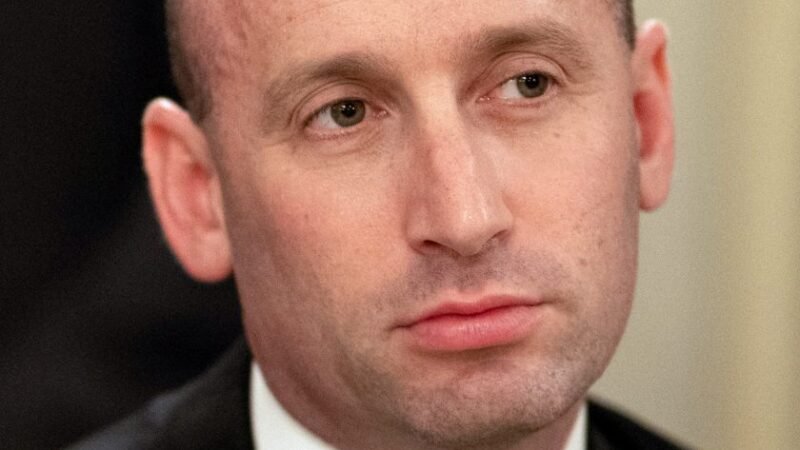
Paraguay’s Senate voted Friday to remove President Santiago Peña from office over his alleged role in the collapse of Ueno Bank, a fast-growing digital lender, and prosecutors placed him under house arrest hours later, the Associated Press reported. All 44 senators present backed his removal for misconduct in office, a day after the lower house of Congress voted unanimously to impeach him. Peña, who has led the South American country since 2023, denies wrongdoing.
Vice President Pedro Alliana was sworn in as president on Friday and is set to serve out the term, which ends in August 2028, according to the AP. Alliana is himself under investigation in connection with the bank, the AP said.
What happened
Regulators seized Ueno before dawn on Tuesday, Nov. 3, cutting customers off from their cash, savings and cards. Paraguay’s central bank said the lender had fallen below the legal solvency ratio and that, once its books were corrected, its capital stood at less than half the legal minimum, Al Jazeera reported.
Peña tried to resign on Thursday. In a recorded address cited by Al Jazeera, he said he was stepping down with “the stability of our country, social peace and the need to preserve our democratic institutions in mind.” Congress refused to accept the resignation. A joint session called to consider it lost its quorum after lawmakers from Peña’s own Colorado Party walked out, and the Chamber of Deputies, the lower house, then voted 78-0 to impeach him.
The distinction carried legal weight. Paraguayan presidents who leave office normally become senators for life with legal immunity, Al Jazeera noted, but that status is not granted to a president convicted in an impeachment trial. Had his resignation been accepted, Peña would have kept that protection, the AP reported.
Later Friday, prosecutors placed him under house arrest at one of his homes in the capital, Asunción, on suspicion of breach of trust, influence peddling and using public office for personal gain. The most serious of those offenses carry up to 10 years in prison, according to the AP, which said he was due to appear before prosecutors on Saturday morning. Bloomberg reported that he was later moved to the presidential escort regiment as protests grew outside his residence.
The allegations
Lawmakers accuse Peña of steering hundreds of millions of dollars in public money into Ueno and allowing regulators to overlook risky lending to insiders. The impeachment charges, as described by the AP, include:
- His former stake in Ueno’s holding company, Grupo Vázquez, which he says he sold in 2025 under pressure;
- His 2023 appointment of Carlos Carvallo, who had run the finance company that later became Ueno, as head of the central bank;
- Allowing the state pension fund to deposit $355 million at the bank, beyond legal limits.
Al Jazeera reported that Carvallo has resigned from the central bank, and the AP said prosecutors have ordered his arrest, though it was unclear whether he was in custody. Prosecutors have also charged 27 people, including Ueno founder and former chief executive Miguel Vázquez, with crimes such as breach of trust and attempted fraud. A judge ordered six former directors, among them Vázquez, held in pretrial detention, according to the AP. Ueno has not made a public statement, Al Jazeera said.
Peña has said he will cooperate with investigators. In a farewell message reported by the AP, he wrote that he did not want his presence to cause greater division or instability.
Why it matters
Ueno had grown into one of the most widely used financial institutions in a country of about 6.5 million people. Al Jazeera reported that it claimed roughly 3 million customers and managed close to $850 million in public funds; the AP said it signed up more than two-thirds of Paraguay’s adults, including over 1 million first-time account holders, by courting low-income and unbanked customers.
The fallout has spread across the economy. Some depositors began recovering funds Thursday, starting with balances of up to 10 million guaraníes, or about $1,500. Deposits are insured up to roughly $35,000, which the central bank says covers 97% of Ueno’s customers; it has described the collapse as an isolated case. Still, the AP reported that a ride-hailing app dependent on Ueno shut down, leaving 3,000 drivers without work, and that the state power company has $21 million in development loans trapped at the bank. Paraguay’s bonds posted some of the worst losses among emerging markets this week, and the guaraní weakened against the dollar.
The political backdrop
Peña, a former International Monetary Fund economist, rose under the patronage of Horacio Cartes, a tobacco businessman, former president and leader of the governing Colorado Party. Analysts quoted by the AP said Peña later sought to build his own power base, with Ueno as a key pillar. In September, senators loyal to Cartes began questioning the central bank about the lender’s lending to related companies.
Cartes said the party would not support “the theft of public, private and pension funds” and backed impeachment, Al Jazeera reported. Andrew Nickson, a Paraguay specialist at the University of Birmingham, told the AP that Cartes “put the nail in the coffin,” leaving Peña with no political base.
Peña is the second Paraguayan president removed by impeachment since the end of Gen. Alfredo Stroessner’s 35-year dictatorship in 1989. Crowds of depositors, retirees and students outside Congress celebrated the vote, chanting “Dictatorship never again!” Paraguay’s attorney general has ordered three criminal investigations into the oversight of Ueno and the placement of public funds there, and the central bank has voted to transfer the lender’s remaining funds to other institutions.