Reinstated Nvidia CEO Jensen Huang Faces Congress Over Megaspeed Ties
Days after Nvidia's board restored him as CEO, Jensen Huang heads to Capitol Hill to answer questions about chip exports and a suspected smuggler.
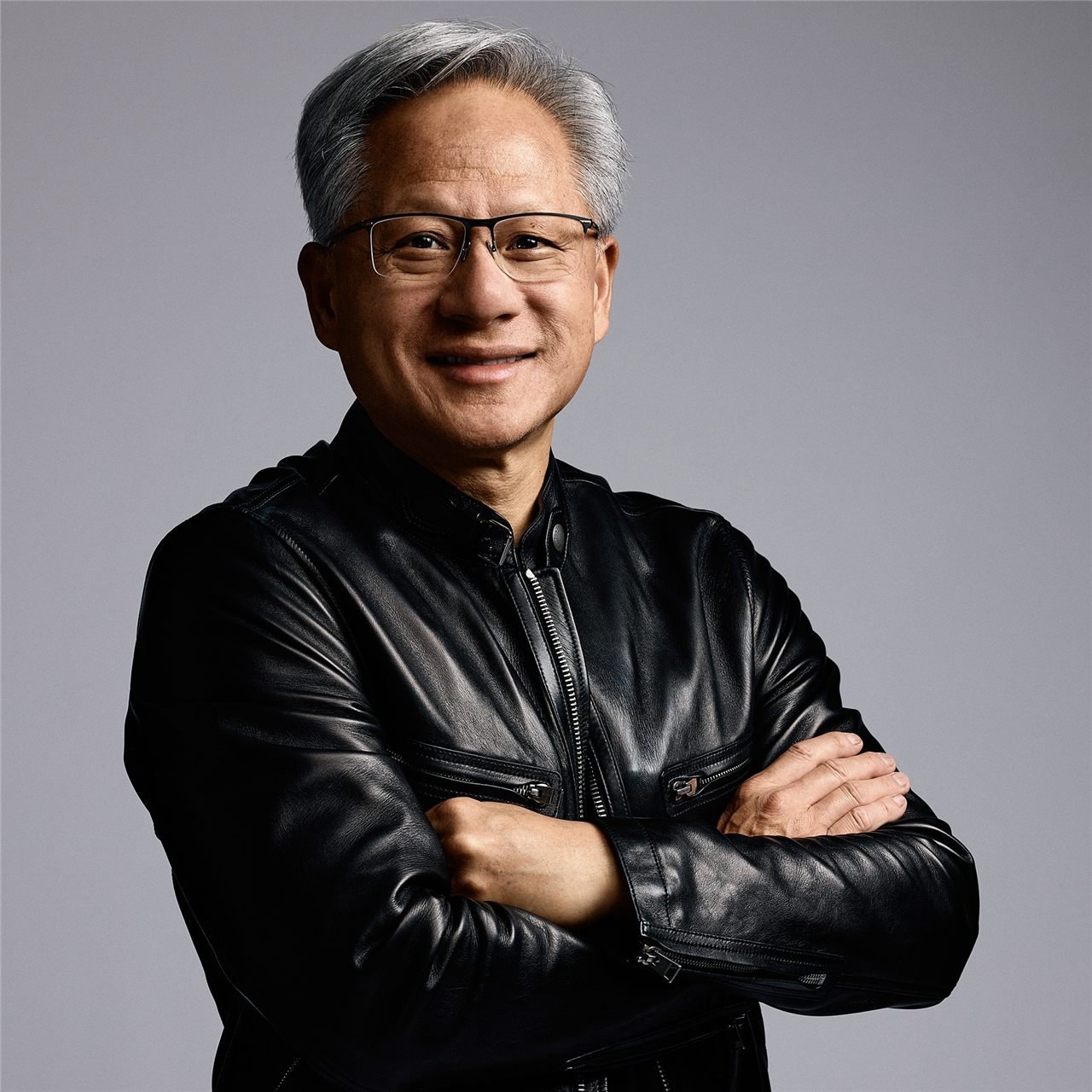
Jensen Huang, the co-founder of Nvidia who was restored as the chipmaker’s chief executive this week less than two weeks after resigning, now faces a week of questioning in Washington. Lawmakers plan to press him on chip exports to China and on his company’s dealings with Megaspeed International, a Singapore-based customer that U.S. investigators suspect of diverting advanced processors to China.
According to market commentary from IG published Friday, Huang is set for a closed-door interview with three House committees on Dec. 1. A public hearing before the Senate Banking Committee follows on Dec. 3. The appearances come at a shaky time for Nvidia shares and for the broader trade in artificial intelligence stocks.
What happened
Huang stepped down on Nov. 12 after admitting he had been unfaithful to his wife, CNBC reported. The relationship was with a former Megaspeed executive, and some critics have alleged that she worked for Chinese intelligence. CNBC said Huang resigned days after the admission, as Nvidia’s board ran an independent investigation and national-security concerns drew wider scrutiny.
The espionage claim remains unproven. IG’s analysis, citing the latest public reporting, said the FBI has assessed that U.S. intelligence does not show the woman to be an officer or asset of Chinese intelligence. It added that the CIA has left open the possibility that new evidence could emerge. Megaspeed itself is the subject of separate U.S. probes into suspected smuggling of advanced chips into China.
Nvidia’s board then reversed course and put Huang back in charge. IG dated the reinstatement Nov. 24, while CNBC tied it to a 31% jump in Nvidia shares on Monday, Nov. 23. IG also reported that the Justice Department did not open a formal investigation into Huang before he returned. Instead, Attorney General Todd Blanche concluded there was no evidence of wrongdoing, drawing on ongoing probes into Megaspeed and the server maker Super Micro Computer.
The hearings ahead
Tim Scott, the South Carolina Republican who chairs the Senate Banking Committee, said on CNBC’s “Squawk Box” on Nov. 18 that both Huang and Howard Lutnick, the U.S. commerce secretary, had agreed to testify. Scott had pushed for a public hearing rather than a private session. His committee initially asked for Huang on Dec. 3 and Lutnick on Dec. 10, but at the time a committee spokesperson had not confirmed final dates.
The House schedule is crowded too:
- Dec. 1: Huang sits for a joint transcribed interview with the House Foreign Affairs Committee, the House select committee on China and the House intelligence committee. Brian Mast, the Florida Republican who chairs Foreign Affairs, said each panel’s top Republican and Democrat would likely lead it.
- Dec. 2: Tim Teter, Nvidia’s general counsel, is scheduled to appear before the same panels.
- Separately: the House Energy and Commerce Committee asked Colette Kress, who served as Nvidia’s interim CEO during Huang’s absence, for a briefing by Dec. 2 on chip exports and the relationship.
Lawmakers are also looking at why Megaspeed was not blacklisted sooner. Scott said officials were warned as early as March that the company belonged on the Commerce Department’s “entity list,” a roster of foreign firms barred from receiving U.S. technology without a license. “Howard didn’t do it, we want to know why,” Scott said. Treasury Secretary Scott Bessent noted on CNBC that his department had long backed restrictions on Megaspeed. Commerce added Megaspeed to the trade blacklist on Nov. 24, CNBC reported.
Why it matters
Nvidia makes most of the processors used to train and run AI systems, so the turmoil has rippled across markets. CNBC reported that Nvidia lost more than $1 trillion in market value during the episode and then regained just under $1 trillion. The shares closed Wednesday at $149.30, giving the company a value of about $3.6 trillion. That is roughly $2 trillion below its October peak.
Analysts quoted by CNBC were cautious. Kyle Rodda, an analyst at Capital.com, said the reinstatement was a boost for markets but “does not assuage every risk” facing an industry that may be near the peak of its investment boom. Egor Tolmachev, a senior analyst at Freedom Capital Markets, said he expects Nvidia shares to stay volatile at least until the early December congressional appearances.
Governance concerns persist as well. S&P Global Ratings has placed Nvidia’s AA credit rating on watch for a possible downgrade, saying the long tenure of some board members may have compromised their independence, according to IG. Moody’s has kept its rating unchanged.
What comes next
The hearings could shape legislation. Pending bills cited by IG include the Chip Security Act from Sen. Tom Cotton, an Arkansas Republican, and the Match Act from Sen. Pete Ricketts, a Nebraska Republican. New export rules that took effect Nov. 19 already require licenses for advanced AI chip shipments to Singapore, Malaysia, Thailand, Indonesia and Brazil. Nvidia has told manufacturing partners to pause server shipments to the four Southeast Asian countries while it reviews compliance. Chuck Schumer, the Senate Democratic leader, has accused Huang of shipping advanced chips to China in violation of export law. Huang has not been charged with any crime, and a spokesperson for him declined to comment on the Senate testimony plans, CNBC reported.