UK Tribunal Throws Out £2 Billion PlayStation Store Claim Against Sony
London's Competition Appeal Tribunal dismissed a class action that said Sony overcharged 12.2 million UK PlayStation users for digital games.
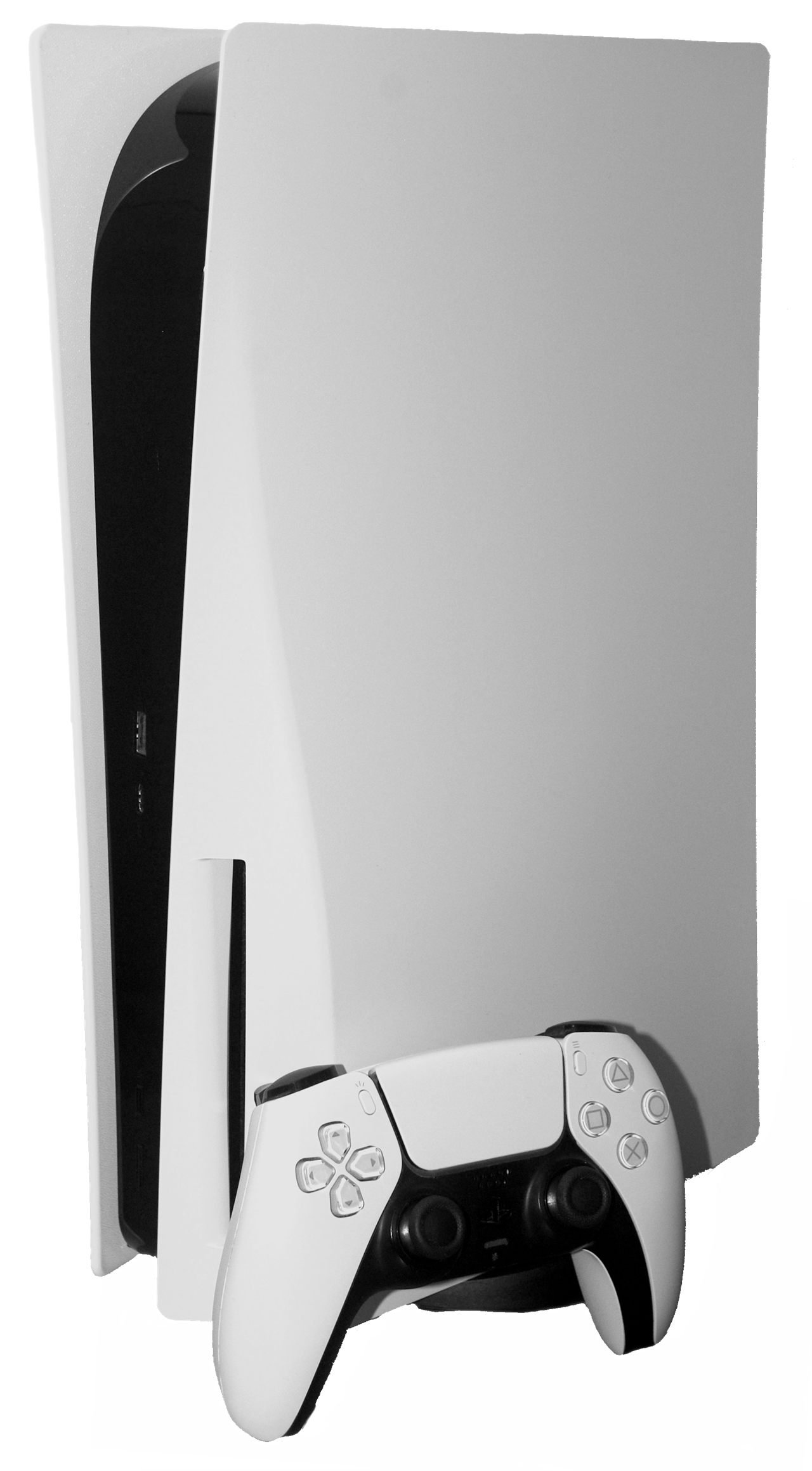
Sony has defeated a class action in London that accused it of overcharging millions of British PlayStation owners for digital games and add-ons. On Tuesday the Competition Appeal Tribunal, the UK court that hears competition cases, threw out the claim in full. The claim was worth almost £2 billion ($2.6 billion), Reuters reported. The tribunal found that the claimants had not shown Sony broke competition law, so the roughly 12.2 million consumers covered by the case will get no compensation from it.
What happened
The case was brought in 2022 by Alex Neill, a consumer rights campaigner, through a company set up to act as class representative for UK PlayStation users. It was an opt-out collective action, meaning eligible consumers were included automatically unless they chose to leave. According to Law News, a UK legal news site, the claim was valued at about £1.971 billion: roughly £1.49 billion in damages plus 8% simple interest a year. Other outlets rounded the figure to £2 billion. Engadget said a payout would have worked out to about £162 ($214) per eligible person.
The claim covered digital purchases on PlayStation consoles from August 2016 in England and Wales, and from August 2017 in Scotland. It argued that Sony abused a dominant position by requiring digital games and add-on content for its consoles to be sold only through its own PlayStation Store. That arrangement, the claimants said, let Sony take a 30% cut of sales and set retail prices with no competition. They alleged that digital prices would have been about 20% lower without that conduct.
The tribunal disagreed. In its judgment, the three-member panel led by Ben Tidswell wrote that the class representative “has failed to establish that Sony has infringed competition law,” Law News reported. Engadget reported that the tribunal called the idea that players were trapped in a closed ecosystem “not credible.” It also found “strong evidence of a willingness of consumers to switch consoles following an increase in games prices.”
Why the tribunal sided with Sony
The ruling turned on how the market should be defined. The claimants argued that digital distribution of PlayStation games was its own market, and that Sony controlled it completely. The tribunal instead looked at the wider set of choices open to players. Reports on the decision highlighted several of them:
- Physical game discs sold by outside retailers, which compete with digital downloads.
- Rival consoles, including Microsoft’s Xbox and Nintendo’s machines.
- Sony’s own internal research, which, according to Engadget, warned the company would lose business if its prices were not competitive with Xbox.
Sony told the tribunal it had “invested years and billions” in building an integrated gaming platform that serves consumers in a competitive market, Reuters reported. It also said Nintendo and Xbox use similar models. Its lawyers argued that its margins were not excessive, and that the claim ignored the company’s costs and brand value. Sony warned that a ruling against it could let outside companies set up rival stores on PlayStation and “free-ride” on its investment. According to Law News, Sony also said it sells consoles at low or even negative profit and earns the money back through games, add-ons and services.
Stephanie Burns, senior vice president and general counsel at Sony Interactive Entertainment, said the decision supports the company’s business model, Reuters reported. Reuters said the claimants’ lawyers did not immediately respond to a request for comment. None of the reports said whether the claimants plan to appeal.
A contrast with the Apple case
The result is a setback for the UK’s growing class action system, which allows a single representative to sue on behalf of millions of consumers. The same tribunal ruled against Apple in October 2025, finding that the 30% commission on App Store sales was an abuse of dominance. Reuters said Apple is seeking to appeal that decision. Law News reported that the Competition and Markets Authority, Britain’s competition regulator, intervened in the Sony case on points of law and said it agreed with the approach taken in the Apple judgment.
Reuters described Sony as the third major tech company to face a class action trial in Britain since the start of 2025. A claim against chipmaker Qualcomm was withdrawn after trial but before a ruling. A trial involving Google’s Play Store began in October.
What comes next
The ruling arrives as Sony changes how it sells games. The tribunal’s judgment noted correspondence about a July 1 announcement by Sony of changes to physical game releases starting in January 2028, Law News reported. Engadget described the change as a plan to phase out physical copies of new PlayStation games. That point stands out because the tribunal relied partly on physical discs as a competitor to the PlayStation Store. Competition from discs could shrink if fewer of them are made. For now, though, the decision leaves Sony’s control of digital sales on its consoles in place in the UK.