ULA Vulcan Rocket Fails, Losing 40 Amazon Leo Satellites
United Launch Alliance's Vulcan rocket failed about 10 minutes into flight Sunday, losing 40 Amazon Leo internet satellites.
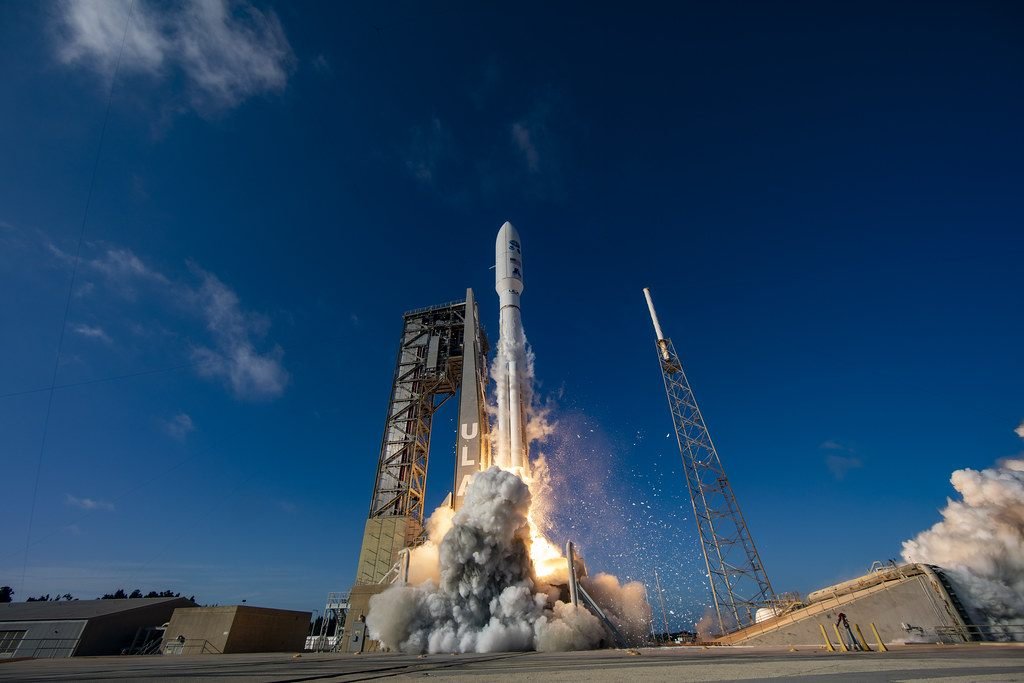
A United Launch Alliance (ULA) Vulcan rocket failed to place 40 Amazon Leo internet satellites into orbit on Sunday, in what multiple outlets described as the company’s first total mission failure. ULA, a joint venture of Lockheed Martin and Boeing, said the vehicle suffered an anomaly roughly 10 minutes after liftoff.
What happened
The Vulcan lifted off from Space Launch Complex 41 at Cape Canaveral Space Force Station in Florida at about 12:40 p.m. ET (1740 GMT), according to Turkey’s Anadolu Agency. About 10 minutes into the flight, the rocket suffered what ULA called an in-flight anomaly, and the payload did not reach low Earth orbit.
GeekWire and Space.com reported that the 40 satellites were lost. Reports indicate the problem occurred during the upper-stage phase of the flight, but ULA has not disclosed a cause, and Anadolu reported the company said it did not yet have specific data on what occurred. Accounts of the exact failure point should be treated as unconfirmed until ULA or investigators release findings.
The mission, known as LV-01, was Vulcan’s first flight in about nine months. It was also the first of 38 Vulcan launches Amazon has purchased, according to reports.
What ULA and Amazon said
ULA said the mission fell short of its standard. “Today, we did not meet that standard,” the company said, according to Anadolu. It pledged transparency and said it would work with Amazon and relevant authorities to find the root cause, put corrective measures in place and resume launches as quickly as possible.
Amazon Leo, the company’s satellite broadband service and a competitor to SpaceX’s Starlink, acknowledged the setback. It noted that risk comes with any spaceflight, particularly first missions on a new rocket, and called ULA a trusted partner it expects to learn from the failure, according to Anadolu.
Why it matters
Amazon has been trying to build out a constellation large enough to compete with Starlink, but its rollout has been slowed by launch availability. Reports say Amazon had put roughly 396 satellites in orbit across 14 missions since April 2025, so the lost batch is a meaningful share of what it has launched so far. GeekWire reported that the failure also disrupts Amazon’s plans for a second Vulcan launch within weeks.
The failure is also a significant blow to ULA. Vulcan has had earlier trouble: a solid rocket booster nozzle problem on a February 2026 flight for the U.S. Space Force led to an extended investigation, and military Vulcan missions had been on hold pending the outcome of this flight, according to ULA’s CEO as cited in earlier reports. Whether Sunday’s failure is related to that earlier issue has not been stated.
What comes next
No revised return-to-flight schedule has been announced. It is not yet known what caused the failure, whether any debris posed a risk, or how long the investigation will take. The impact on Amazon’s launch schedule and on national security missions assigned to Vulcan will depend on those findings. Amazon also relies on other launch providers, though reports note that some of those have faced their own delays.
Neither company has given a timeline for resuming flights. More details are expected as ULA and regulators begin their review.