United Airlines Bars AI Agents From Booking Flights for Travelers
United is restricting third-party AI assistants from buying tickets or managing trips for customers, citing security risks and federal travel rules.
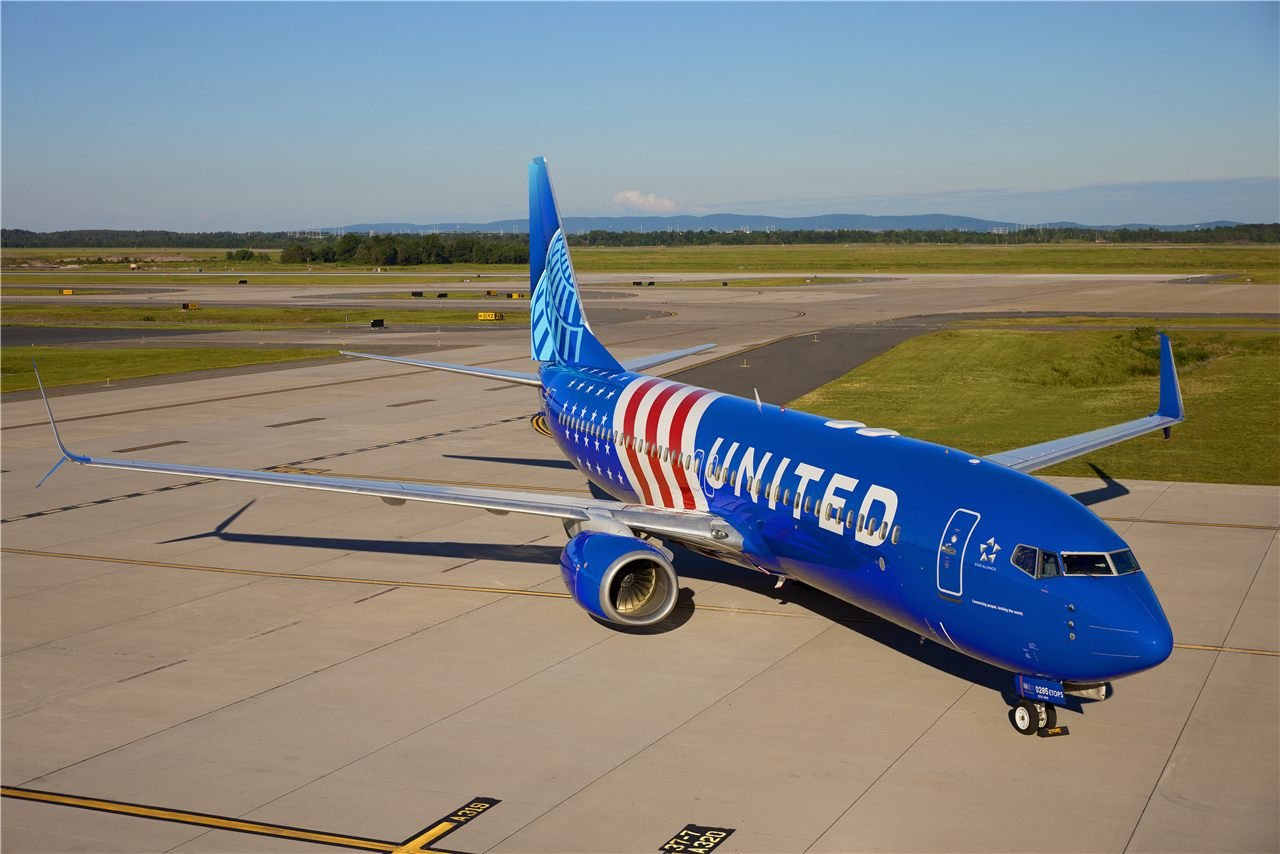
United Airlines is moving to stop artificial intelligence agents from booking flights and managing reservations on behalf of its customers, becoming what the travel industry publication Skift described as the first U.S. airline to explicitly say it will restrict such tools. The Chicago-based carrier announced the policy on Wednesday, Nov. 11, saying it intends to “prohibit use by unauthorized, third-party personal AI agents or assistants,” and pointing to security, privacy and regulatory concerns.
What United changed
The restriction applies both to United’s own website and app and, according to the airline’s statement as reported by CBS News and Skift, “indirectly via travel agencies and aggregators.” United said it is updating its booking and ticketing policies to reflect the rule and will explain the change on its Digital Trust Center, a section of its website devoted to privacy and security.
The travel blog View from the Wing, which reviewed the airline’s revised contract of carriage, the legal terms that govern every ticket, reported that the document dated Nov. 11 adds AI agents to a list of prohibited ticketing practices. The new language bars “the use of AI Agents to make, modify or service a Ticket, and/or to purchase any service or product,” according to the blog. It said the ban applies even when a customer supervises or approves what the software does, and that a separate rule allows United to cancel reservations made or changed by such agents.
The policy does not stop AI tools from showing United’s flights and fares. Several outlets noted that an assistant can still research options and display prices, as long as the traveler completes the purchase. CBS News reported that United fares remain available through search and comparison sites such as Kayak, Hopper and Google Flights.
United’s reasons
In its statement, United laid out several concerns:
- Account security: the airline said that “sharing account credentials with personal, third-party, AI assistants can expose sensitive information.”
- Unwanted transactions: it warned that actions taken by these tools could lead to “unintended purchases, account changes, or use of MileagePlus miles,” referring to its frequent flyer program.
- Federal rules: United said automated activity could conflict with Federal Aviation Administration and Department of Transportation requirements. One example it cited is check-in, where passengers must personally confirm that their bags contain no hazardous or banned materials.
Skift reported that United said it will reevaluate the policy as personal AI assistants evolve.
A question of control
Commentators and analysts suggested business considerations also play a role. Scott Kirby, United’s chief executive, told an audience at an event in Chicago, “I don’t want to create another middleman,” according to remarks reported by The Wall Street Journal and cited by Skift and View from the Wing.
Henry Harteveldt, an aviation analyst at Atmosphere Research Group, told CBS News the move indicates United wants to keep control of how its tickets are sold, and does not want “yet another, and potentially even more powerful, intermediary” added to the search engines, metasearch sites and online travel agencies that already stand between airlines and passengers. He also noted that flight searches cost airlines money, and said United likely wants to avoid paying for a surge in automated AI queries. Harteveldt said he did not expect travelers to have a harder time finding good United fares, though blocking the bots would not make those fares easier to find either.
View from the Wing questioned parts of the airline’s reasoning. It argued that the hazardous-materials rule requires passengers to be notified and to acknowledge restrictions, not to perform every booking step by hand, and that an assistant could simply pause for a required confirmation. The blog also raised doubts about enforcement, noting that a contractual ban is not a technical block, and that an AI-assisted purchase made through a large travel agency could look like an ordinary booking. United, it reported, says its systems can identify where bookings come from.
Where the rest of the industry stands
Airlines are taking different approaches as tech companies race to build AI “agents,” software that can carry out tasks such as shopping and booking travel with limited human input. Skift reported that Ed Bastian, Delta Air Lines’ chief executive, has described himself as “cautious” about AI agents in booking. Southwest Airlines, by contrast, has made its flight inventory available to ChatGPT users through an integration with OpenAI’s chatbot, CBS News reported.
Interest in AI travel tools is rising among technology companies. Skift reported that Meta Platforms chief executive Mark Zuckerberg has called travel a “top use case” for the company’s Muse assistant, and that OpenAI acquired an AI travel agent startup, Odessia, this week.
According to View from the Wing, the airline has said bookings made by AI agents are still rare, meaning the new restriction is unlikely to affect many travelers right away. How strictly United enforces the rule, and whether other carriers follow, may shape how far AI shopping assistants can go in air travel.