Apple’s First Touchscreen MacBook Pro Hits Stores, Starting at $2,899
Apple's first touchscreen, OLED MacBook Pro is now on sale from $2,899, alongside a $1,999 M6 model and a new iMac, reversing years of resistance to touch Macs.
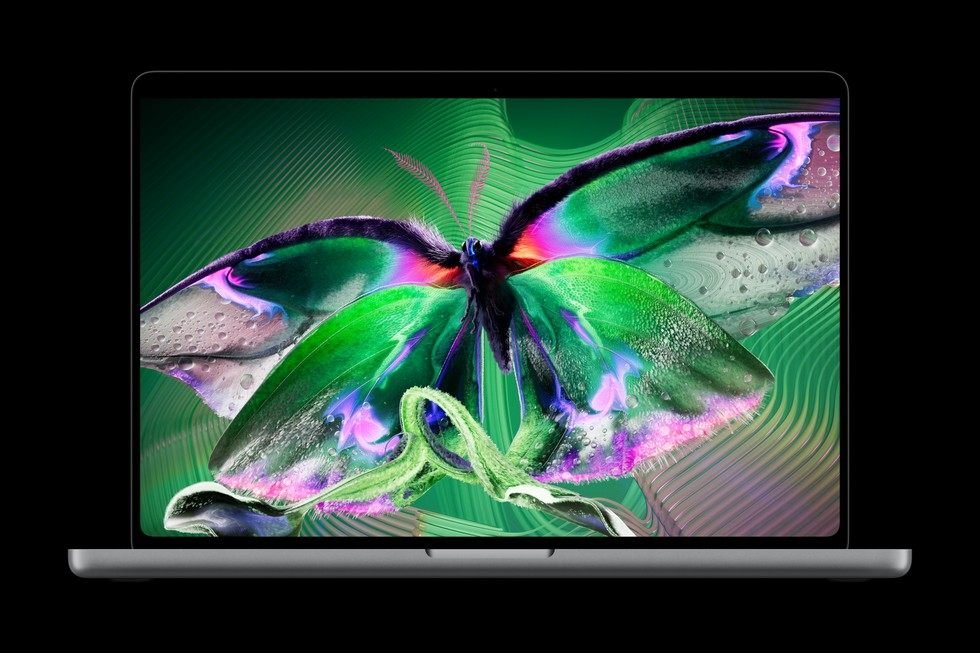
Apple’s first MacBook Pro with a touchscreen is now on sale, ending more than a decade in which the company publicly rejected the idea of a touch-enabled Mac. The new 14-inch and 16-inch models, which also introduce the first OLED display on a Mac, start at $2,899 and $3,399 in the United States, and began shipping and arriving in stores on Nov. 6, alongside a cheaper MacBook Pro and an iMac built on Apple’s new M6 chip.
What Apple is selling
Apple showed the touchscreen laptops at its “Pro and Tell” product event in Los Angeles on Oct. 28, according to coverage by The Next Web and the tech site Mixed News. The machines use a tandem OLED panel, a display type that stacks two light-emitting layers for higher brightness, which Apple has branded PROLED XDR. Mixed News reported that the screens reach a peak brightness of 2,000 nits and refresh at anywhere from 10Hz to 120Hz.
The touch models do not use the newest M6 chip. Instead they run on Apple’s M5 Pro or M5 Max processors. According to Mixed News, the base 14-inch model comes with a 15-core CPU, a 16-core GPU, 24GB of memory and 1TB of storage, while top configurations offer up to 16TB of storage. The laptops also bring the Dynamic Island, the pill-shaped status area first seen on the iPhone, to the Mac for the first time.
Other details reported by the outlets include:
- A weight of about 3 pounds for the 14-inch model, half a pound lighter than before, according to The Next Web, and about 4 pounds for the 16-inch model.
- Three Thunderbolt 5 ports, plus HDMI, an SD card slot, MagSafe 3 charging and a headphone jack.
- Wi-Fi 7 and Bluetooth 6 wireless connections.
- A macOS update that turns taps into clicks, so many existing apps work by touch right away, with dedicated touch versions of Microsoft Office, Adobe Lightroom and DaVinci Resolve due later this year, Mixed News reported.
The touchscreen option comes at a premium. Bloomberg News had reported before the event that the 14-inch OLED model would cost about $400 more than the previous version with the same chip.
A cheaper M6 model and a new iMac
A day before the event, on Oct. 27, Apple announced a 14-inch MacBook Pro with the M6 chip that keeps the existing non-touch Liquid Retina XDR screen and starts at $1,999, Reuters and TechCrunch reported. Apple says the M6 delivers up to 30% faster graphics and up to 25% faster AI processing than the M5, and that the laptop runs up to 24 hours on a charge, which Reuters noted Apple describes as the longest battery life ever in a Mac.
TechCrunch reported that the M6 has a 12-core CPU and a 12-core GPU, and that the laptop starts with 16GB of memory, configurable up to 32GB. Apple also refreshed its all-in-one iMac with the M6, starting at $1,499 in seven colors, and claims it runs on-device AI tasks up to five times faster than the M4 model it replaces. Reuters said preorders for both M6 machines opened in 35 countries and regions. All of the performance figures are Apple’s own claims and have not been independently verified in the reports.
Why it matters
The touchscreen MacBook Pro marks a sharp reversal for Apple. As The Next Web recounted, co-founder Steve Jobs once called touchscreen laptops “ergonomically terrible,” and former chief executive Tim Cook likened merging a laptop and a tablet to combining a refrigerator and a toaster. Jony Ive, Apple’s former design chief, said in 2016 that a touch Mac would not be useful.
According to The Next Web, the new laptops were presented on stage by John Ternus, who succeeded Cook as Apple’s chief executive last month. Bloomberg reported that Cook and Ternus began backing the project about four years ago as a way to revive Mac sales and to charge more for premium features.
What comes next
The touch models reach buyers at the start of the holiday shopping season, together with a new iPad mini with an OLED screen that Apple announced on Oct. 26. How well the higher-priced machines sell, and how quickly major software makers adapt their apps for touch, will show whether Apple’s change of course pays off.