Bavarian Deputy Leader Hubert Aiwanger Found Dead in Berlin Hotel
Hubert Aiwanger, Bavaria's economy minister and Free Voters leader, was found dead at 55 in a Berlin hotel. Police have opened a death investigation.
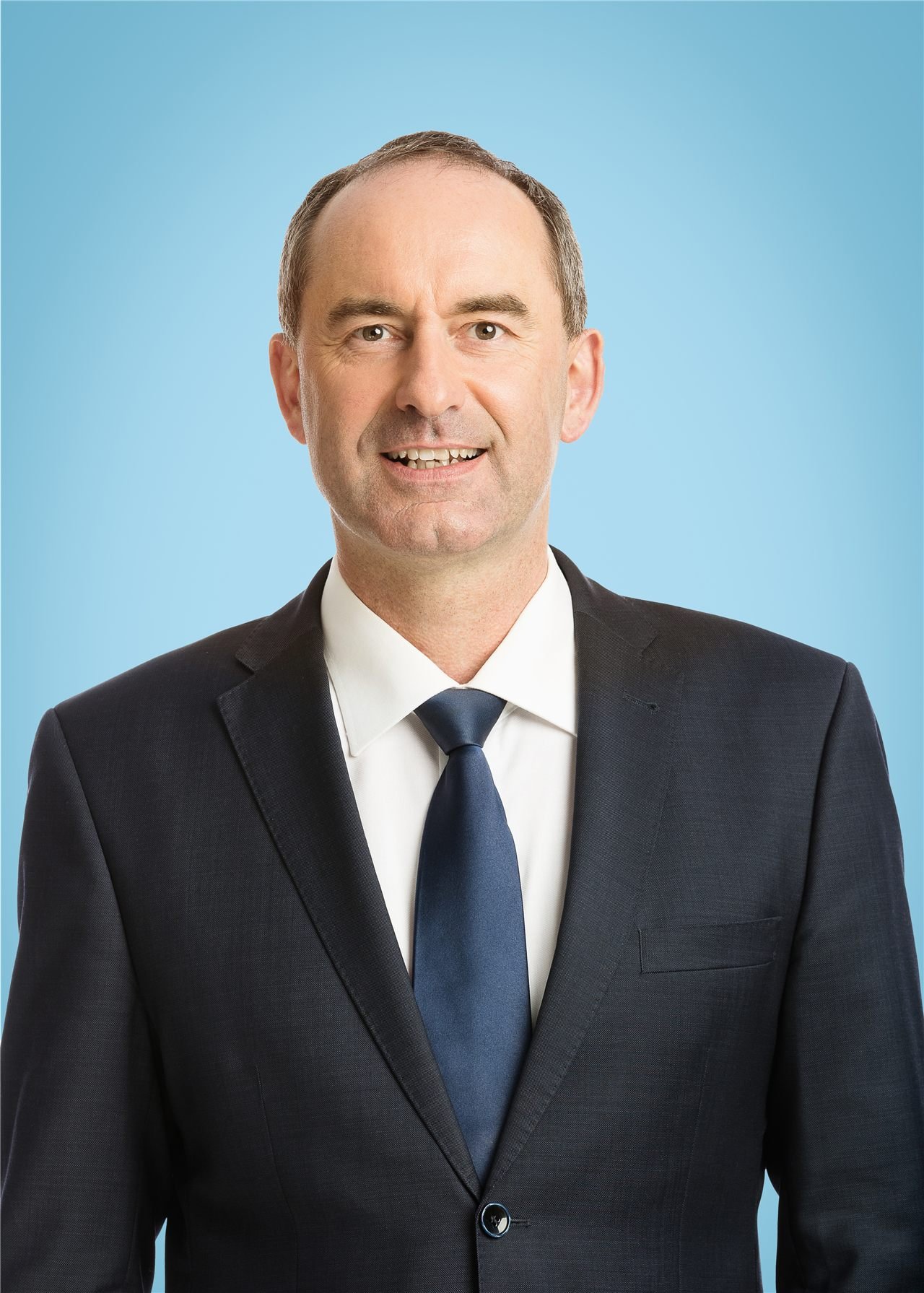
Hubert Aiwanger, Bavaria’s economy minister and deputy head of its state government, was found dead on Wednesday evening in a Berlin hotel room, German media reported. He was 55. Aiwanger also chaired the Free Voters, a conservative-populist party that governs the southern German state together with the Christian Social Union (CSU). According to Germany’s public broadcaster ZDF, Berlin police and prosecutors have opened a death investigation, and the cause of his death has not been made public.
What happened
ZDF, citing police, reported that Aiwanger was discovered in the early evening in his room at the Hotel Neuer Fritz in the Mitte district of central Berlin, close to Friedrichstraße and the Spree River. The Berliner Zeitung newspaper said the death had been confirmed by sources among investigators. Susann Enders, general secretary of the Free Voters, also confirmed his death, according to ZDF.
The Berlin prosecutor’s office and a homicide unit of the Berlin State Criminal Police Office are handling the inquiry. Police said its purpose is to establish the exact cause and sequence of events leading to his death and to rule out the involvement of anyone else. That kind of investigation is routine in Germany when a death is sudden or unexplained. Officials have not suggested foul play.
The day had been meant as a milestone for his party. The Free Voters were opening a new national headquarters in Berlin, and Aiwanger was scheduled to speak. He did not show up. Bavaria’s digital minister went in his place, ZDF reported. According to ZDF, a new party official told attendees that Aiwanger was ill with a stomach and intestinal complaint. The German tabloid Bild, cited by both ZDF and the Berliner Zeitung, reported that he had felt unwell, stayed at the hotel, became unreachable and was later found lifeless.
The Berliner Zeitung noted that his last public activity was a post on X on Tuesday evening. In it, he responded to Halloween riots in Hamburg by calling for police and the courts to take a tougher line.
Reactions across the political spectrum
Tributes came from both allies and opponents. Markus Söder, Bavaria’s minister-president and leader of the CSU, wrote on X that the sudden death was “an absolute tragedy,” and added that everyone was deeply shocked, according to ZDF and the Berliner Zeitung. The two men had governed together in a coalition since 2018.
Cem Özdemir, the Green Party minister-president of neighboring Baden-Württemberg, described Aiwanger on X as a politician who had rough edges and fought for his convictions, ZDF reported. Other messages collected by the Berliner Zeitung included:
- Karin Prien, Germany’s federal education minister from the Christian Democratic Union (CDU), wrote: “Too early. Thoughts with the family.”
- Alexander Hoffmann, who leads the CSU’s lawmakers in the federal parliament, told the dpa news agency that Aiwanger had been a dedicated politician who shaped Bavaria.
- Wolfgang Kubicki, a former deputy federal chair of the liberal Free Democratic Party (FDP), said Aiwanger’s voice and personality would be missed in German politics.
- Matthias Berger, a Saxon state lawmaker who had clashed with Aiwanger over the party’s refusal to cooperate with the far-right Alternative for Germany (AfD), said he regretted the death regardless of their political differences.
Who Aiwanger was
Aiwanger was born in January 1971 in Ergoldsbach, in the rural region of Lower Bavaria, and trained in agricultural science. He took over the Bavarian Free Voters in 2006 and led the party nationally from 2010, according to the Berliner Zeitung. He entered the Bavarian state parliament in 2008 and led the party’s group there until 2018, when the Free Voters joined Söder’s government. From November 2018 he served as minister for economic affairs, regional development and energy, and as deputy minister-president.
His folksy, combative style made him one of Germany’s best-known regional politicians, and also one of its most controversial. In 2023, reports surfaced about an antisemitic leaflet dating from his school days. Aiwanger apologized and denied writing it, and his brother later said he was the author. Aiwanger refused to resign, and Söder chose to keep him in the cabinet, a decision that drew criticism at the time.
Under his leadership the Free Voters grew into a major force in Bavaria. In the spring 2026 local elections they took several district leadership posts from the CSU, the Berliner Zeitung reported. His larger goal, getting the party into the federal parliament (the Bundestag), was never achieved. The new Berlin headquarters was part of that effort.
What comes next
The police investigation is meant to establish how Aiwanger died. Authorities had not released any findings by late Wednesday. His death leaves a leadership gap in the Free Voters, a party closely identified with him for nearly two decades. Söder’s government will also need a new economy minister and a new deputy. According to dpa, as cited by the Berliner Zeitung, Aiwanger is survived by two children. He lived with his partner Tanja Schweiger, a Free Voters politician and district administrator.