Netanyahu’s Likud Claims Arab Parties ‘Stole’ Israel’s Deadlocked Vote
With neither bloc near a majority and Arab-led parties at a record 19 seats, Likud alleges fraud. Police and election officials have pushed back.
Israeli Prime Minister Benjamin Netanyahu’s Likud party has accused Arab-led parties of “stealing” this week’s parliamentary election and demanded investigations by the police and the Shin Bet, Israel’s domestic security service. With nearly all ballots counted, Netanyahu’s right-wing and religious bloc has fallen well short of a governing majority, and Arab-led parties are on track for their strongest result ever. The allegations have not been independently verified. Local leaders, police and opposition figures have pushed back, and the dispute threatens to overshadow coalition talks that could stretch on for weeks.
What happened
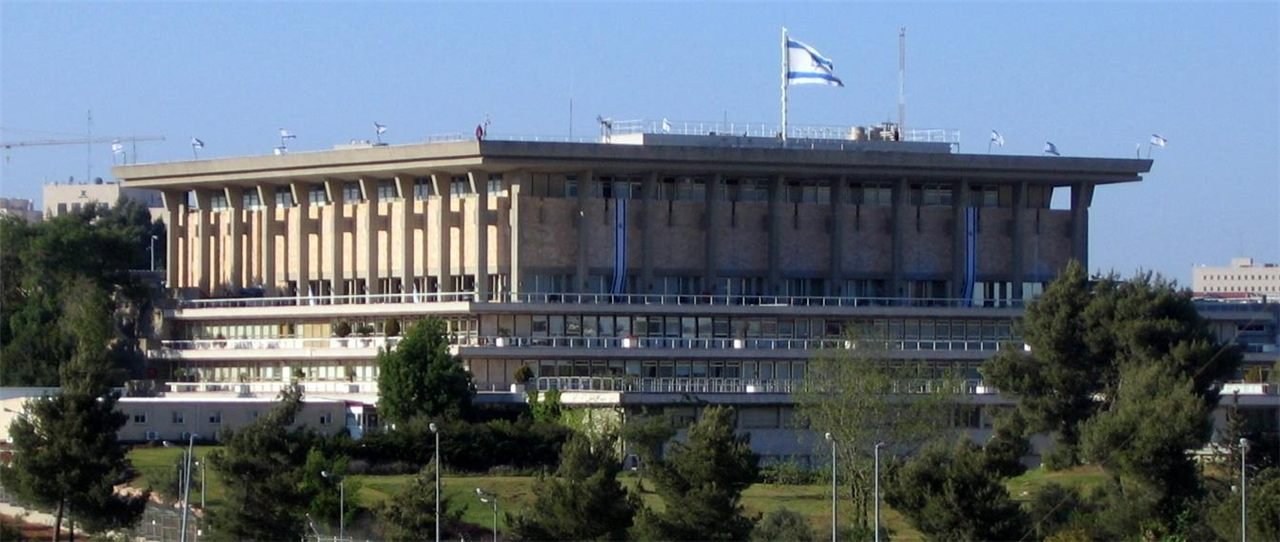
Israelis voted on Tuesday, Oct. 27, in the country’s first general election since the Hamas-led attack of Oct. 7, 2023, and the war in Gaza that followed. With 99.9% of ballots counted, the Central Elections Committee put Netanyahu’s bloc at 53 seats in the 120-seat Knesset, Israel’s parliament, according to the Times of Israel. A government needs 61. The bloc led by Gadi Eisenkot, a former military chief of staff who heads the Yashar party, had 48 seats.
The two Arab-led parties, the Joint List and Ra’am, together won 19 seats, a record and almost double the 10 they hold now. Turnout reached 77.7%, the highest in more than two decades, according to a report by RTÉ that drew on AFP and Reuters. Final official results are not expected before Nov. 4, and party-level numbers moved as the count went on. Earlier partial tallies reported by Ynet gave the Joint List 13 seats and Ra’am 6. By the near-complete count reported by the Times of Israel, the split was 11 and 8.
Likud’s allegations and the response
In a statement Netanyahu shared online, Likud said the election had been “stolen by Arab parties” through bribery, threats, violence, forgery and banned software used to get voters to the polls. The party said it was giving authorities hundreds of testimonies. According to the Jerusalem Post and the Times of Israel, the claims include envelopes of cash found with Ra’am ballot slips, intimidation of polling-station staff, several people entering voting booths together and mismatches between envelope counts and registered voters. On election day, Netanyahu said Ra’am was “trying to steal the election,” pointing to reports of arrests of people carrying cash, RTÉ reported.
The Jerusalem Post noted that no public evidence shows Arab parties systematically manipulated the outcome. The Central Elections Committee said it was reviewing Likud’s complaints as part of its routine integrity checks, and the Times of Israel reported that police had found no basis for the claims. Talal al-Krenawi, mayor of the Bedouin city of Rahat, called the accusations lies and incitement against his community, the Jerusalem Post reported, citing an interview with the Israeli news site Walla.
Eisenkot said Netanyahu was now a caretaker prime minister without a mandate, and he warned him: “do not dare use Israel’s security for your political needs.” Defense Minister Israel Katz, a Likud member, called those remarks “an anti-democratic statement detached from reality,” according to RTÉ.
Why it matters
The result leaves Arab-led parties as possible kingmakers, which is unusual in Israeli politics. Most Jewish parties have long refused to rely on them in government. According to the Times of Israel, every party in Eisenkot’s camp except The Democrats, led by Yair Golan, has ruled out working with Ra’am or the Joint List. Golan has urged his partners to drop those pledges.
The Arab-led parties themselves are split. Yousef Jabareen, chairman of the Joint List, said his party would not join a government under current conditions, citing the war in Gaza and West Bank settlements. He did leave room to back a minority government from outside. Mansour Abbas, leader of the Islamist party Ra’am, said he would join an Eisenkot-led coalition, according to RTÉ. Markets reacted badly to the uncertainty: the shekel fell about 1.6% and Tel Aviv’s main stock indexes dropped more than 3%, RTÉ reported.
What comes next
- The Central Elections Committee is checking ballots cast by soldiers, diplomats and others before it publishes final results.
- President Isaac Herzog will choose which leader gets the first chance to form a government. He has urged parties to keep an “open mind” and avoid another election.
- Netanyahu stays on as caretaker prime minister while coalition talks go on. He has said he will stick with his far-right partners, Itamar Ben-Gvir and Bezalel Smotrich.
Neither camp has a clear path to 61 seats, so Israel could face weeks of bargaining. That could end in a minority government or, as Herzog has warned against, yet another election.