Bay Area Voters Approve Transit Taxes to Avert BART and Muni Cuts
Voters backed a regional sales tax and a San Francisco parcel tax expected to raise more than $1 billion a year for BART, Muni and other transit systems.
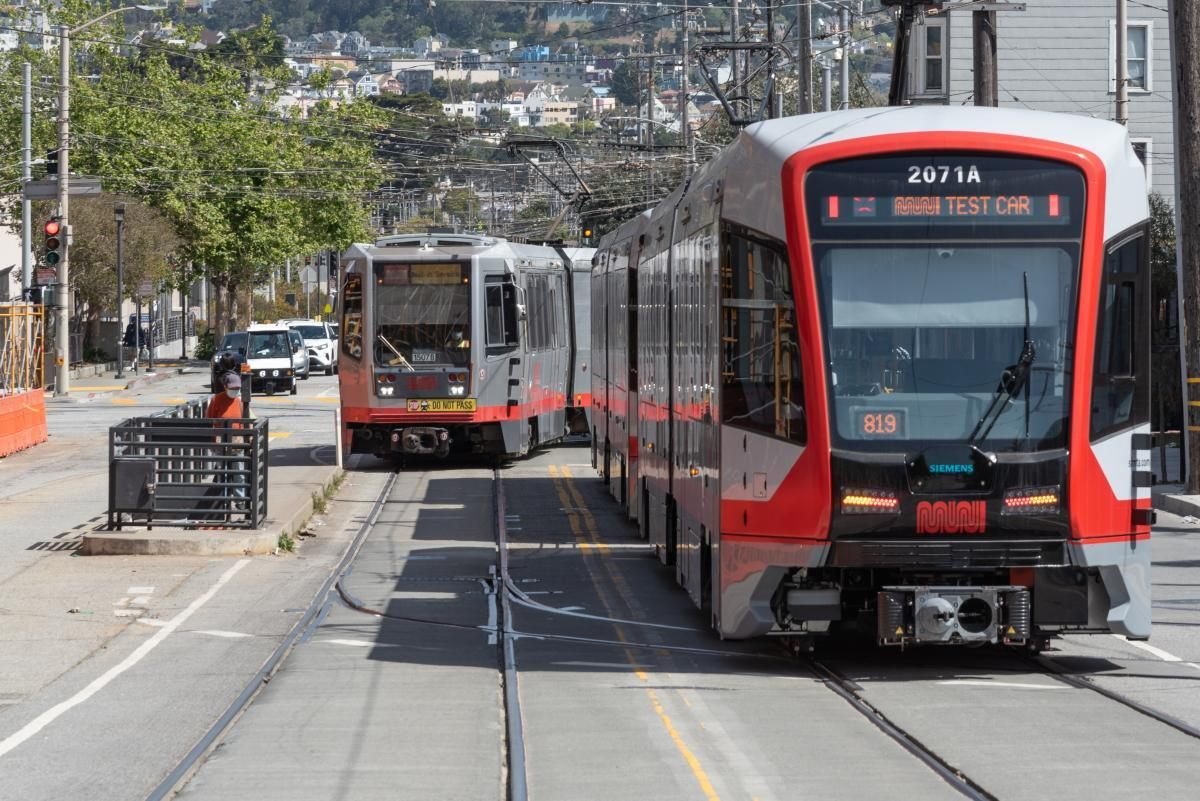
Voters in the San Francisco Bay Area have approved two tax measures meant to rescue the region’s struggling public transit systems, heading off threatened station closures, route cuts and early shutdowns at agencies including Bay Area Rapid Transit (BART) and San Francisco’s Muni. Early returns from the Nov. 3 election showed both measures winning comfortably. The results are still unofficial, but supporters have declared victory.
What voters approved
The larger of the two, Measure RTM, is a 14-year regional sales tax covering Alameda, Contra Costa, San Francisco, San Mateo and Santa Clara counties. It adds half a percentage point to the sales tax in four of those counties and a full percentage point in San Francisco. KQED, the Bay Area public broadcaster, reported that initial results updated on Nov. 6 showed the measure at about 61.5% yes. Mission Local, a San Francisco news site, put the combined five-county margin at about 62%, with more than 78% support in San Francisco alone.
The tax is expected to raise close to $1 billion a year. According to both outlets, the money would keep current service running at BART, Muni, AC Transit (the main bus operator in the East Bay), the Caltrain commuter rail line and other agencies, including San Francisco Bay Ferry. KQED reported that it would also pay for fare discounts, accessibility improvements and better signs for riders.
The second measure, San Francisco’s Proposition H, is a 15-year parcel tax on residential and commercial property dedicated to Muni, the city’s bus, light-rail and cable car network. Early returns showed it winning about 72% of the vote. Mission Local reported that rates start at $129 a year for a single-family home, $249 for a multifamily property and $799 for a commercial property, with higher amounts for larger parcels. Revenue estimates differ slightly between the two outlets: KQED cited about $184 million a year, while Mission Local reported $177 million.
Why it matters
Bay Area transit agencies have been under financial strain since the COVID-19 pandemic emptied trains and buses and remote work kept many commuters at home. Federal emergency aid and state help kept service going, but that money was running out. KQED reported that the agencies had warned of deep cuts if both measures failed:
- BART said it could close up to 15 stations and end service at 9 p.m.
- Caltrain warned it could close a third of its stations and drop weekend service.
- AC Transit said it could reduce service by 16% and lay off up to 300 workers.
- Muni said it could cut up to 20 bus routes, double wait times on others, end late-night service at 9 p.m. and stop running cable cars and historic streetcars.
Mission Local reported that the San Francisco Municipal Transportation Agency, which runs Muni, had also drawn up contingency plans that could have meant laying off as many as 2,100 workers.
Daniel Lurie, the mayor of San Francisco, celebrated the result. “Tonight, San Franciscans stood together to build a stronger Muni for all,” he said, according to KQED. Jeff Cretan, a spokesperson for Connect Bay Area, the coalition behind the regional measure, called the margin “incredible” and said in a statement that “the Bay Area believes in public transit,” according to KQED and Mass Transit magazine.
Business groups were among the biggest backers. Mission Local reported that the Prop. H campaign raised more than $5 million from San Francisco companies including Anthropic, OpenAI, Airbnb, Visa and Ripple, while the regional campaign drew more than $7.5 million from donors including Salesforce, Meta and Genentech.
Critics question accountability
The measures did have opponents. Gregg Dieguez, president of the Committee for Affordable Bay Area Transit, argued that agencies exaggerated the threatened cuts to win votes and described the promised reforms as “toothless and minuscule,” KQED reported. His group also said the agencies did not need the money right away and that voters had missed a chance to demand financial changes. Marie Hurabiell, executive director of the advocacy group ConnectedSF, said Muni’s operator could have cut costs without reducing service and argued that Prop. H lacked accountability. Mission Local noted that opponents spent little or nothing against either measure.
What comes next
The new money will not solve every problem. In a statement issued Nov. 4, BART said the regional tax prevents station closures and dramatic service reductions but “does not eliminate BART’s financial challenges.” The agency expects about $310 million a year from the tax starting in fiscal 2028, which still leaves a structural shortfall that BART has promised to close through tighter spending and changes in how it operates. BART also said ridership is up 14% from a year earlier.
Under SB 63, the California law that allowed the regional measure onto the ballot, the agencies must also go through a financial efficiency review aimed at finding savings. KQED reported that tax revenue will begin flowing next year. Election officials are still counting ballots, and the final certified results could shift the margins somewhat.
The Bay Area vote was part of a strong night for transit nationally. Mass Transit reported that measures were on ballots in 11 states and that, based on unofficial results, proposals passed in Seattle, Pierce County in Washington, Riverside and San Bernardino County in California, and Charleston, South Carolina. Proposals failed in Fresno, California, and Greenville, South Carolina.