Boeing to Cut 5% of Commercial Jet Workforce as 737 Max Ramp Slows
Boeing will trim about 5% of its commercial airplane workforce after slowing production plans, with notifications starting in December.
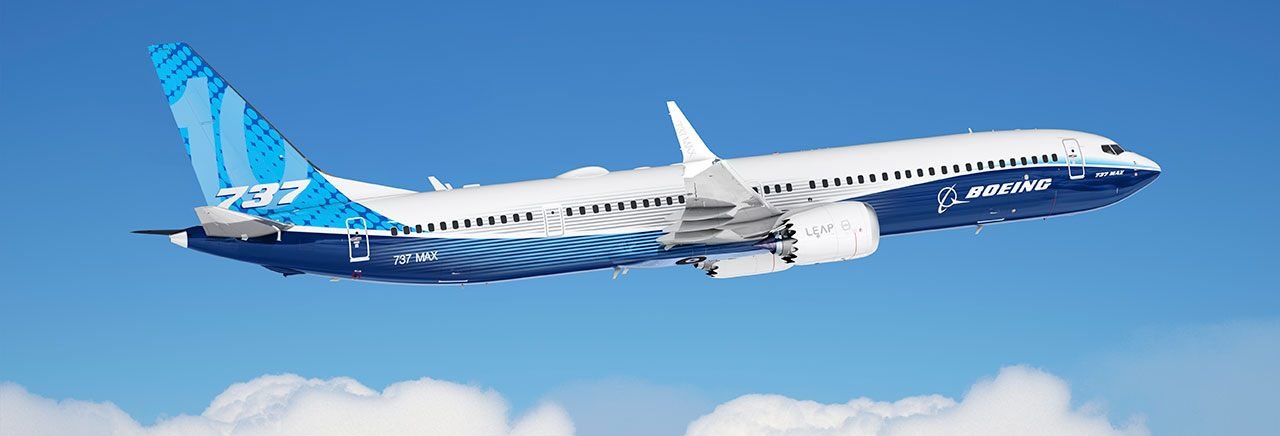
Boeing plans to cut about 5% of the workforce in its commercial airplane division, the company told employees on Monday, after it slowed the pace at which it intends to build more jets. The reductions will come through a mix of attrition and layoffs, and affected workers will begin receiving notices in December, according to reports from CNBC, The Seattle Times and Investing.com.
What happened
Stephanie Pope, chief executive of Boeing Commercial Airplanes, the unit that builds the company’s passenger and cargo jets, announced the move in a memo to staff. The Seattle Times, which first reported the cuts, obtained the email, and its contents were later reported by other outlets.
In the memo, Pope tied the job reductions directly to Boeing’s revised production plans. “Adjusting our production schedules and reducing aircraft output puts us in an overstaffed position,” she wrote, according to CNBC. She added that the company needed to align its staffing with its “revised business plan.”
Pope also wrote that Boeing must “reset the pace of our production rate ramps” to give its factories and suppliers more time to achieve stability, according to MyNorthwest, a Seattle news site, and Investing.com.
None of the reports gave an exact number of jobs that would be eliminated, and the memo, as reported, did not specify which roles or locations would be affected. MyNorthwest noted that Boeing had roughly 182,000 employees companywide at the end of 2025, but said it was unclear how many positions the 5% reduction would cover.
The outlets differed on one detail. CNBC described the cuts as coming through attrition and involuntary layoffs, while Investing.com referred to voluntary layoffs. MyNorthwest said only that the reduction would include layoffs and attrition.
Why it matters
The cuts are a sign that Boeing’s recovery is moving more slowly than the company had hoped. The planemaker has spent the past two years trying to rebuild its manufacturing quality and steadily raise output of the 737 Max, its best-selling jet, which is assembled in Renton, Washington, outside Seattle.
Higher production matters for Boeing’s finances because airlines pay most of a plane’s price when it is delivered, CNBC has noted. Fewer deliveries mean less cash coming in.
According to Investing.com, the reduction is the first since Kelly Ortberg, Boeing’s chief executive, cut about 17,000 jobs after taking over the company in late 2024.
Background: a slower ramp
The workforce cut follows Boeing’s third-quarter earnings report on Oct. 27, when the company pushed back its production goals. Ortberg said then that Boeing would not significantly raise 737 Max output until the second half of 2027. He blamed slower-than-expected wing production for the delay, CNBC reported. Investing.com said the company had originally aimed to increase the rate by the end of this year.
Key figures from the company’s recent disclosures and coverage include:
- Boeing is working to stabilize 737 Max production at about 47 planes a month. Reuters reported, as cited by MyNorthwest, that the company now expects to reach that steady rate in early 2027.
- The company is targeting 52 planes a month in the second half of 2027.
- Boeing also said it would slow the production ramp for its 787 Dreamliner and would miss its 2026 target for 737 Max deliveries, citing problems at its Renton wing shop, according to The Seattle Times as cited by MyNorthwest.
- For the third quarter, Boeing reported a net loss of $116 million on revenue of $24.19 billion, up 4% from a year earlier, and delivered 161 commercial airplanes.
“I know everybody wants us to go faster, but we’re going to do it right,” Ortberg told CNBC at the time.
Boeing is also dealing with supply problems elsewhere in its lineup. Reuters reported that a dispute with Vaero, a Florida-based supplier that Boeing says is the sole source of a wing component, disrupted production of the 777 freighter at the company’s Everett, Washington, site, costing Boeing about $6.5 million a day. The two companies settled in September, but 777 freighter production had not yet resumed, according to that reporting.
What comes next
Employees in the commercial airplane unit will start learning in December whether their jobs are affected. The cuts are likely to be felt most heavily in the Seattle area, where Boeing builds most of its commercial jets, though the company has not said where the reductions will fall.
Boeing shares swung during Monday trading after the news, initially falling nearly 2.9% before recovering those losses, Investing.com reported.
The bigger test will come next year, when Boeing tries to show it can steady 737 Max output at 47 planes a month and then move toward 52. Whether the company can hit those goals will shape its cash flow, its relationships with airline customers waiting for delayed jets, and how many workers it needs on its factory floors.