FTC Finalizes Limits on Beretta’s Board Role at Rival Gunmaker Ruger
The FTC approved a final order barring Beretta from placing anyone but independent directors on Sturm Ruger's board as it builds a stake of up to 25%.
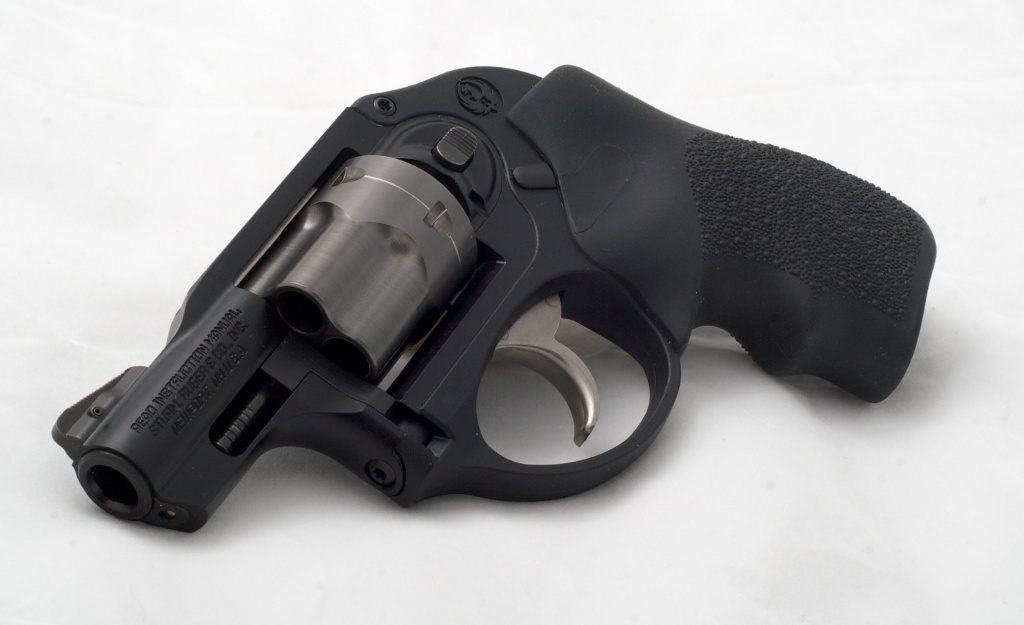
The Federal Trade Commission on Wednesday, Nov. 25, finalized an order that restricts who Italian firearms group Beretta Holding can place on the board of Sturm, Ruger & Co., a U.S. rival in which Beretta is allowed to build an ownership stake of up to 25%. The commission voted 2-0 to approve the order after a public comment period, the agency said in a statement.
The order bars Beretta from appointing or nominating anyone to Ruger’s board unless that person is independent of Beretta. The decision closes a regulatory step in a months-long saga between two of the best-known names in the gun industry. It started as a hostile proxy fight and later became a negotiated partnership.
What the order requires
According to the FTC, Beretta Holding, which it described as a subsidiary of Luxembourg-based Upifra S.A., must meet several conditions under the final order:
- It may not appoint or nominate any Ruger director who is not independent of Beretta.
- It must give the commission at least 15 days’ written notice before causing anyone to join Ruger’s board.
- It may not hire a director it nominated, or enter into a financial or other relationship with that director, if the arrangement would lead the director to breach their fiduciary duty to Ruger or would involve passing Ruger’s nonpublic information to Beretta.
Those limits apply while the director serves on Ruger’s board and for one year after their service ends, the agency said.
The terms match the proposed settlement the FTC announced on Sept. 16. At that time the agency alleged that the arrangement, as originally structured, would have created an illegal interlocking directorate under Section 8 of the Clayton Act. That provision of U.S. antitrust law generally bars the same people from sitting on the boards of competing companies. The FTC did not challenge the share purchase itself. Its complaint focused on the board rights attached to the deal.
“Competition thrives best when the temptation to collude and share sensitive information isn’t on the table,” Taylor C. Hoogendoorn, deputy director of the FTC’s Bureau of Competition, said in the September announcement.
From proxy fight to partnership
The dispute dates to September 2025, when Beretta disclosed a 7.7% stake in Ruger in a regulatory filing, the New York Post reported. Beretta later raised its holding to nearly 10%. In October 2025, Ruger adopted a one-year shareholder rights plan, a defensive measure often called a “poison pill,” which was set to be triggered if any investor reached 10% or more of the company’s stock, according to American Rifleman, a publication of the National Rifle Association.
In February 2026, Beretta said it would nominate four candidates to Ruger’s nine-member board. In March, Ruger publicly accused Beretta of trying to “stealthily seize control” of the company through what it called self-serving demands, according to the New York Post’s account. Ruger said Beretta’s chair had pointed to a long-term plan to combine the two companies but had made no formal proposal. A Beretta spokesperson called the suggestion that Beretta sought control of Ruger “entirely false,” the Post reported.
The two sides then reached a truce. In early May, Ruger and Beretta announced a strategic cooperation agreement, American Rifleman reported. Under it, Beretta may lift its ownership to up to 25% of Ruger’s outstanding shares, including through a partial tender offer at a minimum price of $44.80 per share in cash. Beretta dropped its push for four board seats. Instead it may nominate up to two independent directors after Ruger’s 2026 annual meeting and regulatory approval, with nominees going through Ruger’s nominating and governance committee. The publication said Beretta also agreed not to start or support a proxy contest for at least three years.
“This agreement is strategically valuable and will benefit all Ruger stakeholders,” John Cosentino, chairman of Ruger’s board, said at the time. Pietro Gussalli Beretta, chairman and chief executive of Beretta Holding, said the company was pleased to have reached the agreement.
Why it matters
Ruger, which is based in Connecticut and trades on the New York Stock Exchange under the ticker RGR, is one of the largest U.S. firearms makers. Its revenue rose 1.9% to $546 million in 2025, and it posted a net loss for the year, according to American Rifleman. The New York Post put Ruger’s market value at about $581 million in March and said Beretta had $1.7 billion in revenue in 2024. That makes the Italian group roughly three times Ruger’s size by sales.
The case is also part of a wider push by antitrust enforcers to police interlocking boards, the arrangement under which one company’s executives or representatives sit on a competitor’s board. Minority investments between competitors can still go ahead, the FTC’s approach suggests, as long as they do not give a rival a direct seat at the table or a channel for sensitive information.
What comes next
With the final order in place, the remaining question is how quickly Beretta moves toward the 25% ceiling and whom it nominates to Ruger’s board. Each of those nominees will now have to be independent of Beretta and be disclosed to the FTC in advance. The commission’s public case file still lists the matter as pending. Neither company had commented publicly on the final order in the materials reviewed for this article.