Google, Samsung Open Preorders for Android XR Smart Glasses
Google and Samsung's camera-equipped Intelligent Eyewear starts at $395 from Warby Parker and $449 from Gentle Monster, with stores shipping Dec. 10.
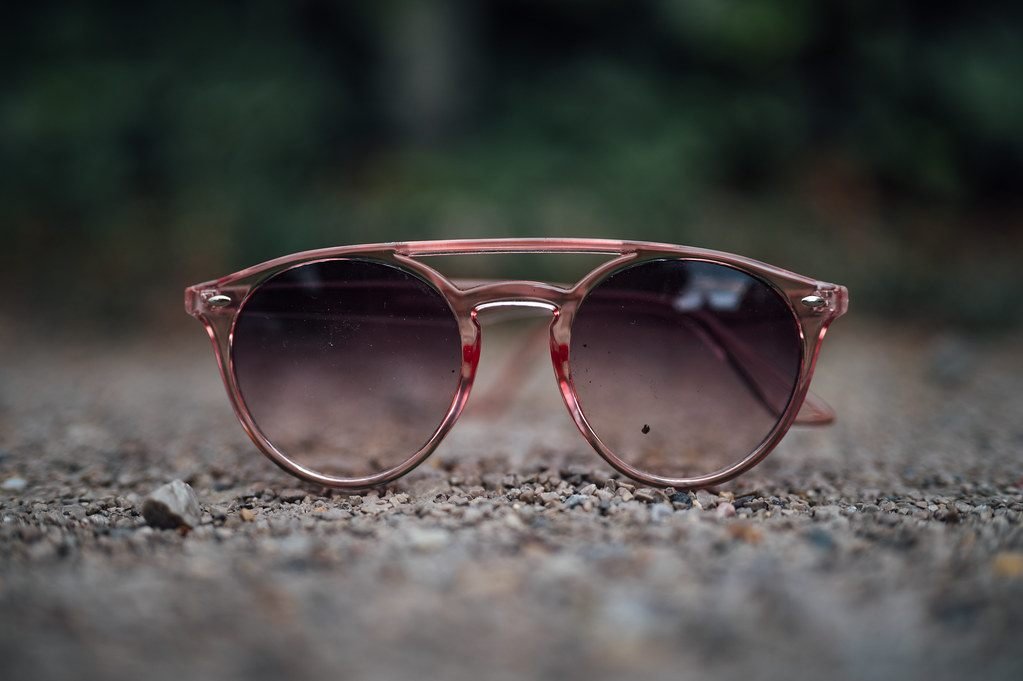
Google and Samsung opened preorders on Thursday for their first Android XR smart glasses, a camera-and-audio wearable called Intelligent Eyewear that goes head-to-head with Meta’s popular glasses. Warby Parker frames start at $395 and Gentle Monster frames start at $449, with retail availability set for Dec. 10, according to 9to5Google and Gizmodo.
What happened
The glasses are built by Samsung and run Android XR, Google’s operating system for headsets and glasses, with the Gemini AI assistant at the core. Warby Parker, the eyewear retailer, offers three frame designs, while Gentle Monster, a South Korean fashion eyewear brand, offers six styles, Gizmodo reported. 9to5Google counted 30 unique designs in total across the lineup and said the Gentle Monster version is sold in the United States and South Korea.
The glasses have no display, according to reviews. They carry a 12-megapixel ultra-wide camera, four microphones and two open-ear speakers, and respond to a “Hey Gemini” voice command or a touchpad. 9to5Google said they weigh 40 to 44 grams and last about nine hours per charge, with a case holding seven additional charges. Features include turn-by-turn Google Maps directions and live translation. Gizmodo, which tested a pair, said live translation from Brazilian Portuguese to English was fast, while using the camera to ask Gemini about surroundings was hit-or-miss.
9to5Google also reported that the glasses support iPhones through Made for iPhone certification, Apple’s program for accessories that connect to its devices. An iOS companion app saves photos and videos of up to 90 seconds to Apple Photos, and Gemini on iOS can make calls and send messages, including through iMessage. An iPhone 13 Pro or newer is required.
Privacy measures
Smart-glasses privacy has been a sore point for the category. Engadget noted that Meta’s glasses drew criticism earlier this year from people who called them “creep glasses.” Google is positioning its product as the more privacy-minded option.
According to Engadget and 9to5Google, an LED lights up when the camera records media that is saved, and the glasses stop capturing if the light is covered or tampered with. Google says camera images are not used to train AI models or target ads, and are not stored in Gemini History. Bystander faces are blurred before processing, and the microphones are designed to focus on the wearer’s voice. Gemini camera queries, such as visual search or translation, do not trigger the light because those images are not saved, 9to5Google said.
Juston Payne, who leads XR (extended reality) at Google, spoke with Engadget about the policies. Google’s rules ban apps from using the glasses for social live-streaming or real-time facial identification, and bar sales of stickers that hide recording lights in its shopping and ad products. Engadget noted gaps: because the glasses work with iOS, third-party apps outside Google’s control could still offer prohibited features, and covering stickers may still be sold on marketplaces such as Amazon and Temu. Gizmodo said the effectiveness of the face blurring has not been independently verified.
Why it matters
Meta, with its glasses partner EssilorLuxottica, has dominated the recent revival of smart glasses. Gizmodo described the new Google and Samsung model as functionally similar to Meta’s and slightly lighter, and said the companies are operating at comparable scale. The pricing sits in the range of mainstream smart eyewear, and iPhone support widens the potential audience beyond Android users.
What comes next
Stores begin selling the glasses on Dec. 10. Independent testing of battery life, camera quality and the privacy safeguards is still limited to early hands-on sessions, and reviewers had only brief time with the devices. Pricing outside the United States and South Korea has not been detailed in the reports reviewed.