Hims & Hers Launches Unapproved Peptide Treatments Under Peptides+
The telehealth company is now selling five compounded peptide and longevity products, while its own medical chief concedes key efficacy data are missing.
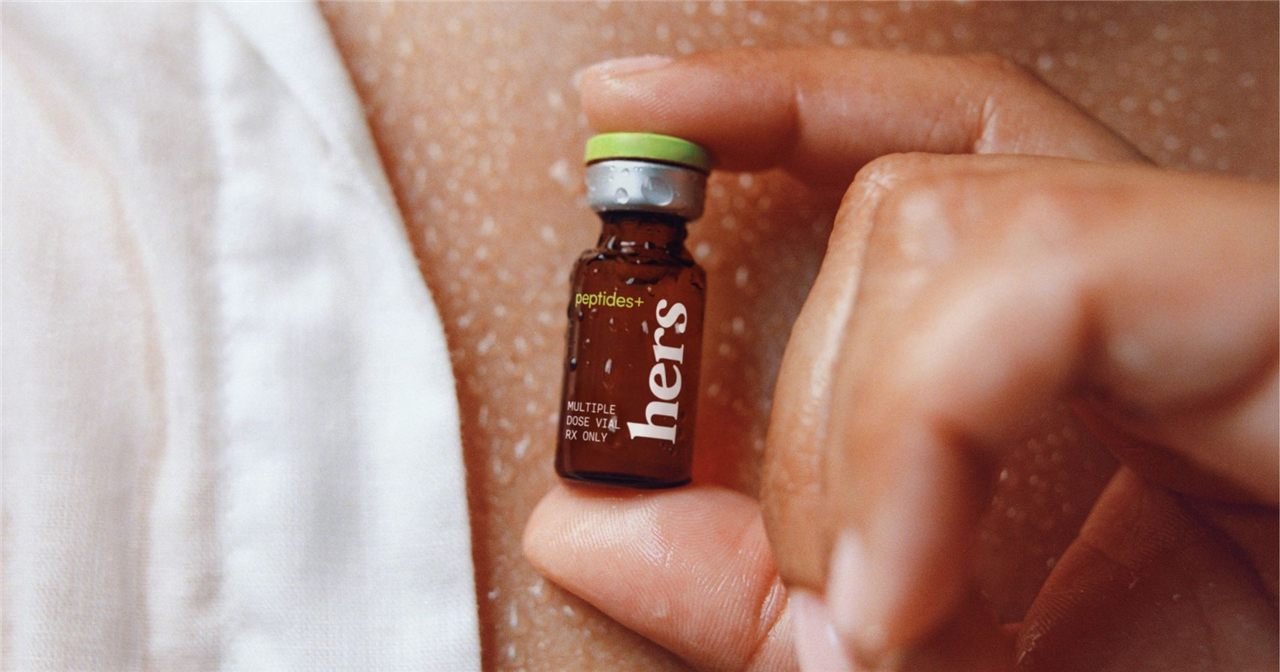
Hims & Hers Health, the U.S. telehealth company best known for online prescriptions for hair loss, sexual health and weight loss, has started selling compounded peptide and so-called longevity treatments through a new platform called Peptides+. None of the five initial products, as compounded and sold by the company, has been approved by the Food and Drug Administration, and the company’s own chief medical officer acknowledged that the evidence on how well they work is incomplete, CNBC reported.
What happened
According to CNBC, the first Peptides+ lineup includes five products made by U.S. compounding pharmacies, which prepare customized versions of drugs:
- Sermorelin, a peptide that prompts the body to release growth hormone, marketed for recovery, body composition and anti-aging.
- Glutathione, an antioxidant peptide promoted for anti-aging and athletic recovery.
- NAD+, a coenzyme involved in how cells produce energy.
- Vitamin B-12, needed for red blood cells, DNA and nerve function.
- L-carnitine, an amino acid derivative that helps the body convert fat into energy.
Patients first go through an assessment with a licensed provider trained in peptide therapies, CNBC said, and the company’s Care+ offering includes lab testing twice a year and around-the-clock messaging with clinicians. People with serious heart, liver or kidney disease are not eligible for now. Hims said more than 10,000 people joined an early-access list within 15 days after it opened in late October. Neither CNBC nor other outlets reviewed reported prices for the products.
The company plans to add BPC-157 and TB-500, two peptides that have not been approved by the FDA and have mostly been studied in animals. Reuters reported earlier this month that Andrew Dudum, Hims’ chief executive, said the company intends to manufacture both in the United States. The pair is often taken together for fitness and recovery in a combination nicknamed the “Wolverine stack.”
The efficacy question
Dr. Anant Vinjamoori, Hims’ chief medical officer, told CNBC that the company does not have the kind of data it normally expects for such compounds. He said Hims has a responsibility to “get it right” and would adjust doses or refer patients elsewhere if treatments fall short.
Outside scientists were more skeptical. Joshua Kritzer, a chemistry professor at Tufts University, told CNBC that “without actual testing, all you have is anecdotal information,” and argued that a doctor who knows a patient only online is not enough oversight for an unapproved drug. Paul Knoepfler, a professor at the University of California, Davis, said dosing “really has not been established” and warned that injected synthetic peptides could provoke harmful immune reactions.
The scientific record is thin for several of the products. CNBC cited a 2026 systematic review of 113 studies that found no eligible human trials showing intravenous or intramuscular NAD+ improves aging, energy or wellness outcomes. Medical Daily, a health news site, reported in August that sermorelin has an established role in diagnosing and treating growth hormone deficiency, mainly in children, but that there is no comparable evidence it slows aging in healthy adults. CNBC also noted that the FDA has received reports of at least 30 patients with adverse events after compounded intravenous glutathione, linked to ingredients labeled as dietary-supplement grade.
Andrew Huberman, a Stanford neuroscientist who recently joined Hims’ board, has described the compounds as “real medical treatments, not just a wellness trend,” according to CNBC.
Why it matters
The launch follows a shift in federal policy. In October, the Department of Health and Human Services said the FDA would not take enforcement action against licensed pharmacies, federal facilities or physicians that compound and dispense six unapproved peptides while formal rules are reviewed, CNBC reported. That is enforcement discretion, not approval. The FDA had restricted compounding of several popular peptides in 2023 over concerns about safety, impurities and immune reactions.
Robert F. Kennedy Jr., the health and human services secretary, has called himself a “big fan” of peptides and has argued that restrictions push Americans toward potentially unsafe overseas suppliers, Reuters reported. Critics counter that the products should go through the standard FDA approval process before being widely sold.
For Hims, peptides extend a strategy of adding cash-pay wellness products to its subscription business. The company bought a peptide manufacturing facility in California in February 2025, according to CNBC.
The business picture
The new line is not expected to move results soon. Yemi Okupe, Hims’ chief financial officer, said revenue from peptides would be immaterial this year, Reuters reported. Third-quarter revenue rose 49% to $890.4 million, and subscribers grew 13% to nearly 2.8 million, but gross margin fell to 57% from 74% a year earlier as the company shifted toward pricier branded weight-loss drugs and expanded abroad. Hims posted a quarterly net loss of $33 million and narrowed its full-year revenue forecast to $3.13 billion to $3.15 billion.
What comes next depends partly on regulators. The FDA has not said when, or whether, it will finalize compounding rules for the peptides covered by the HHS policy, leaving the longer-term status of products such as BPC-157 and TB-500 uncertain.