Marcos Says No Pax Silica AI Hub Signing During Trump’s Manila Visit
The Philippines will not sign the US-led Pax Silica chip and AI hub deal during Trump's visit, as protests over the New Clark City project grow.
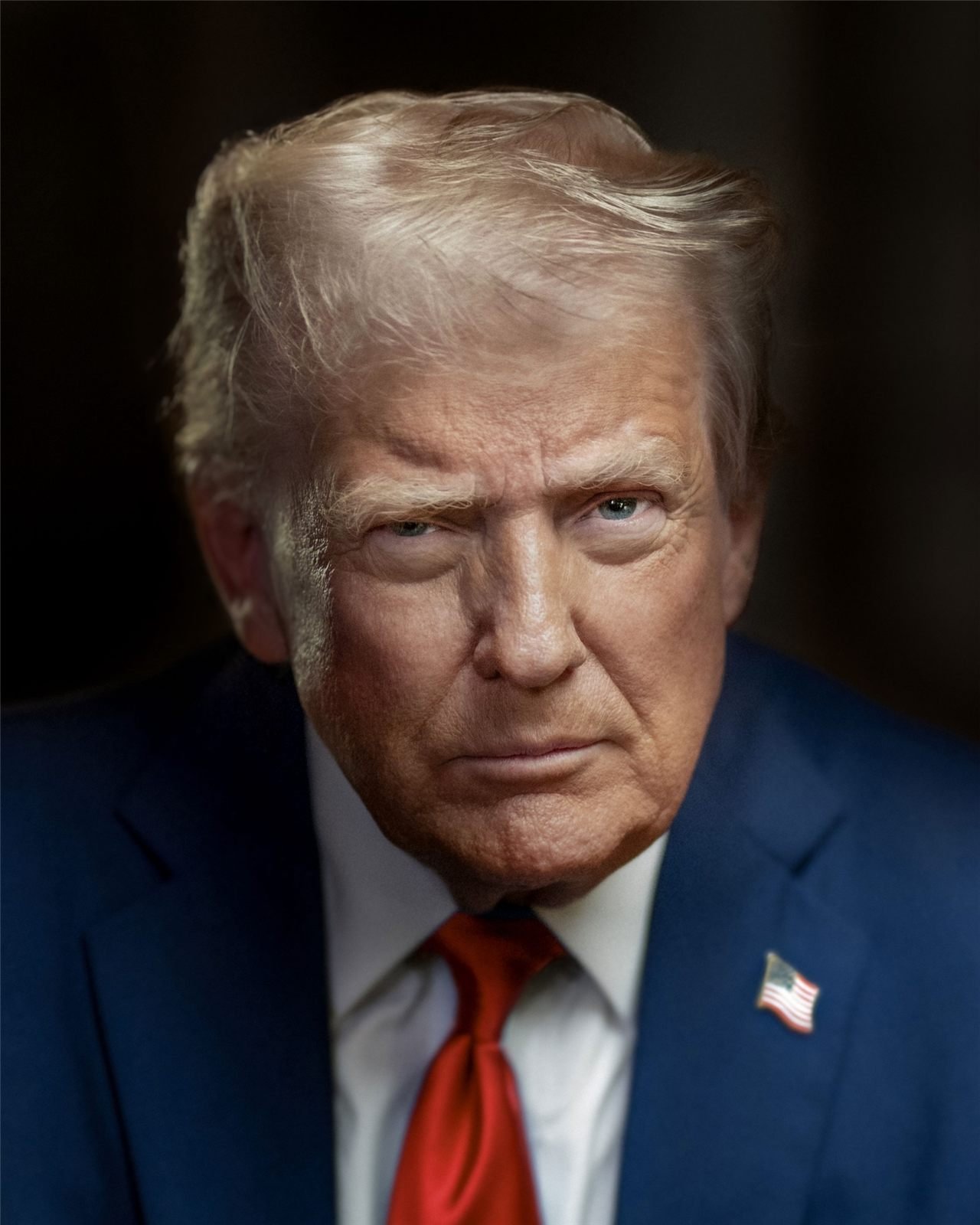
The Philippines will not sign a planned agreement to host a major US-backed semiconductor and artificial intelligence hub while President Donald Trump is in Manila, President Ferdinand Marcos Jr. said on Wednesday. The decision leaves one of Washington’s most closely watched tech supply-chain projects in Asia unfinished, even as Trump hailed a separate trade deal with the country.
The agreement would formalize the Philippines’ role in Pax Silica, a US-led initiative meant to secure supply chains for chips, AI technology and critical minerals among allied countries. At its center is a proposed 4,000-acre industrial zone north of Manila that would be the first site developed by any member of the group, according to Philstar.com.
What happened
Lee Lipton, the US ambassador to the Philippines, told reporters that the draft framework would not be signed during Trump’s short stop in Manila, The Manila Times reported. Marcos confirmed that position, saying the signing would not happen on “this trip.” Philstar.com reported that the Philippines’ Board of Investments, the government agency that promotes investment, still expects the deal to be signed before the end of 2026.
Trump arrived in Manila on Tuesday for the 49th summit of the Association of Southeast Asian Nations (ASEAN), the 11-member regional bloc. The Philippines is the first stop on an Asia trip that continues to Shenzhen, China, for the Asia-Pacific Economic Cooperation (APEC) leaders’ meeting, according to Newsweek.
At a state luncheon hosted by Marcos at Malacañang, the presidential palace, Trump said the two leaders had reached “the biggest trade deal we’ve ever made, by far,” The Manila Times reported. He did not give details. Jose Manuel Romualdez, the Philippine ambassador to Washington, said the US had offered to help the Philippines diversify its food and energy supplies. A palace statement described an understanding on economic cooperation focused on energy and food security, with trade officials tasked with turning it into concrete projects.
What the hub would be
Under the draft agreement, the industrial center would be built in the Luzon Economic Corridor, a development plan launched by the United States, Japan and the Philippines. It would start with a 1,620-hectare site in New Clark City, a government-planned city in Tarlac province, Philstar.com reported.
Outlets describe the project’s focus somewhat differently. The Manila Times called it a semiconductor hub, while Newsweek described it as an AI data center hub. Newsweek said Pax Silica more broadly aims to strengthen the AI supply chain through investment in chip manufacturing and mineral extraction.
Philippine officials have promoted the project as a major source of investment. In his State of the Nation Address in July, Marcos said the hub would “bring quality jobs to our people, accelerate our industrial competitiveness and revitalize our economy,” according to Newsweek. At Wednesday’s luncheon, Marcos also listed technology, supply chains, AI and “superintelligence” among areas for future cooperation with Washington, The Manila Times reported.
Why it is controversial
The plan has drawn sustained opposition in the Philippines. Critics have raised concerns about:
- Water and electricity demand from data centers and industrial facilities
- Environmental damage at and around the site
- The possible displacement of farming, fishing and Indigenous communities
- Questions of national sovereignty and who would control the hub and its output
The Institute for Climate and Sustainable Cities, a Philippine policy group, called the messaging around the initiative “mixed” and said key details remain unclear, Philstar.com reported. Its executive director, Angelo Kairos dela Cruz, said the debate was being oversimplified into an “arms race” between the United States and China. Several progressive groups, as well as Swedish climate activist Greta Thunberg, have urged Manila to reject the project.
Antonio Tinio, a lawmaker from the ACT Teachers party-list group, urged Marcos to stop acting as Trump’s “cheerleader,” arguing that the country was becoming subordinate to Washington, according to The Manila Times.
Protests and arrests
Demonstrations against Pax Silica and Trump’s visit escalated ahead of the summit. Reports differ on the number of arrests on Sunday: Philstar.com put the figure at 276 protesters detained in Muntinlupa, including at least 50 University of the Philippines students, while Newsweek cited reports of more than 300 arrests across Manila and Muntinlupa.
Amnesty International called for the protesters’ immediate release and accused the Philippine National Police of violating the right to protest, Newsweek reported. Police General Jose Melencio Nartatez Jr. told commanders that respect for peaceful assembly “must remain part of our security operations” and urged “maximum tolerance, restraint, and professionalism.”
What comes next
The draft framework is now under review by the US government, and no new signing date has been announced. The delay comes as Washington seeks to build chip and AI supply chains outside China, and as the Philippines weighs promised investment against growing pressure at home.