Microsoft Says 365 Fully Restored After Day-Long Global Outage
Microsoft says all Microsoft 365 services are operational after an outage of more than a day that disrupted businesses, governments and others worldwide.
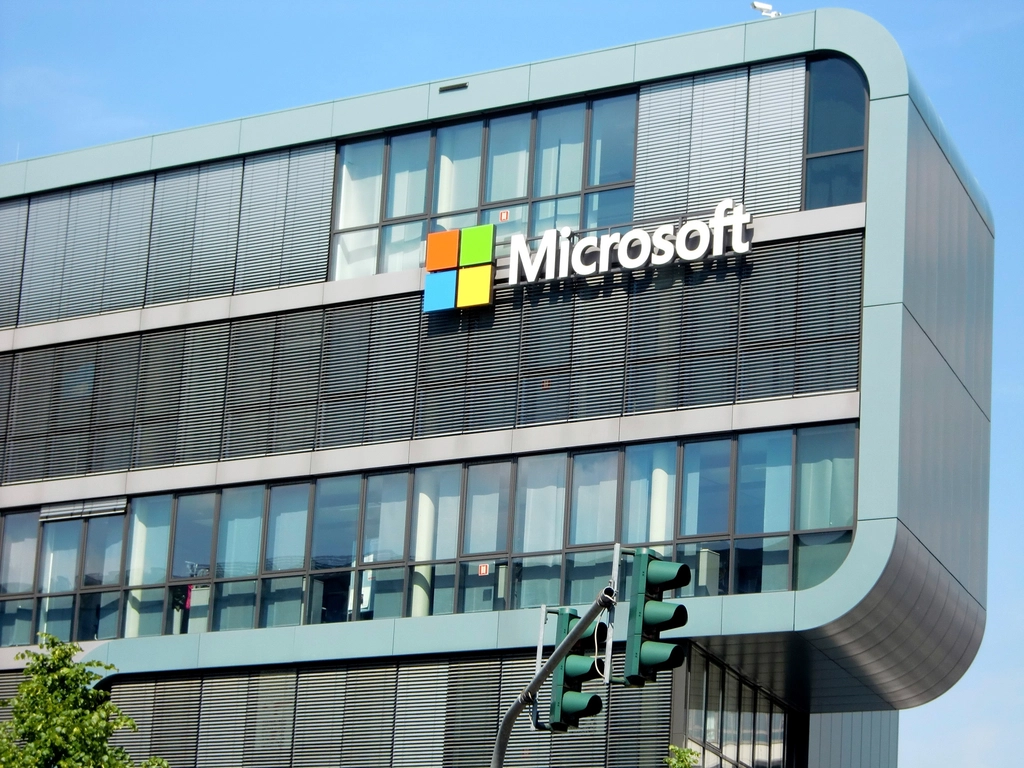
Microsoft Corp. said access to its Microsoft 365 productivity software has been fully restored, ending an outage of more than a day that disrupted government offices, traders, hospitals and businesses around the world, Bloomberg reported. The company said early Saturday morning, U.S. Eastern time, that it had addressed the underlying issue and restored service to remaining customers and regions.
What happened
The disruption began on Thursday, Nov. 12, at roughly midday Eastern time, according to MacRumors and the IT news site Petri. Users lost access to Outlook email, and problems spread to other parts of the Microsoft 365 suite, including Exchange Online, Teams, SharePoint Online, OneDrive, Planner, Microsoft To Do and Microsoft 365 Copilot, Petri reported. Administrative tools and some security services, including Defender XDR, were also affected, according to the same report.
Petri said the outage-tracking site Downdetector logged more than 130,000 reports about Outlook at the peak. MacRumors reported that most calling, meeting and messaging functions in Teams stayed online, while scheduling meetings and adding calendar entries were error-prone for some users.
Petri also reported downstream effects, including UK National Health Service trusts and police forces falling back on phone lines, and trading and logistics operators switching to manual processes. Bloomberg described the outage as one of Microsoft’s longest.
What Microsoft says caused it
Microsoft said the problem stemmed from an issue introduced during an earlier network capacity upgrade that surfaced after a recent network change. It described the incident as a technical issue not related to a cyberattack or to AI agents, according to MacRumors and Petri.
Petri’s account of Microsoft’s explanation says an overwhelmed core backend process failed automated health checks, which removed servers from service. The remaining servers were then pushed past their limits, causing cascading degradation. Microsoft said the surge was not caused by outside user demand. Early attempts to reboot servers and reroute traffic gave only brief relief because live traffic swamped the machines again once they returned to service, Petri reported.
Microsoft apologized for the disruption and said it takes its customers’ trust seriously, MacRumors reported. The company said it froze non-essential service changes, throttled some incoming traffic, deployed a patch to an upstream authentication and routing component, and added capacity. It restored services gradually, checking stability at each stage, which it said took longer but produced a more stable recovery. To avoid losing delayed messages, Microsoft extended its email timeout window to 48 hours, according to Petri.
What comes next
Microsoft has said it will publish a full post-incident report once its review is complete, according to MacRumors. That report is expected to give a fuller account of the root cause, and it is not yet known how many customers were affected in total or whether Microsoft will offer any compensation. Neither source reported any such offer.
Administrators were advised to monitor the service health page in the Microsoft 365 admin center, where Microsoft tracked the incident under the reference MO1550821, and to check for queued mail and delayed security alerts, Petri reported. Some users may still see lingering delays as backlogs clear.
The outage comes less than a year after another major Microsoft 365 disruption in January 2026, which lasted about 10 hours, according to The Register. MacRumors also noted that Microsoft announced plans to cut thousands of jobs just over two weeks earlier, but it did not link those plans to the outage, and no source reviewed here suggests a connection.