US Regulators Probe Whether Waymo’s School Bus Fix Actually Worked
NHTSA opened a recall query into 2,895 Waymo robotaxis after finding most school bus passing incidents happened after a software fix was finished.
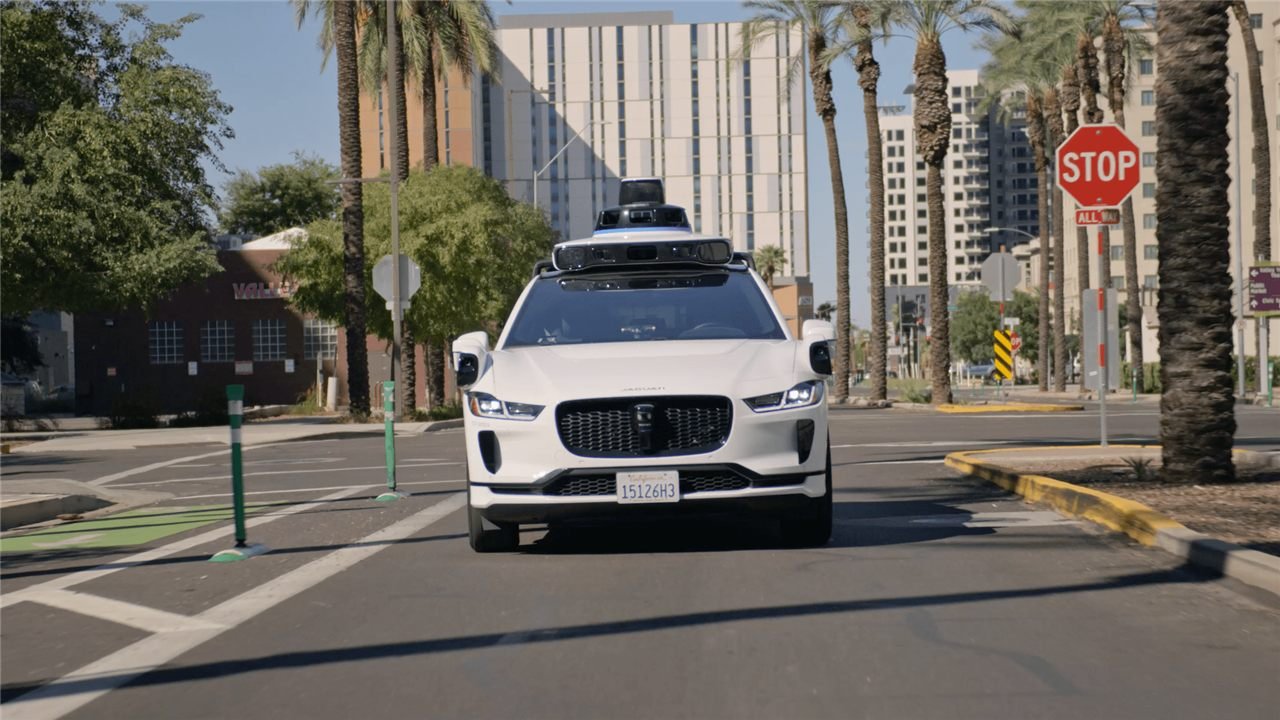
Federal auto safety regulators have opened a new investigation into whether Waymo, the self-driving car company owned by Google parent Alphabet, actually fixed a software flaw that led its robotaxis to drive past stopped school buses. The National Highway Traffic Safety Administration (NHTSA) said most of the school bus passing incidents it identified happened after Waymo had finished rolling out the fix, according to reports based on the agency’s filing.
What happened
NHTSA has opened what it calls a recall query, labeled RQ26006, covering 2,895 vehicles equipped with Waymo’s fifth-generation automated driving system, Drive Tesla Canada reported, citing the agency’s documents. A recall query is a formal review in which regulators examine whether a manufacturer’s earlier recall remedy solved the safety defect it was meant to address.
The agency said the query “will assess the adequacy of the remedy and determine the causes of the post-remedy incidents,” according to Tech Times. FOX 5 New York, drawing on reporting from Reuters, said federal investigators will look at why violations continued after the update and whether “additional corrective measures are necessary.”
At the center of the case is a software update Waymo deployed between Nov. 5 and Nov. 17, 2025. It was designed to change how the cars respond to a school bus that has stopped with its red lights flashing or its stop arm extended. Waymo said the update had reached all affected vehicles by Nov. 17. NHTSA’s review found that the majority of the passing incidents it identified took place after that date, which the agency said raised doubts about whether the remedy worked.
Reports differ slightly on the size of the fleet involved. The new query covers 2,895 vehicles, while Waymo’s December 2025 recall filing was widely reported to cover 3,067 vehicles. The filings do not explain the gap in the coverage reviewed for this article.
Background
The problem first drew national attention in September 2025, when Atlanta television station WXIA aired footage of a Waymo car passing a stopped school bus, Tech Times reported. NHTSA’s Office of Defects Investigation, the unit that examines possible vehicle safety defects, opened a preliminary investigation in October 2025.
School districts in two cities where Waymo operates had flagged repeated problems:
- The Austin Independent School District in Texas reported 19 incidents to federal regulators and, by early December 2025, had issued its 20th school bus citation against Waymo. The district asked the company to pause service during peak bus hours, a request Waymo declined, according to Tech Times.
- Atlanta Public Schools confirmed six stop-arm violations between May and December 2025.
Waymo then filed a voluntary software recall in December 2025. At the time, Mauricio Peña, Waymo’s chief safety officer, said the company would keep “analyzing vehicle performance and making necessary fixes,” Tech Times reported. Under the voluntary recall, the cars stayed on the road while the software was updated over the air.
Why it matters
Passing a stopped school bus is illegal in every US state, because children are often crossing the road when the stop arm is out. The case is one of the most closely watched tests of how US regulators oversee driverless vehicles, which are now operating as commercial taxi services in several American cities.
If NHTSA concludes the original fix was inadequate, it could push Waymo toward a new recall. Tech Times said possible outcomes could include a broader recall or restrictions on operations near schools, but those are possibilities, not decisions. The agency has not announced any finding, and the query is at an early stage.
Waymo is also facing separate federal scrutiny over a January 2026 collision in Santa Monica, California, in which one of its vehicles struck a child near an elementary school, Tech Times reported.
The company has argued that its technology is safer than human drivers overall. Waymo has reported more than 220 million fully autonomous miles driven and, in its most recent safety report, said its cars were involved in 94% fewer serious-injury crashes than human drivers. Those figures come from the company and have not been independently confirmed by regulators.
What comes next
NHTSA will gather information from Waymo about the incidents that occurred after the update and evaluate whether the software change met the requirements of the recall. The investigation comes as Waymo, which raised $16 billion at a $126 billion valuation in February, pursues an expansion to more than 20 additional US cities and overseas markets including Tokyo and London.
Any new requirements could also affect Uber, which sends riders to Waymo vehicles in Austin and Atlanta through its app. Waymo has not been found to have broken any law in connection with the recall query, and NHTSA has not said when it expects to finish its review.