Norse Atlantic Files for Bankruptcy, Cancels All Flights Over Fuel Costs
The Norwegian budget long-haul carrier's main operating unit filed for bankruptcy after failing to raise funds as Iran war fuel costs soared.
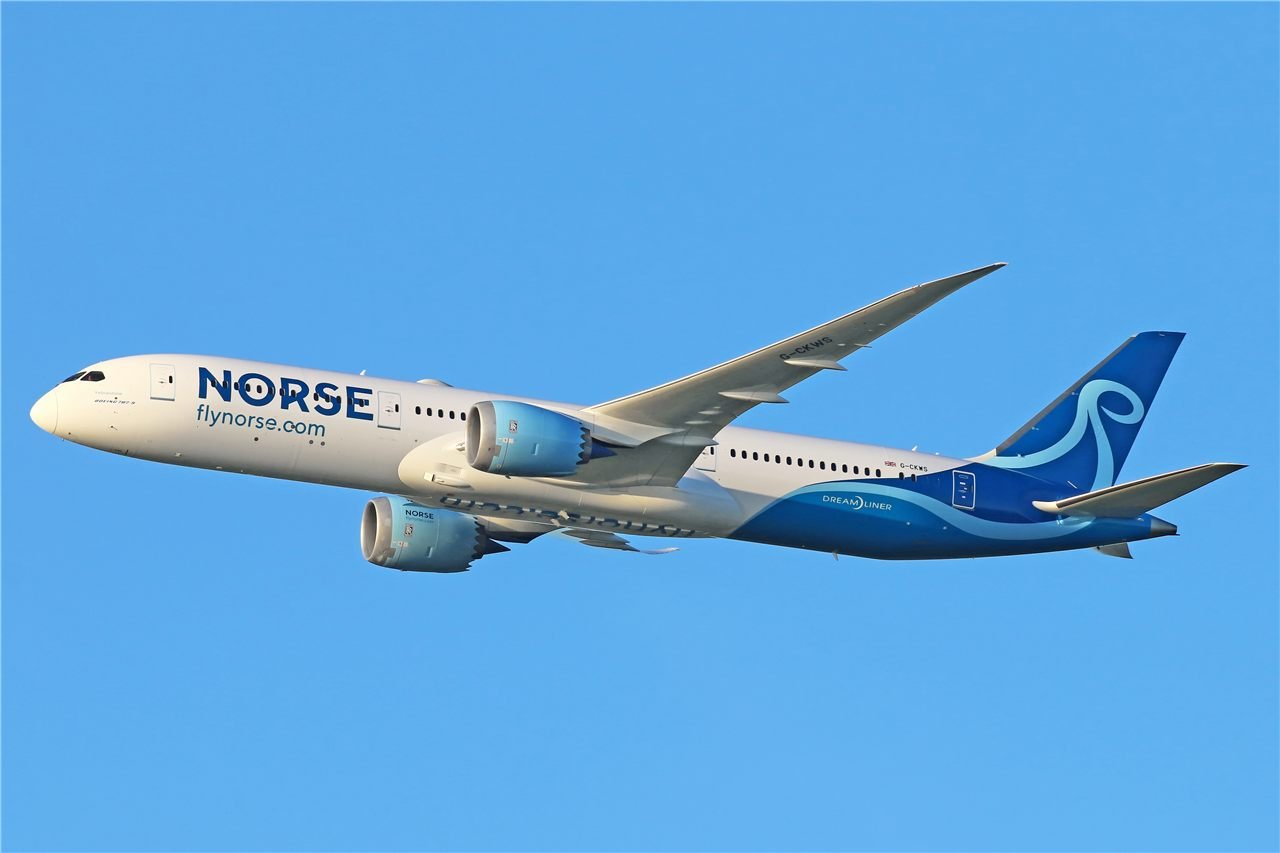
Norse Atlantic Airways, the Norwegian low-cost carrier that flew cheap long-haul routes between Europe and the United States, filed for bankruptcy on Friday and canceled all of its flights, saying it could not raise enough money to cover its short-term cash needs after a year of soaring jet fuel prices. The company also stopped selling tickets, leaving passengers to pursue refunds through a bankruptcy process that offers no guarantee of repayment.
What happened
In a stock exchange announcement issued from its base in Arendal, Norway, the listed parent company, Norse Atlantic ASA, said the board of its wholly owned operating subsidiary, Norse Atlantic Airways AS, had resolved to file a bankruptcy petition with the Agder District Court. The court will appoint a trustee to manage the process. The company said “all Norse flights are cancelled and ticket sales have been discontinued.”
The parent company, which trades on Euronext Expand Oslo, a market segment of the Oslo stock exchange, and its other group companies, including a UK subsidiary, are not part of the filing. The company said alternatives involving the parent and “selected subsidiaries” are being considered.
Eivind Roald, chief executive of Norse Atlantic, said in the statement that the board had made “the difficult decision to file for bankruptcy” despite extensive efforts to find a solution. “We are deeply sorry for the impact this has on our passengers, employees and partners,” he said, adding that management and advisers were working to keep the remaining part of the business operating.
Speaking to NRK, the Norwegian public broadcaster, Roald was blunter about the cause, according to Al Jazeera, which drew on Reuters reporting. “Fuel is what toppled this company,” he said.
A rapid collapse
The end came within days. On Wednesday, Norse said it was facing a “critical financial situation,” and CNBC reported that the airline was weighing options ranging from a strategic takeover to ACMI contracts, an industry arrangement in which an airline leases out its aircraft and crews to other carriers on a short-term basis. Its shares closed 85% lower that day, according to CNBC.
The following day, the airline suspended flights and warned it could seek bankruptcy protection if it failed to find funding, Al Jazeera reported. The company had also announced termination notices for all of its aircraft. According to Al Jazeera, Norse began ending leasing agreements with aircraft lessors AerCap Holdings and BOC Aviation, which had terms of 12 and 16 years, respectively.
On Friday, Norse shares fell nearly 69% on the Oslo Stock Exchange, bringing their loss for the year to 99.86%, Al Jazeera reported.
The Norse Atlantic Pilots Association, the union representing the airline’s pilots, told Reuters it was “a very hard day for the pilots and their families, and for all other Norse employees,” adding that its thoughts were also with passengers whose trips had been canceled.
What it means for passengers
The airline said further information for travelers is available on its website, where it also said its customer service department is no longer available, according to Al Jazeera. Key points for affected customers, based on what the company and news reports have said:
- All Norse flights are canceled and no new tickets are being sold.
- Refund claims can be made through the bankruptcy process, but the company said repayment is not guaranteed.
- Customers were told to check their travel insurance or contact their banks.
Why it matters
Founded in March 2021, Norse built its business on discount fares between Europe and North America, and at times also served routes to Africa and Asia, CNBC reported. Its model depended heavily on keeping costs low, leaving it exposed when fuel, one of an airline’s largest expenses, became sharply more expensive.
Fuel prices have climbed since the war in Iran began on Feb. 28. Jet fuel was up nearly 72% from a year earlier, at $155 a barrel, in the week ending Nov. 20, according to the International Air Transport Association’s Jet Fuel Price Monitor, as cited by CNBC. Al Jazeera, citing the same industry group, said prices had risen 71% globally and more than 78% in Europe over the past year.
The strain was visible well before this week. In a May interview with CNBC, Roald said the airline had canceled more than 700 flights since the start of the war, affecting more than 240,000 passengers.
Norse is the latest in a string of airline failures and shutdowns. CNBC noted that Michael O’Leary, chief executive of Ryanair, warned in April that other European airlines would likely face financial difficulties over the winter if fuel stayed expensive. Slovakia’s AirExplore, Spain’s AlbaStar and Ireland’s Fly4 have stopped operating this winter, while Spain’s Plus Ultra has canceled all flights without permanently closing, CNBC reported. Latvian carrier airBaltic filed for Chapter 11 bankruptcy protection in September, and U.S. budget airline Spirit Airlines went out of business in May, according to Al Jazeera.
What comes next
A court-appointed trustee will now oversee the operating company’s bankruptcy, including claims from passengers and other creditors. Whether any part of Norse survives depends on the parent company and its UK unit, which the company said are still seeking a way to continue operations. It has not said what form that might take or how much funding would be needed.