Novo’s Wegovy Cuts BMI in Children Under 12 in Late-Stage Trial
Full STEP Young data show Wegovy cut BMI 17.4% in children aged 6 to 11, a group with no approved obesity drugs, Novo Nordisk said.
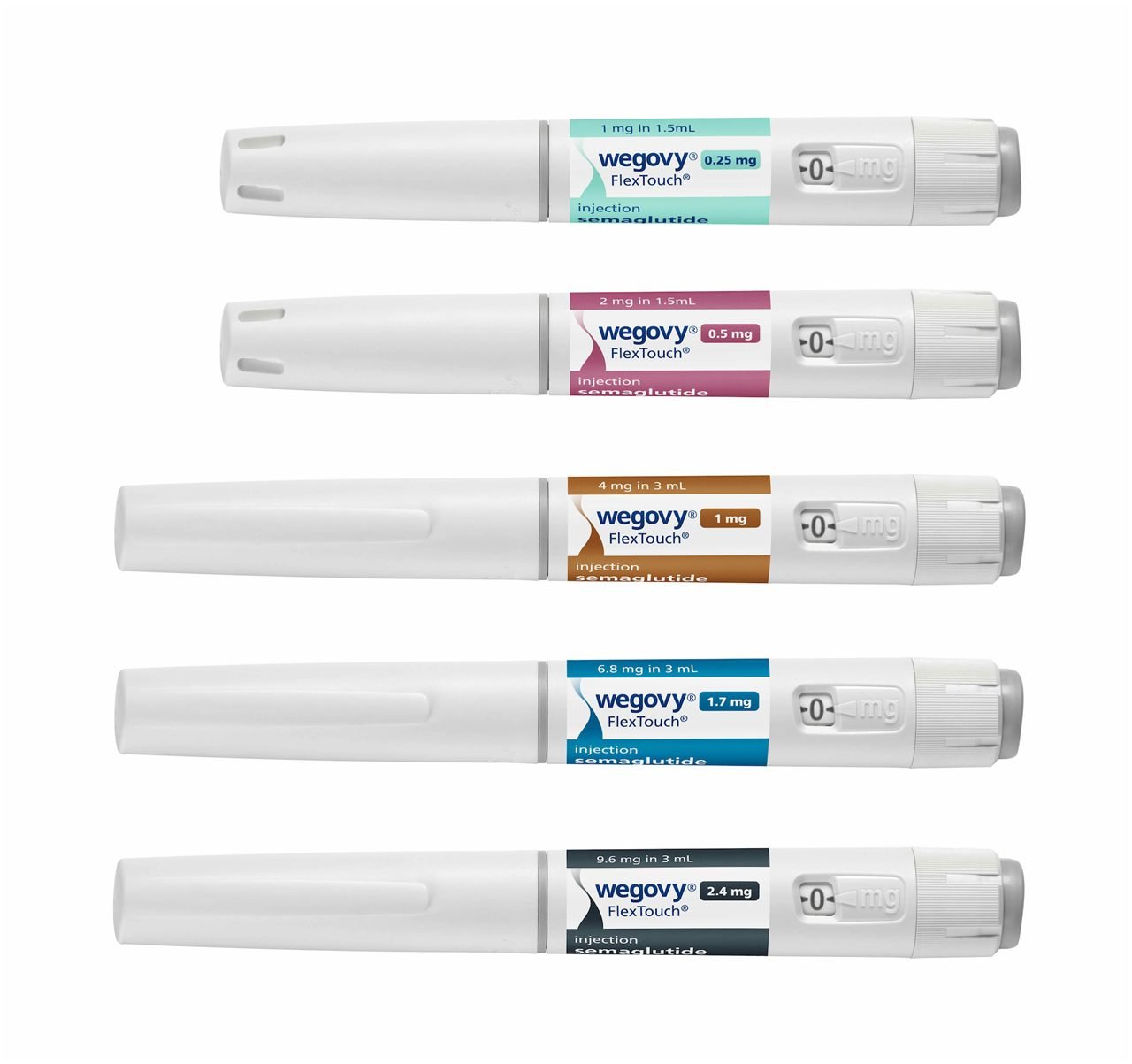
Novo Nordisk, the Danish drugmaker behind the weight-loss injection Wegovy, released full results on Monday from a late-stage trial showing the drug sharply lowered body mass index in children aged 6 to under 12 with obesity. The data could set up a push into an age group for which no obesity medication is currently approved, CNBC reported.
Among children who stayed on treatment for 68 weeks, Wegovy cut BMI by 17.4%, while BMI rose 2.2% in children given a placebo, according to CNBC. That works out to an estimated gap of 19.7 percentage points. When every enrolled child was counted, including those who stopped taking the drug, the gap narrowed to an estimated 16.2 percentage points.
What the trial found
The study, called STEP Young, is a randomized, double-blind, placebo-controlled phase 3 trial run in several countries. Novo said in its original announcement that it enrolled 165 children; CNBC’s report on the full results put the figure at 167. Every participant also received lifestyle support, including a reduced-calorie diet and more physical activity. Children on the drug received a maximum weekly dose of 1.7 milligrams or 2.4 milligrams of semaglutide, Wegovy’s active ingredient, depending on their weight when the trial began.
The children who took part were mostly severely affected. More than 85% began the study with what doctors classify as class II or class III obesity, the two most serious categories, and nearly half already had at least one related health problem such as high blood pressure, high cholesterol or sleep apnea, CNBC reported.
More than 40% of children on Wegovy were no longer classified as having obesity after 68 weeks, a headline figure Novo first disclosed in September. The company’s release at the time put the share at 40.4%, compared with none of the children on placebo. That estimate assumes children took the drug as prescribed throughout, and Reuters noted at the time that it was based on full adherence to treatment.
Novo said overall safety and tolerability matched what it has seen in trials of adults and adolescents, and it reported no safety concerns related to growth or pubertal development. The company said no new safety concerns were identified, though neither its release nor CNBC’s report gave specific rates for individual side effects.
Why it matters
Wegovy is already approved to treat obesity in people aged 12 and older, but there are no approved medications for younger children. Novo said STEP Young was conducted to meet post-marketing requirements set by regulators for its semaglutide program. Neither the company’s September release nor the coverage reviewed for this article described a specific timeline for seeking approval in the younger age group.
Demand is already showing up off-label. Reuters, citing a study published in September, reported that U.S. prescriptions of GLP-1 weight-loss drugs for children under 12 had risen more than 300-fold since 2019, even though the drugs are not approved for that age group. GLP-1 drugs mimic a gut hormone that helps regulate appetite and blood sugar.
The broader market is large. Novo cited estimates from the World Obesity Federation, an international advocacy and research group, that about 177 million children and teenagers aged 5 to 19 were living with obesity worldwide in 2025, a number projected to reach 228 million by 2040.
What the company and researchers say
Martin Holst Lange, Novo Nordisk’s chief scientific officer and head of research and development, said in September that the company was “encouraged by the positive STEP Young results.” Ania Jastreboff, director of the Yale Obesity Research Center, noted in the company’s release that most participants had severe obesity at the start of the study.
Dr. Andrea Traina, Novo’s medical director lead for obesity, told CNBC that the disease places “a very significant disease burden” on very young patients. She also acknowledged limits to what the trial can show, saying it does not reveal whether treating children early changes their long-term health or what ongoing treatment might look like as they grow. She described that as “still an evidence gap” that future research would need to address.
What comes next
Novo had said the detailed results would be presented at ObesityWeek 2026, the annual meeting of The Obesity Society, running Nov. 14 to 17 in Washington. The findings have not been described as published in a peer-reviewed journal. Any expansion of Wegovy’s label to younger children would require approval from regulators such as the U.S. Food and Drug Administration, and Novo has not publicly said when it might seek one.