Tesla to End Cybertruck Production in 2027 as Sales Fall Short
Elon Musk says Tesla will wind down Cybertruck output in Texas by mid-2027 to make room for its Cybercab robotaxi, after years of weak sales.
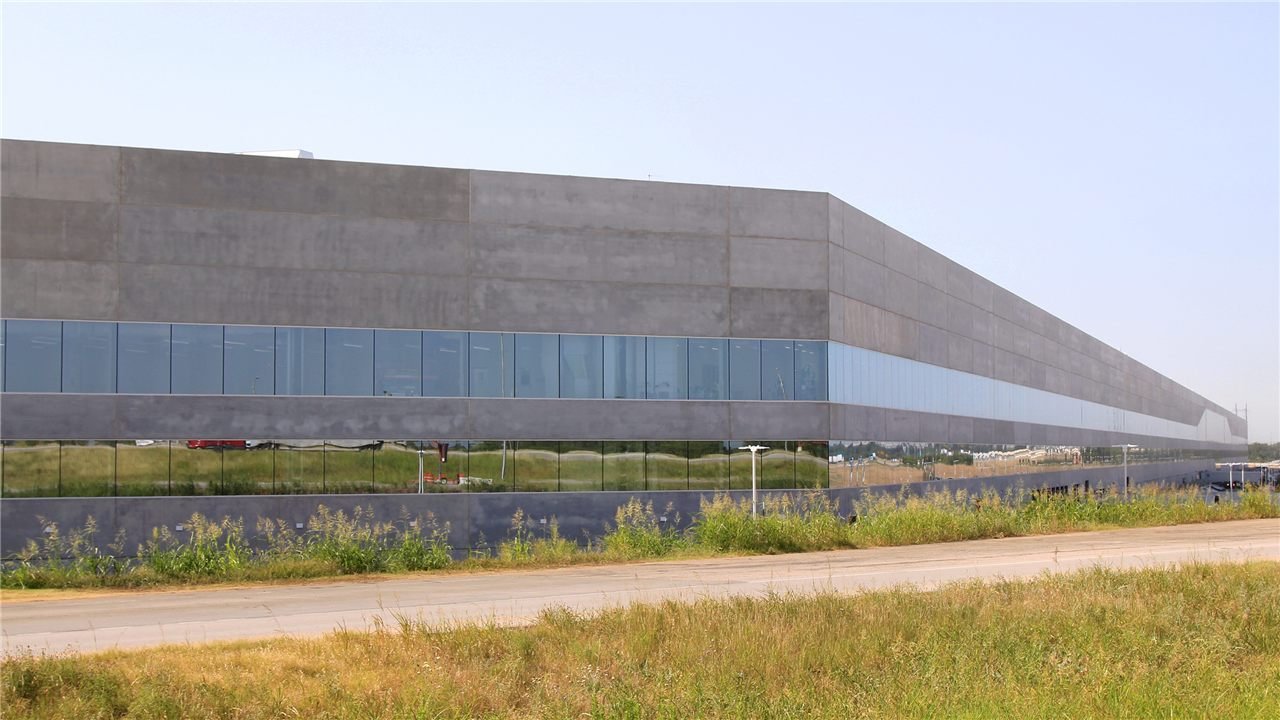
Tesla plans to stop building the Cybertruck, its angular stainless-steel electric pickup, around the middle of 2027, Elon Musk, the company’s chief executive, said in a brief post on X. Musk said winding down production at Tesla’s Gigafactory Texas, its plant near Austin, would free up capacity for the Cybercab, the two-seat driverless robotaxi the company is now rolling out. The decision ends a vehicle that drew enormous attention when it was unveiled but never came close to the sales volumes Tesla once predicted.
What happened
According to the Associated Press, Musk announced the change in a short post on a Friday in early November, saying output in Austin would taper off around mid-2027. InsideEVs reported that the wind-down is expected to begin next summer, while Electrek noted that the timeline lands roughly three and a half years after the first trucks reached customers.
The announcement left several questions unanswered. Electrek reported that Tesla has not said how long it will keep selling remaining inventory, or how long it will support existing owners with parts and service. When one post on X described the truck as discontinued, Musk responded that the Cybertruck fleet would remain on the road for a long time, according to several reports.
Tesla has also adjusted the lineup in recent weeks. InsideEVs reported that the company stopped taking orders for the entry-level dual-motor version around the time of the announcement, leaving only the Premium and Cyberbeast trims on its website, at $92,490 and $102,490 respectively after a fresh price increase. Electrek, writing on the day of the announcement, said a $5,000 price rise in August had put the dual-motor model at $74,990.
Why it matters
The Cybertruck was meant to be a high-volume product. Musk once forecast annual sales of 250,000 units, the AP reported, and Electrek said Tesla built the production line for that figure. The company’s latest shareholder letter lists more than 125,000 units of installed annual capacity.
Actual demand has been far lower. Kelley Blue Book, the car-pricing guide owned by Cox Automotive, estimated that Tesla sold 20,237 Cybertrucks in the United States last year, about half the previous year’s total, and that sales through September this year fell another 28%, according to the AP. Tesla does not break out Cybertruck deliveries; it groups them under “Other Models.” Electrek reported that Tesla delivered 8,295 vehicles in that category in the third quarter, down 48% from a year earlier, and estimated that the current pace works out to about 30,000 trucks a year. Industry estimates cited by both InsideEVs and Electrek put total Cybertruck deliveries since launch at roughly 70,000.
Electrek also questioned the stated rationale, noting that Giga Texas has more than 10 million square feet of floor space and that the Cybercab is built on its own separate production line. The outlet estimated that Tesla may have lost billions of dollars on the program, a figure the company has not confirmed.
Some of the truck’s sales were to Musk’s own businesses. Electrek, citing S&P Global Mobility registration data, reported that SpaceX bought 1,279 Cybertrucks in the fourth quarter of 2025, and that Musk-linked companies together accounted for about 19% of U.S. Cybertruck registrations in that period.
Background
Tesla unveiled the Cybertruck in 2019 at an event remembered for a demonstration in which a metal ball thrown at its supposedly unbreakable windows shattered the glass. Musk promoted it as a vehicle that would outperform both a Porsche 911 and a Ford F-150. Early reservation holders were promised a starting price below $40,000, but the AP reported that the first trucks sold for double that or more when deliveries began at the end of 2023.
The truck also became a lightning rod during Musk’s political alliance with President Donald Trump. The AP reported that some owners sold their trucks or added stickers distancing themselves from Musk, while protests targeted Tesla showrooms and some incidents turned violent, including vandalism and arson attacks on Tesla vehicles and charging stations.
Observers described the truck’s legacy in mixed terms. Armen Hareyan of Torque News, an automotive news site, told the AP that the Cybertruck “became a cultural symbol.” Spencer Penn, a former Tesla executive, told the AP that “some of these bets work and some of these bets don’t,” adding that the move reflects Tesla’s push into autonomous vehicles.
What comes next
The Cybertruck’s exit follows Tesla’s decision earlier this year to end production of its Model S sedan and Model X SUV, freeing space at its Fremont, California, plant for Optimus, its humanoid robot program, Electrek reported. Tesla has already begun taking Cybercab orders from select customers at $29,990, according to InsideEVs.
The move also fits a broader pattern in the electric pickup market. InsideEVs noted that Ford ended its F-150 Lightning last year after weak sales and rising costs. For now, the Cybertruck remains on sale, and Tesla has not said when the last one will roll off the line.