Nvidia CEO Jensen Huang Resigns; Open-Model Backers Fear Fallout
Nvidia says Jensen Huang resigned as CEO and director, effective immediately. CFO Colette Kress is interim chief while the board searches for a successor.
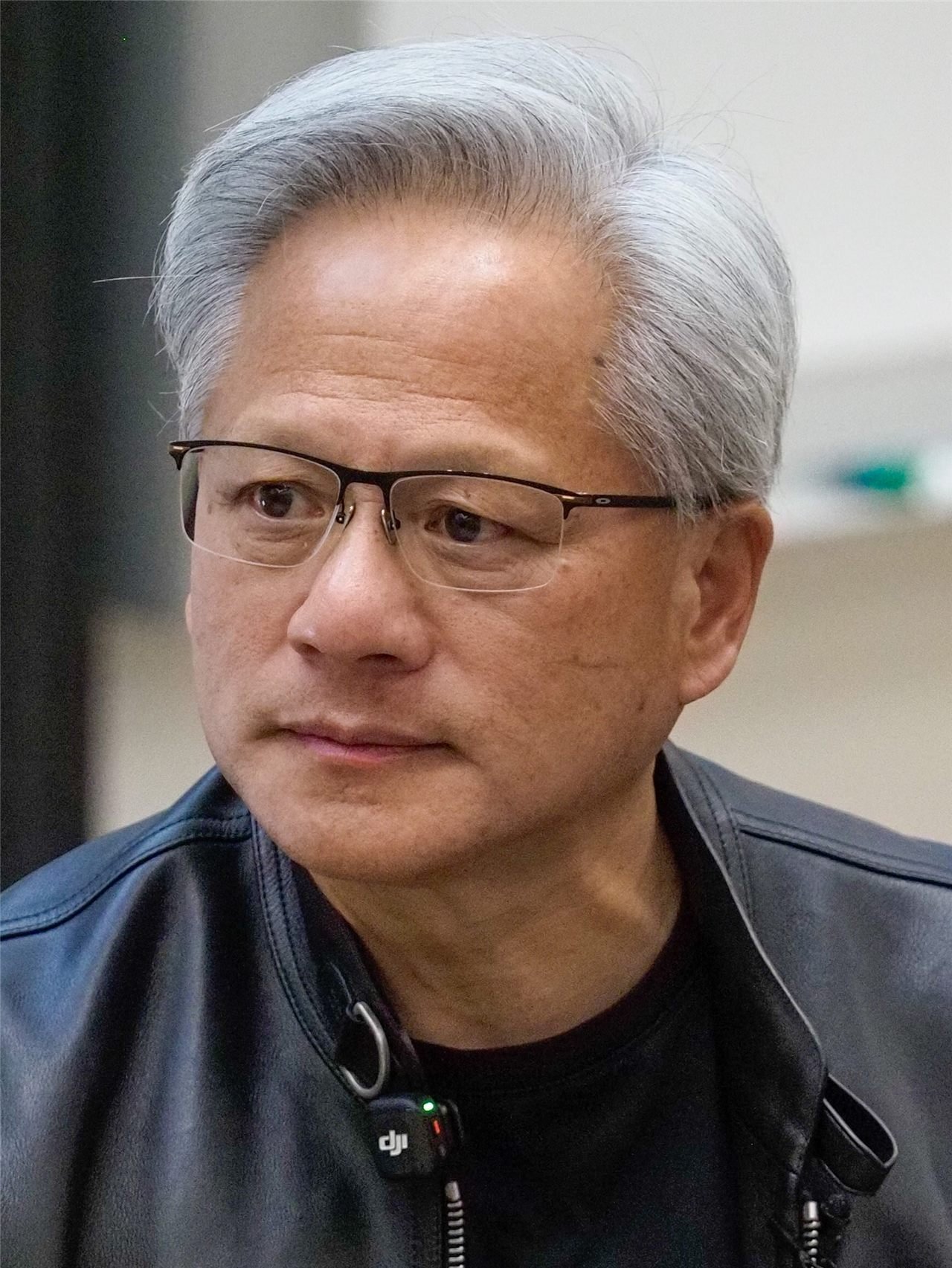
Jensen Huang, the co-founder and chief executive of Nvidia, resigned on Thursday, Nov. 12, effective immediately, the chipmaker said in a press release and a regulatory filing. Colette Kress, Nvidia’s chief financial officer, will serve as interim CEO while the board searches for a permanent successor, according to the company.
Nvidia’s announcement did not say why Huang left. CNBC and Al Jazeera reported that his departure followed several days of scrutiny over his personal relationships and possible national security implications.
What happened
Nvidia said Huang stepped down as president, CEO and member of its board. The board will consider internal and external candidates. It also named Harvey C. Jones, a former CEO and executive chairman of chip-design software firm Synopsys, as the first chair of its board. Jones said in the announcement that the board has full confidence in Kress and the leadership team and expects operations, customer commitments and the product roadmap to continue without interruption.
Kress has been Nvidia’s finance chief since 2013 and previously worked at Microsoft, Cisco and Texas Instruments, according to the company and Al Jazeera. She will keep her CFO role while serving as interim chief executive.
On the preceding Sunday, Huang apologized to his family and employees for being unfaithful to his wife, CNBC reported. CNBC and Al Jazeera said the board began considering his removal after further reports about relationships with Nvidia colleagues. Huang has denied compromising national security or Nvidia’s secrets, according to CNBC.
Allegations and investigations
Reports cited by CNBC say U.S. intelligence believes an executive at Singapore-based Megaspeed, with whom Huang reportedly had a relationship, may have worked for Chinese intelligence. The U.S. government has not publicly presented evidence of espionage, and Al Jazeera noted there is no established evidence that Huang knowingly helped Beijing or that company secrets were compromised. Another report said China called the claims a smear. These allegations are unproven.
Nvidia’s board has hired the law firm Wachtell Lipton to conduct an independent investigation and has said it has no reason to believe national security was compromised, according to the reports. CNBC also reported that the Justice Department is looking into whether groups linked to the Megaspeed executive diverted AI hardware to China. No charges have been announced.
Members of Congress have asked for answers. Rep. Brian Mast, chair of the House Foreign Affairs Committee, said Huang agreed to testify before Thanksgiving, CNBC reported. Sen. Tim Scott asked for public testimony on Dec. 3.
Why it matters for AI
Nvidia supplies the chips that power most advanced AI systems. Its shares fell more than 13% at the open on Thursday and closed down 4.3%, CNBC reported, while Al Jazeera said the drop reached more than 14% at one point. CNBC said the stock is down roughly $2 trillion in market value from its October peak.
The leadership change is also being read in the open-model community. Nathan Lambert, a researcher who writes the Interconnects AI newsletter, argued in a Nov. 14 post that Huang’s funding of open-weight AI models gave U.S. open-source developers time to establish themselves, and that this support will likely dry up. That is Lambert’s opinion, and Nvidia has not announced any change to its open-model programs.
What comes next
Nvidia plans to report third-quarter fiscal 2027 results on Tuesday, Nov. 17, the company said. Investors will look for guidance from Kress and the board. The search for a permanent CEO, the outcome of the board’s investigation and any congressional testimony remain open. Analyst Dan Ives told CNBC he expects Kress to steady the company but said a longer-term leader may come from outside.