Nvidia Pauses AI Server Shipments to Four Southeast Asian Countries
Nvidia has reportedly told Dell and Supermicro to halt AI server shipments to Malaysia, Singapore, Thailand and Indonesia under new US export rules.
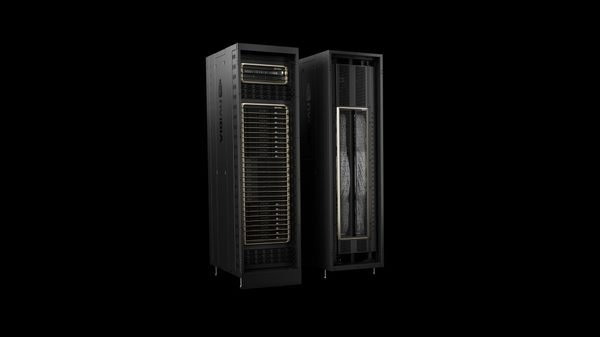
Nvidia has told some of its manufacturing partners to stop shipping servers built with its artificial intelligence chips to Malaysia, Singapore, Thailand and Indonesia. The pause comes as the United States tightens its effort to keep advanced AI computing out of Chinese hands, according to reports published Thursday. The Wall Street Journal reported the move, as summarized by TechCrunch, and the Financial Times reported the same halt citing people familiar with the matter, according to Engadget and the Abu Dhabi-based newspaper The National. Neither summary included a comment from Nvidia.
What happened
Server makers Dell Technologies and Supermicro have told customers in the four countries that Nvidia is not authorizing their orders to be shipped, The National reported, citing the Financial Times. Both companies build complete AI servers around Nvidia’s graphics processing units, or GPUs, the chips that power most large AI systems.
The accounts differ slightly on how long the halt may last. TechCrunch, citing the Journal, said the pause is for an unspecified period while Nvidia checks whether its regional partners meet US export requirements. Engadget and The National, citing the Financial Times, said it is unclear whether the suspension is temporary. The National added that Nvidia and its partners are trying to work out how to comply with Washington’s latest restrictions.
The Financial Times quoted an unnamed cloud provider executive who described the situation as “sheer chaos in the region,” saying no one knows how to apply for the required license “while the 90-day clock is ticking.”
The rule behind the pause
The shipments are caught up in a rule announced on Nov. 16 by the Bureau of Industry and Security (BIS), the arm of the US Commerce Department that oversees export controls. According to Al Jazeera, the rule labels Indonesia, Malaysia, Singapore, Thailand and Brazil as destinations with an “unacceptable risk of diversion,” meaning advanced chips sent there now require a US export license. BIS described the change as a “logical extension” of existing license rules for chip sales to companies based in China.
The target is a practice that had been legal until now. Chinese companies are barred from buying the most advanced Nvidia chips directly, but they could rent computing power remotely from data centers in third countries. Engadget reported that data centers already supplying large amounts of computing to China-based companies, or to others covered by the rule, have 90 days from Nov. 19 to obtain a license if they want to keep doing so.
The scale of that remote access is significant. TechCrunch, citing the Journal, said the Institute for Progress, a Washington-based think tank, estimates that remote data centers like these supply about 24% of China’s AI computing power.
Singapore’s government said it was studying the measure carefully. In a joint statement reported by Al Jazeera, its trade and digital ministries said they were engaging affected companies and US authorities, and that Singapore does not condone companies using the country to “circumvent or violate” other nations’ laws.
Why it matters
Southeast Asia has become a major hub for Nvidia’s business. Demand from Chinese technology companies fueled a data center construction boom across the region, Engadget reported. Nvidia booked $104 billion in revenue through its Singapore subsidiary in 2025, up 72% from a year earlier, according to company accounts cited by the Financial Times. The National noted that Nvidia also books some of its Taiwan and China revenue through that unit, so the figure does not reflect sales in Singapore alone.
The pause threatens to disrupt that growing industry, The National said, and the effects could reach well beyond Nvidia:
- Server makers such as Dell and Supermicro face delayed orders in a fast-growing market.
- Data center operators in the region must seek US licenses with little guidance on how the process works.
- Chinese AI developers lose one of their main legal routes to top-end computing power.
Background: a turbulent month for Nvidia
The halt follows weeks of upheaval at the world’s most valuable chipmaker. Jensen Huang, Nvidia’s co-founder, resigned as chief executive on Nov. 12 after reports of extramarital affairs, Engadget reported. One of those relationships involved a former executive of Megaspeed, a Singapore-based data center company that had leased access to Nvidia chips to Chinese firms. Some US officials suspect she was a Chinese intelligence asset, according to reports cited by Engadget. Beijing has rejected the espionage allegations as “entirely groundless,” Al Jazeera reported. Nvidia reinstated Huang as CEO earlier this week.
US authorities have also moved against Megaspeed directly. The Commerce Department and the Justice Department confirmed a criminal investigation into the company, Al Jazeera reported, and Engadget said Commerce has since added Megaspeed to its Entity List, a trade blacklist that requires US suppliers to obtain a license before shipping it covered goods. The investigation has not resulted in any court ruling.
Investors have reacted sharply to the turmoil. On the day the new rule was announced, Nvidia shares fell 4.1%, and the stock had lost more than 30% of its market value over the previous month, according to Al Jazeera.
What comes next
It remains unclear when shipments will resume or what Nvidia will require from partners before releasing orders. With the 90-day licensing window running and few details on how BIS will process applications, data center operators across Southeast Asia face weeks of uncertainty.