SEC Penalties Sink to About $1.1 Billion, Lowest Since 2008 Crisis
The SEC obtained $1.095 billion in monetary relief in fiscal 2026 and filed 348 enforcement actions, as critics say Wall Street's watchdog has gone quiet.
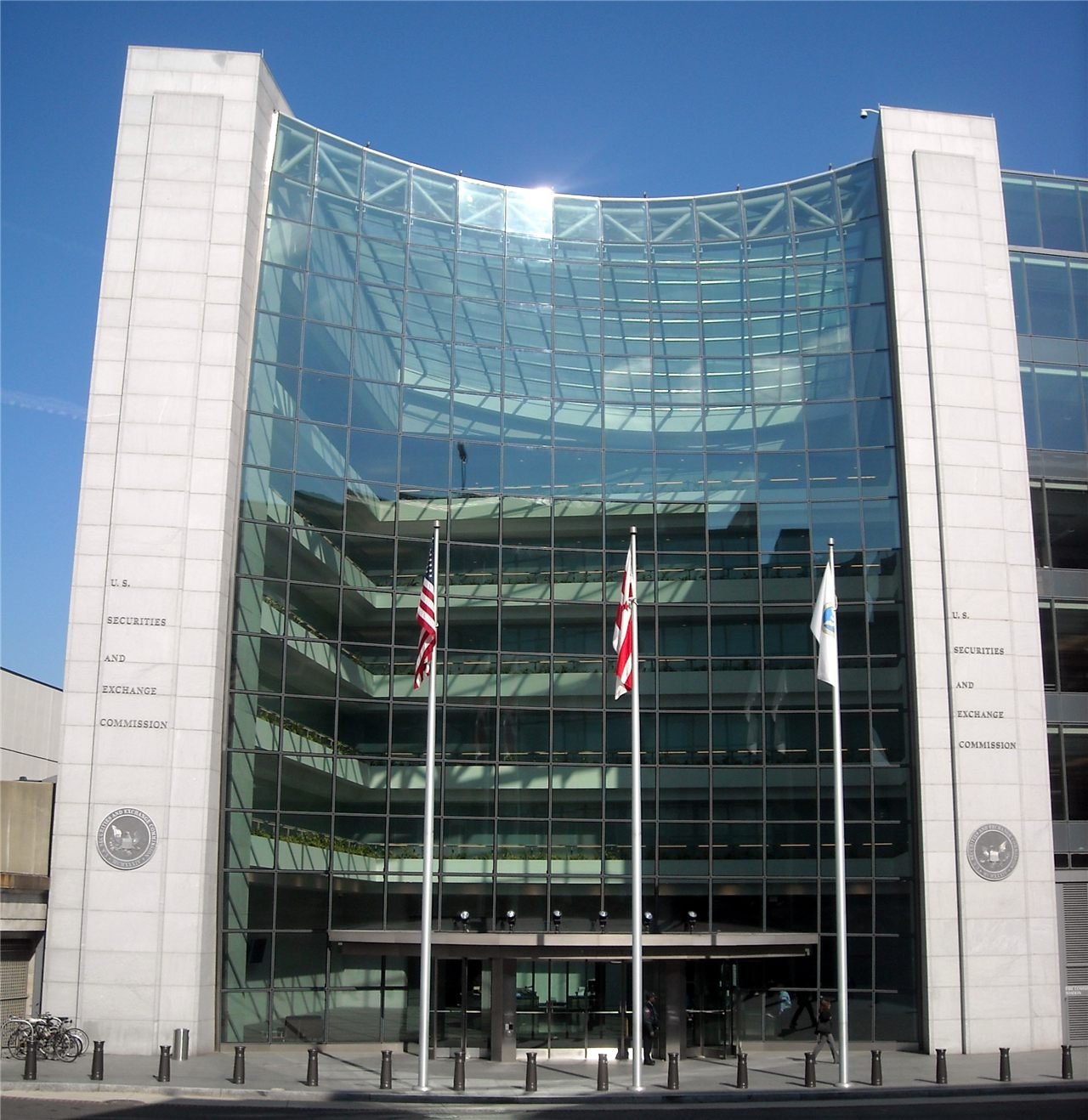
The U.S. Securities and Exchange Commission, the federal regulator that polices Wall Street, collected far less from wrongdoers in its latest fiscal year than at any point since the 2008 financial crisis. The agency said Tuesday it obtained orders for $1.095 billion in monetary relief in the 12 months ended Sept. 30, 2026. The Wall Street Journal described the total as an 18-year low. The SEC also brought 348 enforcement actions, down from 456 a year earlier.
What the SEC reported
In its annual enforcement results for fiscal 2026, released Nov. 10, the SEC said the $1.095 billion was made up of $752 million in disgorgement and prejudgment interest and $343 million in civil penalties. Disgorgement is money that defendants are ordered to give back because it came from misconduct. The agency said a court in a separate, non-SEC case deemed $235 million of the disgorgement already satisfied.
The 348 actions included 235 standalone cases and 113 follow-on administrative proceedings, which are typically used to bar people from the securities industry after they have been sanctioned elsewhere. The agency also issued 13 trading suspensions tied to suspected manipulation of stocks of Asia-based companies.
The SEC highlighted several other figures:
- About $731 million was returned to more than 250,000 harmed investors.
- Two-thirds of standalone actions charged at least one individual.
- The whistleblower office received about 26,000 tips and awarded more than $158 million to 65 people.
- The largest penalties it listed included $100 million against Western Asset Management Company, over a failure to detect a scheme that improperly allocated profitable trades, and $20 million against UBS Financial Services over anti-money-laundering lapses.
Paul Atkins, the SEC’s chairman, said in the release that the agency’s responsibility “is to apply the law fairly and consistently.” David Woodcock, director of the SEC’s Division of Enforcement, said the division had become “more focused, effective, and prepared” to deal with old and new threats to the markets.
A sharp drop from recent years
The decline is steep by any measure. A news report published Tuesday that was widely syndicated put the 348 cases against an annual median of 715 from 2005 through 2025. Atkins has argued that counting cases and dollars misses the point, saying enforcement actions and financial remedies are “not the only or most telling measures” of the agency’s work.
Comparisons with the prior year depend on which baseline is used. The SEC’s fiscal 2025 total was inflated by a final judgment in a Ponzi scheme case first brought in 2009, which pushed reported remedies close to $18 billion. In fiscal 2024, the agency reported a record $8.2 billion, more than half of it from its case against Terraform Labs, a privately held crypto company, Financial Planning reported last year.
Outside analysts saw the slowdown coming. The Brattle Group, an economic consulting firm, said in October that its count of fiscal 2026 actions was 57% below the average for the eight years starting in fiscal 2018, CFO Dive reported. Brattle pointed to persistently low staffing and the record-long government shutdown as factors. The Government Accountability Office, Congress’s audit agency, found the SEC cut its staff by 18% between January and September 2025, according to CFO Dive. Woodcock has said he is comfortable with current staffing levels.
Why it matters
The numbers reflect a deliberate change in direction since Atkins became chairman in April 2025. He has pledged to end what he and other critics called “regulation by enforcement” under his predecessor, Gary Gensler, and has long argued that large corporate penalties end up hurting the shareholders of the companies that pay them. The SEC has dropped high-profile cases against crypto exchange Coinbase and software maker SolarWinds, and says it is concentrating on fraud that causes the most harm to investors.
Investor advocates see it differently. Better Markets, a Washington nonprofit that pushes for tougher financial regulation, said in a statement Tuesday that the SEC brought 25% fewer cases than in fiscal 2025, which was itself a 20-year low. Benjamin Schiffrin, the group’s director of securities policy, argued that the enforcement division should be renamed the “Non-enforcement Division” and said the agency had not offered a clear alternative way to measure its performance.
What comes next
Brattle found that filings picked up sharply in the second half of the fiscal year, especially in September, which could signal a busier pipeline under Woodcock, who took over the enforcement division in May 2026. Insider trading accounted for 12.3% of the actions Brattle counted, its highest share since fiscal 2018. For public companies, though, the risk of large SEC penalties is now lower than it has been in nearly two decades, and the debate over whether that protects shareholders or leaves investors exposed is likely to continue in Congress.