Sequoia Closes London Office, Ends Arc and Scouts in Major Reset
Sequoia Capital is shrinking back to a Bay Area-centered firm, closing London and ending Arc and Scouts while saying it raised about $10 billion.
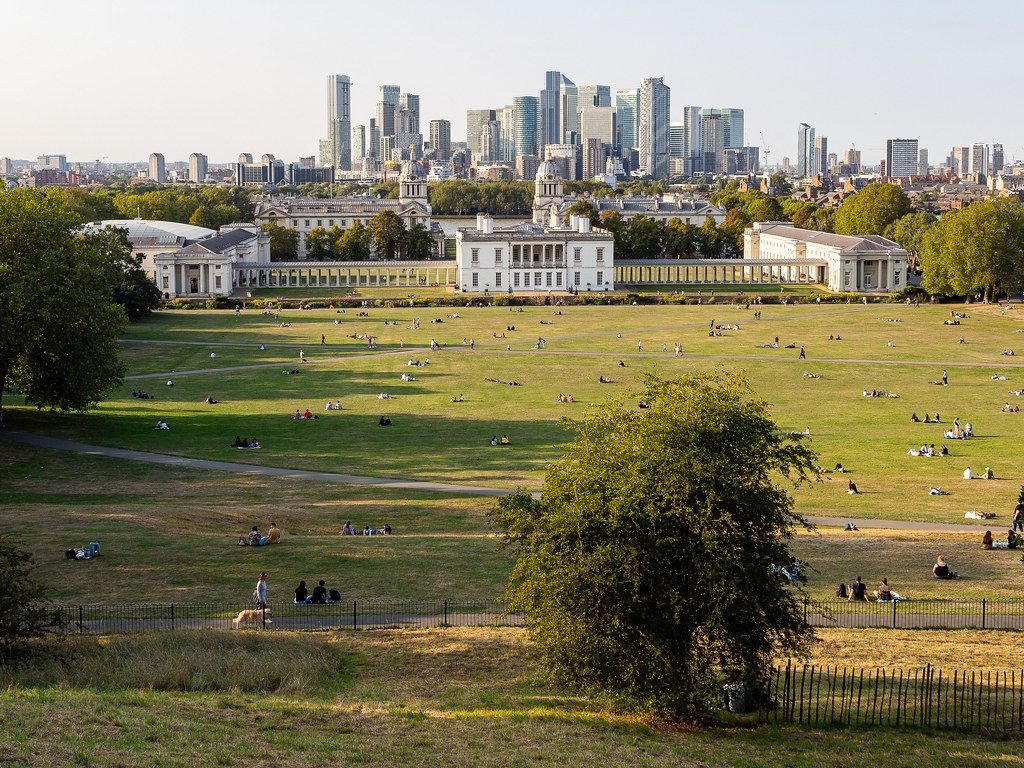
Sequoia Capital, the Silicon Valley venture capital firm behind early bets on companies such as Apple, Google and Stripe, said Wednesday that it is closing its London office, shutting down two well-known startup programs and merging its investing teams. The firm also said it has raised roughly $10 billion in new funds. In a memo posted to X titled “The Sequoia of Tomorrow,” the firm described the changes as a return to a smaller, more selective way of investing after about two decades of expansion.
What happened
According to TechCrunch, which first detailed the memo, the overhaul reverses much of what Sequoia built over the past 20 years. ShiftDelete.Net and the crypto news outlet ChainCatcher reported the same core changes. Among them:
- London office closing: The European base, opened in 2020, will shut, and several people will leave the firm. Sequoia said it will back European founders from its home in the San Francisco Bay Area.
- Arc ending: Arc, an accelerator launched in March 2022, ran seven-week group programs for very young startups. TechCrunch described it as Sequoia’s answer to Y Combinator, the startup accelerator, and reported that admitted companies got $500,000 to $1 million up front.
- Scouts ending: Started around 2009, the Scouts program gave founders and operators small sums to invest on Sequoia’s behalf. TechCrunch reported that scouts helped steer Sequoia toward Uber and Stripe.
- One team: Sequoia is dropping its split between early-stage and growth-stage investing. “There is only Sequoia,” the memo said, according to ShiftDelete.Net.
- Flatter structure: The firm said it has flattened its partnership, simplified the Sequoia Capital Fund, its long-term investment vehicle, and ended its traditional weekly Monday partner meeting.
On London, the memo said the decision did not reflect on the staff there. “This is not about the team,” the firm wrote, adding that it simply does not “see the need for a local presence.” On scrapping the Monday meeting, TechCrunch quoted the memo as saying: “Founders operate 24/7, and so do we.”
Who runs the firm now
The memo is signed by seven general partners who now own and operate Sequoia: Alfred Lin and Pat Grady, who TechCrunch said serve as the firm’s co-stewards, along with Andrew Reed, Shaun Maguire, Konstantine Buhler, Sonya Huang and David Cahn. ShiftDelete.Net and ChainCatcher both reported that the group named artificial intelligence, space, biology and reindustrialization, meaning the rebuilding of domestic manufacturing, as its focus areas.
Luciana Lixandru, whom Sequoia hired from rival firm Accel in 2020 as its first partner in Europe, was offered a move to San Francisco but chose to stay in Europe, according to TechCrunch and ShiftDelete.Net. Both outlets reported that she remains a partner, keeps her company board seats and will invest personally in European founders.
TechCrunch also described other personnel shifts. Jess Lee, who oversaw Arc, is now listed as chief product officer, an operating role, not an investing one. Stephanie Zhan, a partner since 2015, has left to start her own firm, the outlet reported.
Why it matters
Sequoia is one of the most influential names in venture capital, and its moves are often watched as a signal for the rest of the industry. The firm said in the memo that its expansion into “multiple businesses in multiple geographies” had an unintended side effect: more hierarchy. Its stated aim now is “not scale, but quality,” with a focus on returns for its limited partners, the pension funds, endowments and other institutions that invest in its funds.
The London retreat follows similar moves by peers. TechCrunch noted that Andreessen Horowitz closed its London office last year and that the investment firm Coatue closed its own in 2024. The outlet said Sequoia’s decision suggests the industry’s center of gravity is shifting back to the Bay Area, where much of the current wave of AI startups is based. TechCrunch added, however, that Sequoia did not say it would stop funding European companies.
The memo itself acknowledged risk. “It is scary to break something that’s already working just fine,” the firm wrote, according to TechCrunch.
Background
The reset comes about a year after a leadership change at the firm. TechCrunch reported that Roelof Botha was voted out as Sequoia’s senior steward last fall and cut ties with the firm this summer. Sequoia had already narrowed its global footprint in 2023, when it split off its China and India/Southeast Asia businesses into independent firms now called HongShan and Peak XV Partners.
The sources did not say how the roughly $10 billion in new money is divided among funds. TechCrunch noted that Sequoia has a long history of changing how it operates, and that it will take time to judge whether the latest changes pay off.