Snap’s $2,195 Specs AR Glasses Near Launch, Lighter but Still Unproven
Snap's Specs AR glasses head to market this fall at $2,195. Testers say they're more comfortable, but their purpose is still unclear.
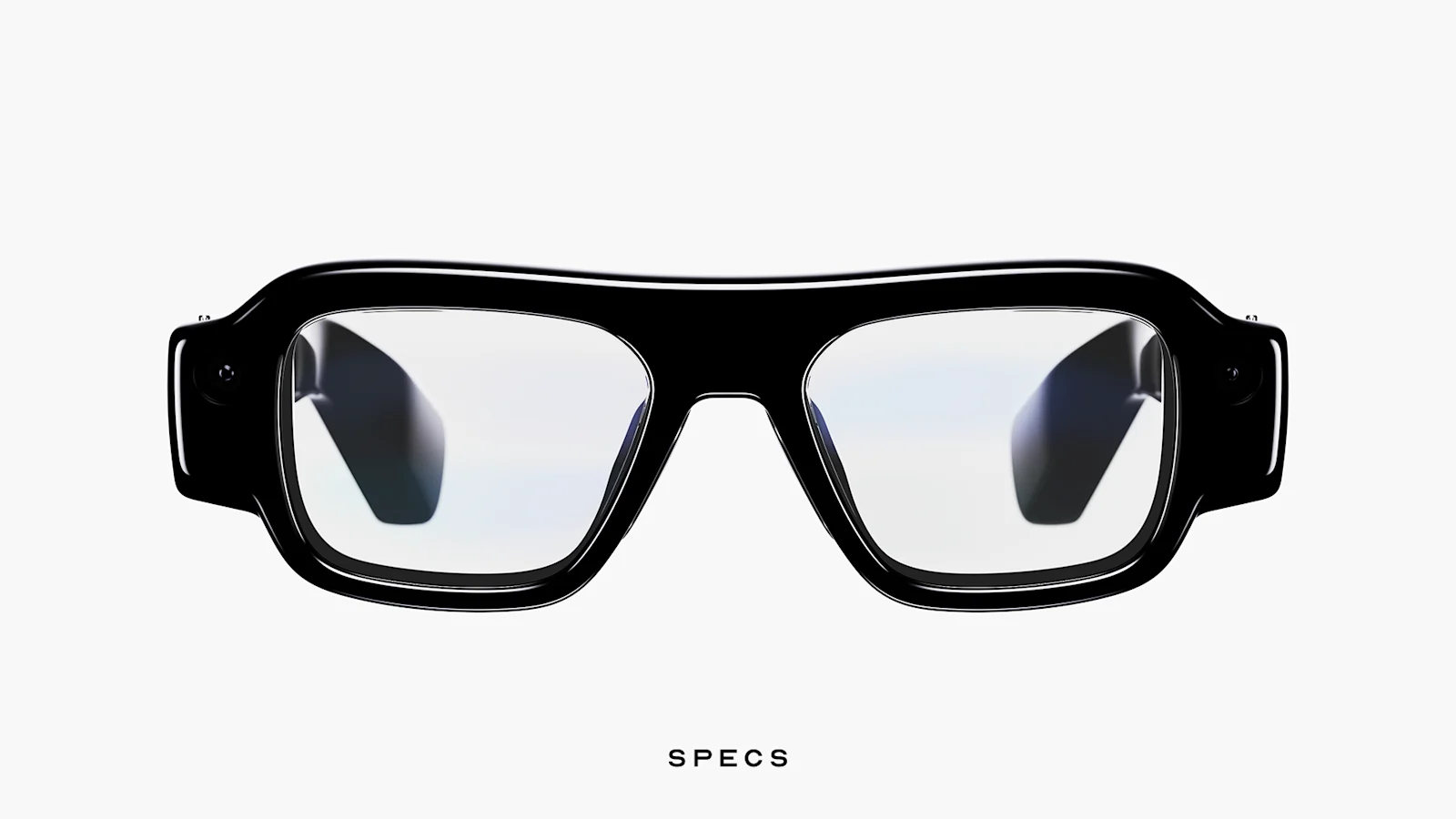
Snap Inc., the company behind the Snapchat messaging app, is getting ready to ship Specs, its first augmented-reality glasses for everyday consumers, at a starting price of $2,195. Early testers say the hardware has improved a lot since its prototype days. The open question is whether shoppers will pay laptop-level prices for a device whose main purpose is still unsettled.
In a hands-on report published Sunday, TechCrunch senior writer Lucas Ropek said the glasses that are about to go on sale are much more comfortable than the version he tried at the CES trade show in January. He also wrote that the product still lacks a clear reason to exist for most buyers.
What Snap is selling
Evan Spiegel, Snap’s co-founder and chief executive, unveiled the consumer version of Specs in June at Augmented World Expo (AWE), an annual industry conference for augmented and virtual reality. Preorders opened then with a refundable $200 deposit, according to The Gadgeteer, a consumer technology site. Snap has said the glasses will ship this fall in the United States, the United Kingdom and France. Coverage reviewed for this article did not include a firm delivery date.
According to the specifications The Gadgeteer reported, the glasses include:
- A weight of 132 grams for the 47mm frame and 136 grams for the 52mm frame
- A display with a 51-degree field of view, driven by two Qualcomm Snapdragon processors
- Up to four hours of mixed use per charge, with a charging case that brings the total to about 20 hours
- Lenses that tint electronically in about 10 seconds, plus hand-tracking and voice controls
- Snap OS, the company’s own operating system, which runs AR apps that Snap calls Lenses
Snap describes Specs as a “new kind of computer,” TechCrunch reported. It is marketing the glasses as a way to turn almost any location into a flexible workspace with virtual screens. TechCrunch said features include integrations with HBO Max and YouTube, photo and video capture, and “spatial syncing,” which lets two wearers see the same content at once. For privacy, The Gadgeteer reported, an LED lights up when the glasses are recording, and users control camera and microphone permissions in the software.
Lighter, but still searching for a purpose
Ropek wrote that the shipping glasses weigh close to half as much as the roughly 8-ounce prototype he wore at CES. He said an hour-long demo didn’t cause the overheating or facial tingling he felt with the earlier unit. Two frame sizes and spring hinges also help the fit, he reported.
The software pitch left him less convinced. When he asked Snap staff whether Specs was mainly for entertainment or for productivity, he got a vague answer, he wrote. He saw the most value in watching video while traveling, reading and making shareable clips. He doubted the glasses would catch on as a work tool or as a mainstream gaming device, noting that they cost far more than a game console such as Microsoft’s Xbox.
A costly bet for a company that has never turned a profit
Spiegel has pitched Specs as a bet on a post-smartphone future, The Gadgeteer reported, citing an interview he gave CNBC. He has also argued that people are tired of staring down at small phone screens. Entrepreneur magazine reported that Spiegel calls Specs a wearable computer rather than a pair of glasses and says the price is reasonable next to a high-end laptop.
Investors and analysts were more cautious. Entrepreneur reported that Snap has lost money every year since it went public, that its shares fell more than 5% after the June announcement, and that the stock was down about 30% over the previous year. Analysts quoted by the magazine questioned whether Snap’s young core audience could afford a device over $2,000.
The company has struggled with eyewear before. Its first Spectacles, a camera-only model released in 2016, sold poorly, and Specs costs more than 15 times as much, Entrepreneur noted. Snap says Specs is its sixth generation of Spectacles hardware and the first aimed at general consumers, The Gadgeteer reported.
What comes next
Specs will enter a crowded and expensive field. The Gadgeteer placed the glasses between Meta’s $799 Ray-Ban Display glasses and Apple’s $3,499 Vision Pro headset. It also noted that Apple is widely reported to be developing its own smart glasses. Snap has not said in detail which apps will be available on day one. Outside reviewers have not yet tested all-day comfort, outdoor visibility or real-world battery life, so those questions will likely shape how Specs is judged once units reach customers.