SpaceX Starship Reaches Orbit, but Booster Catch Is Called Off
Starship's 15th test flight put its upper stage in orbit with 26 Starlink satellites, but the Super Heavy booster aborted its tower catch and fell into the Gulf.
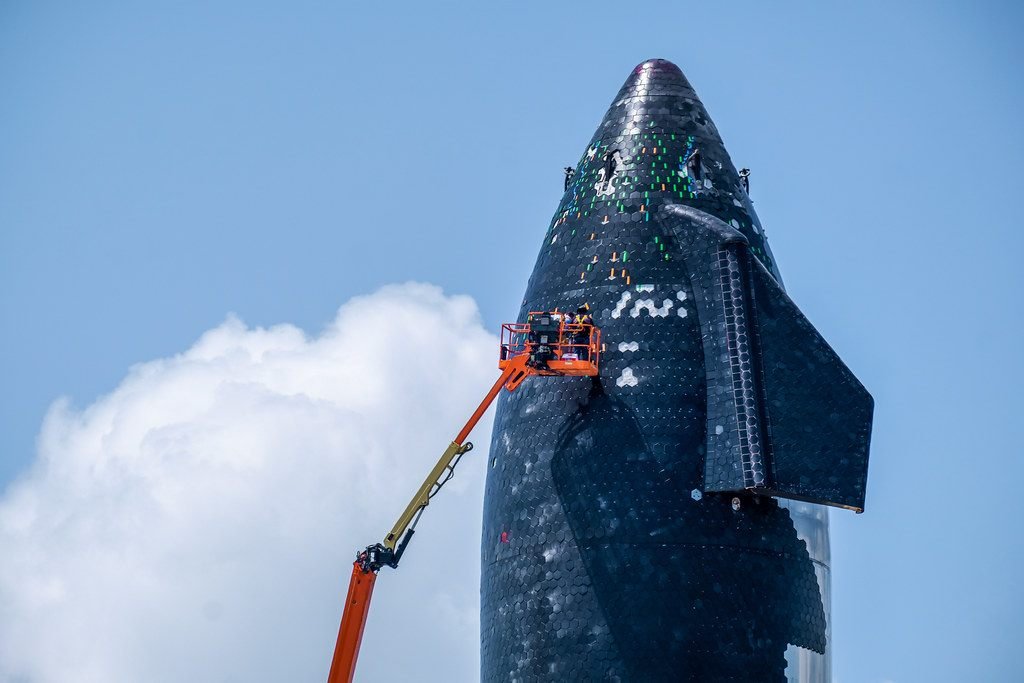
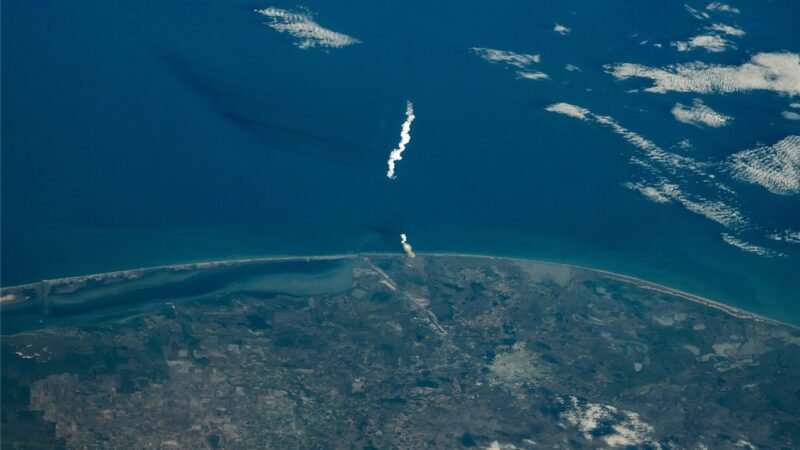
SpaceX’s Starship, the largest rocket ever flown, reached orbit on its 15th test flight on Friday, but the company’s bid to recover both halves of the vehicle in a single mission fell short when the giant Super Heavy booster called off its own return to the launch tower and crashed into the Gulf of Mexico. The upper stage, known as Ship 42, released 26 Starlink internet satellites and stayed in orbit ahead of a planned first-ever attempt on Saturday to catch a Starship spacecraft with the tower’s mechanical arms.
What happened
The rocket lifted off at 4:47 p.m. local time (5:47 p.m. ET) from the second orbital launch pad at Starbase, SpaceX’s rocket factory and launch site on the South Texas coast near Boca Chica, CNBC reported. The flight paired Booster 22 with Ship 42, both part of the newer, upgraded version of the vehicle that SpaceX calls Version 3.
Under the flight plan, the booster was supposed to fly back to the launch site about six and a half minutes after liftoff and be snagged by the tower’s so-called chopsticks, a pair of giant arms designed to grab the rocket out of the air. Instead, it diverted to a backup splashdown offshore. Dan Huot, a SpaceX communications official who hosted the company’s webcast, said the booster had initially been cleared for a catch but “aborted itself” late in its coast phase after detecting a guidance, navigation and control problem, according to Spaceflight Now.
Spaceflight Now reported that the booster exploded and briefly vanished from view before leftover propellant burned near the water’s surface. CNBC described the booster as bursting into flames in the Gulf, while The Next Web, citing Spaceflight Now, said it blew up just before reaching the water.
The upper stage fared better. Ship 42 continued to orbit, deployed its batch of 26 Version 3 Starlink satellites and began a long coast of roughly 14 trips around the Earth. Spaceflight Now said the ship was scheduled to return to the launch site about 22.5 hours after liftoff, around 3:20 p.m. local time on Saturday.
Why it matters
Recovering both stages would be a major step toward a fully reusable rocket, which SpaceX says is essential to cutting launch costs and to its long-term goal of carrying cargo and people to the Moon and Mars. SpaceX has caught a Super Heavy booster with the tower three times before, but none of those catches involved the newer Version 3 booster, Spaceflight Now and The Next Web both noted. No company has ever caught an orbital-class upper stage.
Starship also matters to SpaceX’s most profitable business. Starlink, the company’s satellite internet service, already has more than 11,000 active satellites in low Earth orbit, according to CNBC. SpaceX says a single Starship can carry up to 60 of the larger Version 3 Starlink satellites, about 20 times what its workhorse Falcon 9 rocket can lift. The previous Starship flight also released 26 of the new satellites.
Analysts at the investment firm William Blair wrote in a note cited by CNBC that SpaceX is “likely a full decade ahead of peers” in reusable rockets, and that even an unsuccessful catch would mean only a delay of a few months that is “not that consequential.”
Background
Friday’s mission was only the second time Starship has reached orbit. On the first orbital flight in September, an engine failure forced SpaceX to bring the ship down early, The Next Web reported, and Spaceflight Now said that mission ended with a splashdown north of Hawaii after about three hours.
The Federal Aviation Administration, which licenses commercial launches, authorized Friday’s flight earlier that day. Hours later, the agency issued a nationwide ground stop for airline departures after communication problems hit several air traffic control centers. An FAA spokesperson told CNBC the disruption did not affect SpaceX’s launch license.
The flight came during a difficult week for SpaceX on another front. CNBC noted that Volodymyr Zelenskyy, the president of Ukraine, said his country’s military had again faced unannounced limits on Starshield, the military version of Starlink, which he said hurt its ability to defend against Russian air attacks. Some U.S. senators have criticized the restrictions and urged Congress to investigate.
What comes next
The outcome of the ship catch was not yet known at the time of publication. SpaceX built safeguards into the orbital phase of the mission. According to Spaceflight Now, the company can choose to bring the ship down at precleared ocean sites near Hawaii or off the coast of Chile if a return to Starbase looks unsafe, and the ship’s route home would cross Mexico and South Texas.
- Booster: catch aborted after a guidance fault; destroyed in the Gulf of Mexico.
- Ship: reached orbit and deployed 26 Starlink satellites.
- Next milestone: first attempt to catch a Starship upper stage at the tower on Saturday.
A successful catch would give SpaceX its first recovered Starship spacecraft. A failure would add to the list of lessons from a test program that has repeatedly pushed hardware to its limits.