United Airlines Bars Personal AI Agents From Booking Its Flights
United changed its ticketing rules to block third-party AI assistants from buying its flights, citing security, privacy and federal aviation rules.
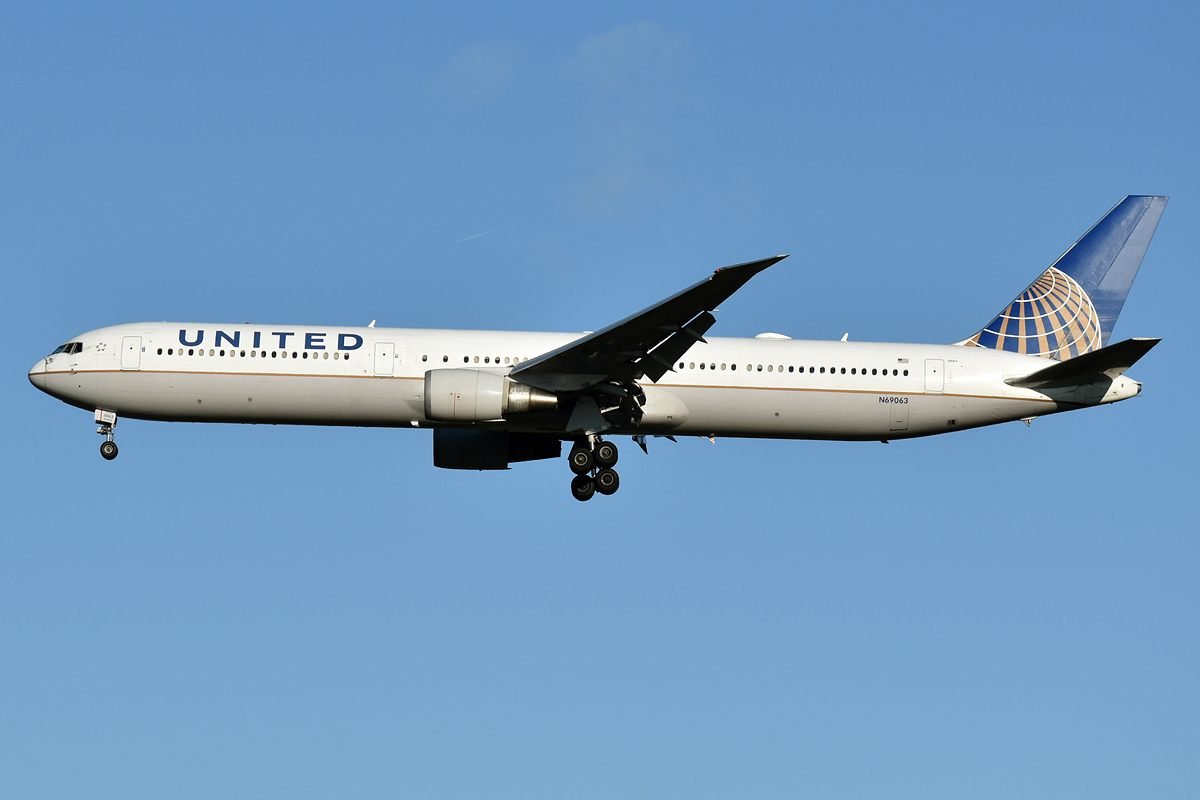
United Airlines said on Wednesday that it will block unauthorized, third-party AI agents from booking its flights. The rule covers its own website and app, and also bookings made through travel agencies and flight aggregators. Skift and the travel site Thrifty Traveler both reported that this makes United the first U.S. airline to say outright that it will restrict personal AI assistants. Those are software tools that can browse, choose and pay for things on a user’s behalf.
What happened
United said it is updating its booking, ticketing and distribution policies to bar use by “unauthorized, third-party personal AI agents or assistants,” according to Skift. The trade publication PPC Land reviewed the airline’s contract of carriage, the legal document that sets the terms between an airline and its passengers. It found a new rule, 6.J.6, that lists “the use of AI Agents to make, modify or service a Ticket, and/or to purchase any service or product” as a prohibited practice.
PPC Land also reported that another provision, Rule 5.H, now puts reservations made or changed by AI agents among the bookings United may cancel without notifying the passenger. The contract defines AI agents broadly. It covers software that acts on its own or partly on its own, whether or not a person supervises or approves what it does. The revised contract is dated Nov. 11, 2026, and PPC Land noted that it does not give a separate start date for the new provisions.
The ban has limits. Thrifty Traveler reported that AI assistants can still search for and display United’s flights and fares, but they cannot complete the purchase. The traveler has to do that. Thrifty Traveler named Meta’s Muse agent and xAI’s Grok as examples of the tools affected.
United’s reasons
The airline gave two main reasons. The first is security and privacy. Engadget reported that United warned that handing an agent payment details or login credentials could lead to “unintended purchases, account changes or use of MileagePlus miles,” referring to the carrier’s frequent-flyer program.
The second is regulation. United said bookings completed automatically by AI tools could conflict with rules from the Federal Aviation Administration and the Department of Transportation. All three outlets pointed to check-in as an example: a person has to confirm that their bags hold no banned items such as explosives, and software cannot make that declaration for them.
United said it has not seen many customers try to book through AI agents so far. Skift reported that the airline plans to review the policy as personal assistants develop, and to explain the restrictions on its Digital Trust Center web page.
Comments from Scott Kirby, United’s chief executive, point to a business concern as well. At an event in Chicago on Tuesday, Kirby said, “To be honest, I don’t want to create another middleman,” according to The Wall Street Journal, as cited by Engadget, Skift and Thrifty Traveler. Thrifty Traveler argued that keeping control of the direct customer relationship and pricing appears to be a major motive alongside the stated safety concerns. United has framed the decision as a matter of security and compliance.
How other companies are responding
Airlines and retailers are split on agent-driven shopping. Thrifty Traveler reported that Delta Air Lines lets AI assistants complete bookings once they are authenticated, with extra safeguards for sensitive transactions such as trips for unaccompanied minors. Skift reported that Delta’s chief executive, Ed Bastian, has said he is “cautious” about AI agents in booking.
Southwest Airlines has released a plug-in for OpenAI’s ChatGPT. The outlets describe it differently. Engadget said it lets users book flights inside the chatbot. Thrifty Traveler described it as a search tool and said it was unclear whether purchases are allowed.
Outside aviation, Engadget noted that JPMorgan Chase and Amazon also block AI agents from their products. PPC Land reported that Amazon cut off Meta’s Muse agent from buying on Amazon.com in September. Walmart, by contrast, set terms in October for outside agents, including spending limits chosen by the customer. Meanwhile, Skift reported that OpenAI bought Odessia, a startup that builds an AI travel agent, on Tuesday. Skift also noted that Meta chief executive Mark Zuckerberg has called travel a “top use case” for Muse.
Why it matters
Tech companies are betting heavily on “agentic commerce,” where AI assistants carry out purchases for people instead of only answering questions. United’s move shows the resistance they may face from businesses that want to keep a direct relationship with their customers.
So far, consumer use looks limited. Engadget pointed to Uber’s latest earnings call, where the company said it handled 320 million trips and deliveries during the week of Halloween. Of those, AI agents accounted for about 500 Uber Eats orders and only four rides.
Even so, the policy could become a test case for the travel industry. If other carriers follow United, AI assistants may be left to find fares while the final purchase stays with the traveler. If rivals keep accepting agent bookings, United risks losing customers who prefer to let software handle their trips.