US Memo Alleges Nvidia CEO Jensen Huang Dated Suspected Chinese Spy
A classified US memo reportedly says Nvidia's CEO had a romantic tie to a suspected Chinese intelligence asset. Nvidia declined to comment on the claim.
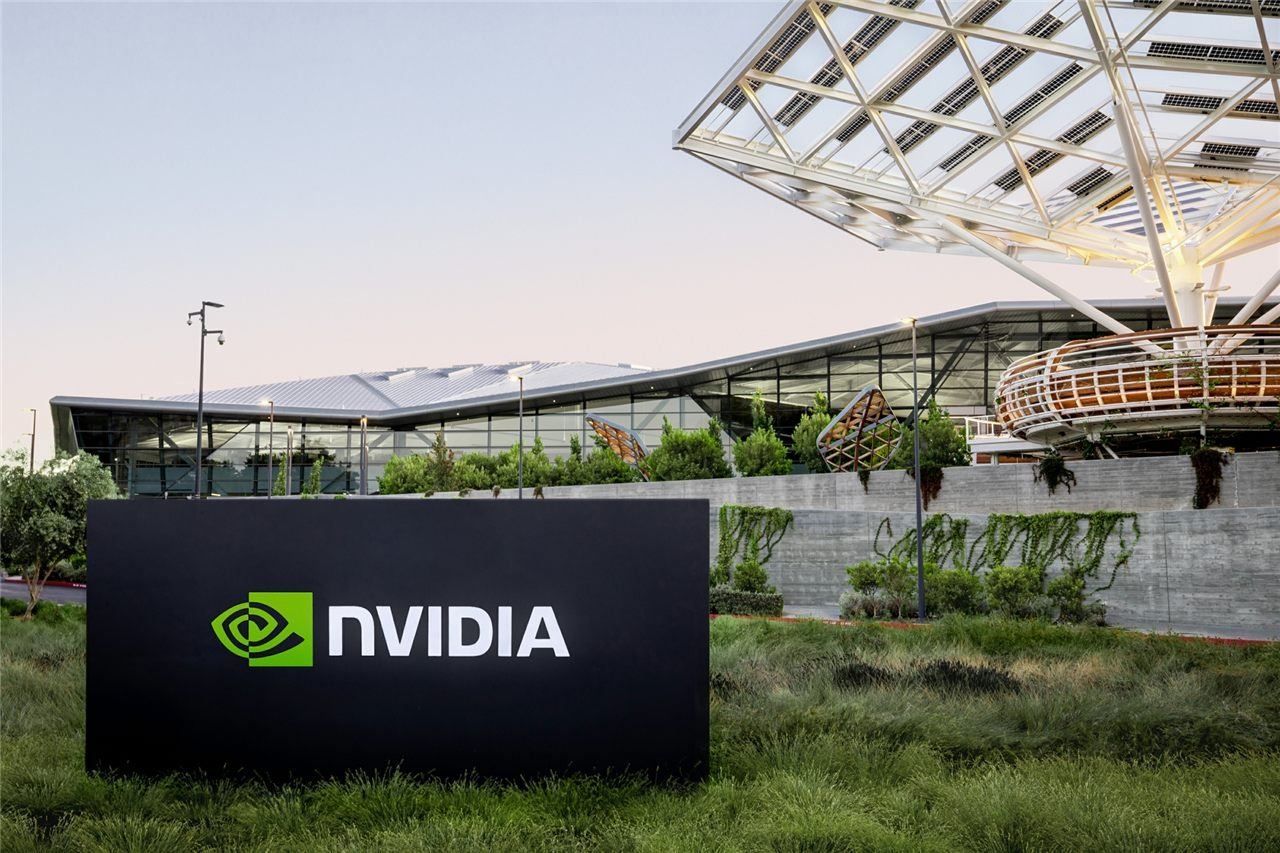
US intelligence agencies believe Jensen Huang, the co-founder and chief executive of chipmaker Nvidia, had a romantic relationship with a Chinese national they suspect was recruited to spy for Beijing, the Financial Times reported on Saturday. The newspaper cited people familiar with a classified government memo. The allegation has not been made public by any official, no charges have been announced, and Nvidia declined to comment on the memo or the claim of a personal relationship.
What the memo reportedly says
According to the Financial Times account, as relayed by Investing.com and Seeking Alpha, the memo was drafted earlier this year and shared with a small group of senior US officials shortly before President Donald Trump traveled to Beijing for a summit with Chinese leader Xi Jinping.
The woman at the center of the report is Alice Huang, an executive at Megaspeed International, a Singapore-based data center operator that buys Nvidia chips. She is not related to the Nvidia chief. US intelligence reportedly assesses that she was recruited by China’s Ministry of State Security, the country’s main civilian spy agency. She could not be reached for comment, Investing.com reported, and neither she nor Megaspeed answered an earlier request from ABC News.
The White House and the Central Intelligence Agency declined to comment to the Financial Times. Nvidia pointed to earlier statements that its chief executive meets “thousands of customer executives every year.”
How the story developed
Saturday’s report goes further than one published by The New York Times on Oct. 29. The Times reported that US spy agencies had concluded the year before that the Megaspeed executive was passing information to Beijing while building a “close relationship” with Huang, The Hill reported. That story cited anonymous people briefed on the surveillance, who said officials were worried she might be gathering information about Nvidia.
The Times also reported that Trump was briefed on the findings but took no further action. According to that account, he was reluctant to interfere with Nvidia’s chip sales or with trade ties between the US and China. The Times said Huang had not received a defensive briefing, the kind of warning US officials sometimes give people they believe are being targeted by foreign intelligence.
Nvidia pushed back at the time. A spokesperson said Huang’s dealings with the executive were “not unusual or unexpected,” and that Megaspeed was similar to other regional cloud customers. Those customers receive “ordinary business information,” the company said, not trade secrets and nothing relevant to national security. Nvidia added that it was confident the US government would tell it if it saw anyone as a threat to American industry. Separate claims that chips had been diverted through Megaspeed were “thoroughly investigated and debunked last year,” the spokesperson said.
China rejected the earlier report. Guo Jiakun, a spokesperson for China’s Foreign Ministry, called the claims “baseless and purely slanderous smears against China” at a press briefing, ABC News reported.
Why it matters for Nvidia and investors
Nvidia is the leading supplier of the processors used to build artificial intelligence systems, and it sits at the center of tension between Washington and Beijing over access to advanced technology. The allegations add a political and security dimension to a company already under scrutiny over its business with China.
- Export controls: Federal investigators are looking into Southeast Asian companies suspected of diverting advanced AI chips to China in breach of US export rules, Investing.com reported. Megaspeed, which was spun off from a Chinese gaming company in 2023, has drawn closer scrutiny. Nvidia has said its own review found no evidence of wrongdoing.
- Ties to the White House: Huang has advised Trump on the AI race with China and attended a September state dinner for Xi at the White House, according to ABC News. In January, he persuaded Trump to allow sales of advanced chips to China under a deal that gives the US government 25% of the profits. ABC News also noted that Trump personally owns Nvidia shares.
- Continued sales: Companies linked to the Megaspeed executive have kept buying Nvidia chips, The Hill reported, citing the Times’ anonymous sources.
The news arrives during a rough stretch for AI stocks, which have come under heavy selling pressure in recent weeks as investors question how long the industry’s spending boom can last.
What comes next
Pressure from Congress is growing. The day before the Financial Times report, senior Republican lawmakers asked Huang to attend a closed-door briefing with the House committees on China, foreign affairs and intelligence, according to Investing.com. They want answers about the Times report that US counterintelligence saw him as the target of a Chinese influence operation, and they are examining Nvidia’s internal security practices.
Much remains unverified. The memo has not been released, the accounts depend on anonymous sources, and none of the outlets that relayed the Financial Times story said they had seen the document. Nvidia has not addressed the reported relationship directly. Beijing calls the broader allegations groundless.