Visa, Mastercard, JPMorgan Customer Data Leaked in Vendor Hack
Ransomware group n0n leaked data on thousands of Visa, Mastercard and JPMorgan customers via third-party vendors. The firms say payment networks are unaffected.
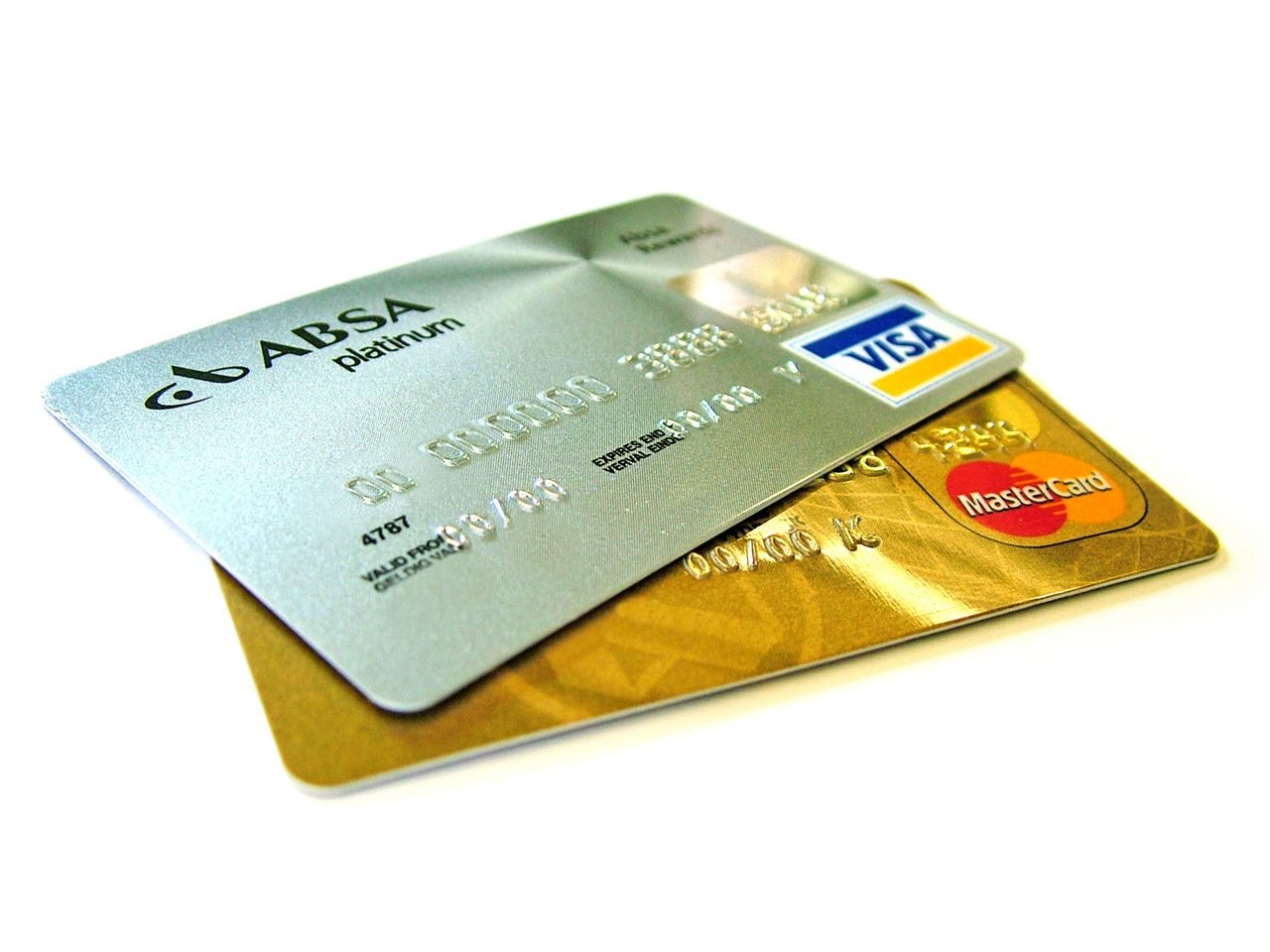
Data belonging to thousands of customers of Visa, Mastercard and JPMorgan Chase was leaked online on Thursday, Nov. 19, after a ransomware group said it had stolen it from outside service providers that work with the three financial giants, The Wall Street Journal reported, according to Investing.com. All three companies said their payment networks and customer services were not disrupted, and none of them named the third-party firm that was breached.
What happened
The group behind the leak calls itself n0n. It listed Mastercard, Visa and JPMorgan Chase on its dark-web leak site on Nov. 16 and gave them 48 hours to pay before it would publish the files, according to an analysis by Ostorlab, a cybersecurity company that tracks such claims. The listing was marked “not paid.” The Journal attributed the claim of responsibility to SOCRadar, a threat intelligence firm, Investing.com reported.
The companies’ accounts of what was exposed differ in detail:
- Visa said the incident came from a third-party service provider in the Asia-Pacific region. A spokesman said Visa’s own systems “were not involved and were not impacted” and that there was no indication payment data such as card numbers had been affected.
- Mastercard said the breach exposed a “limited amount of information from a subset of cardholders enrolled in a specific benefit program.” A spokesman said the exposure was contained and did not affect its network or cardholders’ ability to use their cards, Investing.com reported, citing the Journal.
- JPMorgan Chase said outside service providers had been targeted. A spokeswoman said attackers were believed to have accessed marketing data, potentially including customer names and email addresses.
Ostorlab said n0n’s listing for Chase claimed three sets of material: engagement records tied to a premium “Reserve” card program, including tens of thousands of cardmember email addresses; a member directory with program labels and postal codes; and branded campaign emails. The group gave no record counts for Visa or Mastercard. None of the claims described in the reports mentioned card numbers, expiration dates or security codes.
Unrelated to this week’s Chase outage, banks say
The leak listing appeared on the same day some Chase customers reported service problems. JPMorgan told Reuters that the disruption was caused by “a software bug in on-premise hardware systems” and that there was no evidence it was cyber-related, according to TechRadar. The bank said customer accounts and funds remained accessible. The Journal reported that the data leak was not connected to the banking issues earlier in the week.
Ostorlab noted that the listing went up roughly 2 hours and 44 minutes before outage reports for Chase began rising on Downdetector, a website that tracks service disruptions, but cautioned that the timing alone does not show the two were linked. The firm also said that, as of Nov. 18, the evidence it reviewed did not establish that n0n had breached the three companies themselves, consistent with the companies’ statements that the intrusion happened at vendors.
Who is n0n
n0n is a relatively new ransomware operation that emerged in September 2026, TechRadar reported. It uses a “double extortion” approach: stealing data and encrypting a victim’s systems, then threatening to publish the files on a leak site hosted on the Tor anonymity network unless a ransom is paid.
Security researchers describe a fast-growing group. SOCRadar counted 93 victims across 27 countries by Oct. 15, while Check Point, an Israeli-American cybersecurity company, reported more than 170 victims by early November and ranked n0n among the three most active published ransomware actors, with 8% of October attacks, according to Ostorlab. Ransomnews, a site that tracks leak postings, has recorded 365 victims in under three months, TechRadar said, including dozens in the pharmaceutical sector.
According to SOCRadar’s research cited by TechRadar, the group mainly gets in using stolen login credentials, exposed cloud access keys and vulnerable remote-access systems rather than sophisticated software exploits, and shows signs of using AI coding agents to build its tools. ZeroFox, another threat intelligence firm, described n0n as financially motivated and opportunistic, with low to medium technical sophistication. Ostorlab said n0n had posted ransom demands totaling $283.7 million by Oct. 19. The group also claimed data from Expedia, which confirmed a supply-chain attack through a third-party data vendor earlier in November.
Why it matters
Visa, Mastercard and JPMorgan Chase sit at the center of the U.S. payments system, and the incident highlights how much customer information flows through marketing agencies, benefit-program operators and other contractors outside the companies’ own defenses. Even without card numbers, security specialists warn that names, email addresses and program details can help criminals write convincing phishing messages that impersonate a bank or a card rewards program.
Key questions remain open, including which Asia-Pacific provider Visa was referring to, whether the same vendor serves Mastercard or Chase, how many records were taken and whether all of the published material is genuine. None of the three companies has said how many customers in total were affected.