Voters Back Abortion Rights, Tighten Voting Rules in Ballot Measures
Voters in 39 states decided 146 ballot measures, protecting abortion rights in three states and tightening voter ID rules while a California wealth tax trailed.
Voters across the United States handed abortion-rights supporters a string of victories in Tuesday’s midterm elections, while also approving stricter voter identification rules, new limits on transgender athletes and care in several states, and a wave of local restrictions on data centers. In all, voters in 39 states, plus Washington, D.C., and the Northern Mariana Islands, weighed 146 statewide ballot measures, according to a tally by NPR.
The results pointed to an electorate willing to split its choices: backing abortion access in conservative-leaning Missouri, for example, while endorsing conservative-backed proposals on voting and gender identity elsewhere. Some contests, including a closely watched billionaire tax in California, were still being counted on Wednesday.
Abortion: three wins for rights supporters
Abortion appeared on the ballot in four states, and the side favoring access prevailed in three, NPR reported.
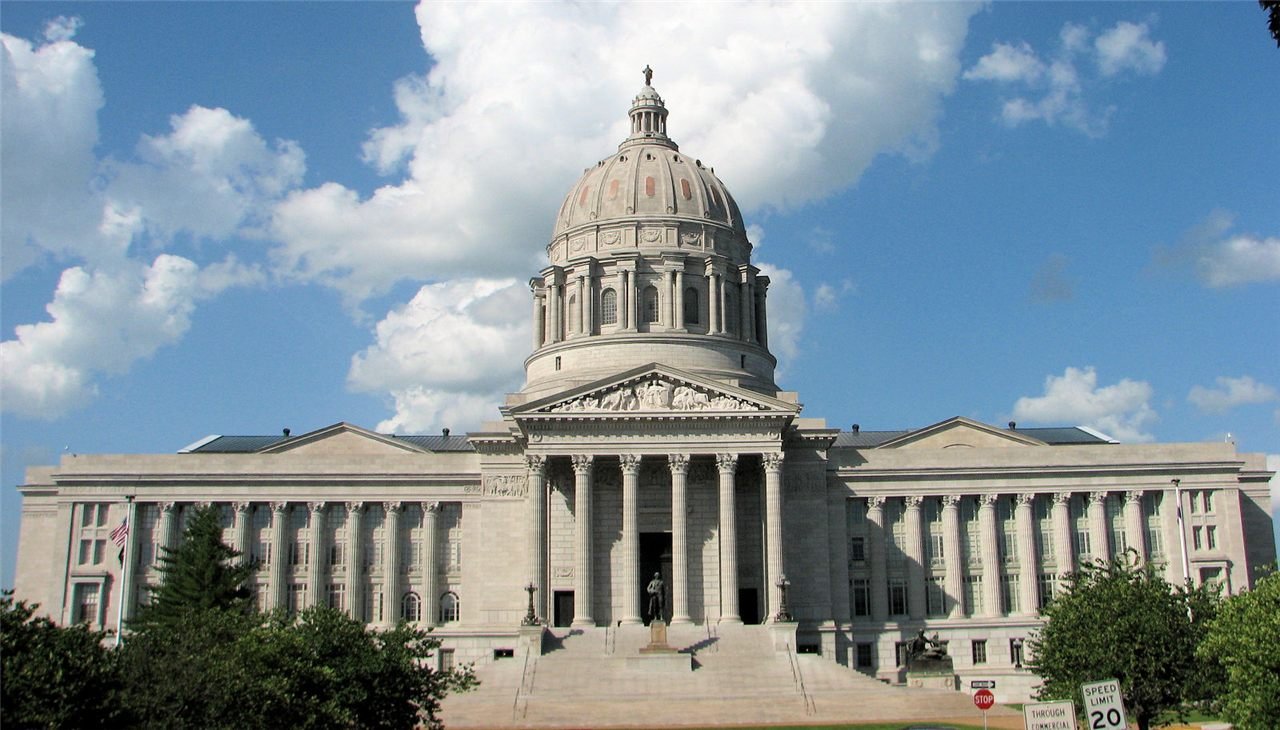
In Missouri, voters rejected Amendment 3, a proposal referred to the ballot by Republican lawmakers that would have reinstated a ban on most abortions. The Associated Press projected its defeat at 10:19 p.m. Tuesday, local broadcaster KOMU reported. The measure would have allowed exceptions for medical emergencies, fetal anomalies, rape and incest, with the rape and incest exceptions limited to the first 12 weeks of pregnancy. It would also have written restrictions on gender-transition procedures for minors into the state constitution, even though state law already restricts them. Opponents had criticized that pairing as misleading.
The vote leaves in place a 2024 amendment, approved by 51.6% of voters, that established a constitutional right to reproductive health care, including abortion up to fetal viability. That earlier vote made Missouri the first state to lift an abortion ban at the ballot box.
Mallory Schwarz, executive director of the advocacy group Abortion Action Missouri, told KOMU that “we are the Show Me state, and tonight we showed them.” Tom Estes, a pastor and spokesperson for Her Health, Her Future, a campaign that supported the amendment, said his side “came up short today, but this is a battle in a war.”
Elsewhere, Nevada voters approved protecting abortion up to viability in the state constitution for the second time, a repeat vote that state law requires for constitutional amendments. Virginia voters approved a “fundamental right to reproductive freedom” covering abortion through the first two trimesters, and later in some cases, as well as contraception, fertility and postpartum care. In Idaho, however, voters kept the state’s 2022 abortion ban in place, NPR reported.
Voting rules and redistricting
Measures on how elections are run were among the most common on this year’s ballots. NPR reported these results:
- Nevada, North Carolina and Ohio approved stricter voter ID requirements, while California rejected a similar proposal.
- Alaska, Arkansas, Kansas, South Dakota and West Virginia approved language affirming that U.S. citizenship is required to vote.
- Missouri voters rejected a congressional map seen as favorable to Republicans, while Maryland approved a redistricting amendment that could clear the way for a Democratic-leaning map in 2028.
- Virginia approved automatically restoring voting rights to people convicted of felonies once they finish their sentences.
Results in Alaska and Arizona were still too early to call, though early Alaska returns suggested voters were rejecting a repeal of the state’s ranked-choice voting system.
LGBTQ rights and taxes
Virginia voters repealed the state’s ban on same-sex marriage, which had been unenforceable since the U.S. Supreme Court’s 2015 Obergefell v. Hodges ruling, and added language recognizing marriage between two adults regardless of sex, gender or race. Vermont voters added protections based on sexual orientation and gender identity to their constitution’s equal protection clause.
Voters moved in the other direction in several states. Colorado approved measures restricting transgender youth from school sports and limiting gender-affirming care, and Arizona passed a measure requiring schools and athletic associations to restrict restrooms and locker rooms based on sex assigned at birth. A Washington state measure barring transgender girls from girls’ school sports was leading on Wednesday.
On taxes, Florida voters approved a property tax cut for homeowners that critics warned would drain billions of dollars from local services, and North Carolina capped its top personal income tax rate at 3.5%. Early Washington returns showed voters keeping a planned tax on income above $1 million.
The status of California’s Proposition 40, a one-time 5% tax on the net worth of the state’s roughly 200 billionaires, varied by report. NPR described it as too close to call, but CalMatters, a nonprofit California news outlet, reported that it appeared headed for defeat, trailing with about 56% opposed and a little more than half of ballots counted, according to the Associated Press. CalMatters said the union behind the measure, SEIU-UHW, conceded early but plans to try again in 2028. Opponents, led by Google co-founder Sergey Brin, spent a combined $316.7 million against it, the outlet reported. California Gov. Gavin Newsom also opposed the tax.
Data centers and what comes next
Data centers, the power-hungry facilities that run artificial intelligence and cloud computing, emerged as a new ballot issue. At least 38 jurisdictions voted on rules for them, NPR reported, citing the tracker Data Centers on the Ballot, with at least six localities banning construction outright. Harwood, North Dakota, was the only community reported to back the industry.
Many results remain unofficial and could shift as counting continues, particularly in California, Washington, Alaska and Arizona. In Missouri, both sides signaled the abortion fight is not over, with opponents of the defeated amendment warning that those seeking to restrict abortion “will not stop with this election,” as Shira Berkowitz, a policy director at the LGBTQ advocacy group PROMO, put it to KOMU.