Anduril and Qualcomm Unveil BlueChip, a Rugged US-Made Laptop
Anduril and Qualcomm unveiled BlueChip, a hardened laptop for government and military users with about 90% of parts from the US or allies. Preorders open in 2027.
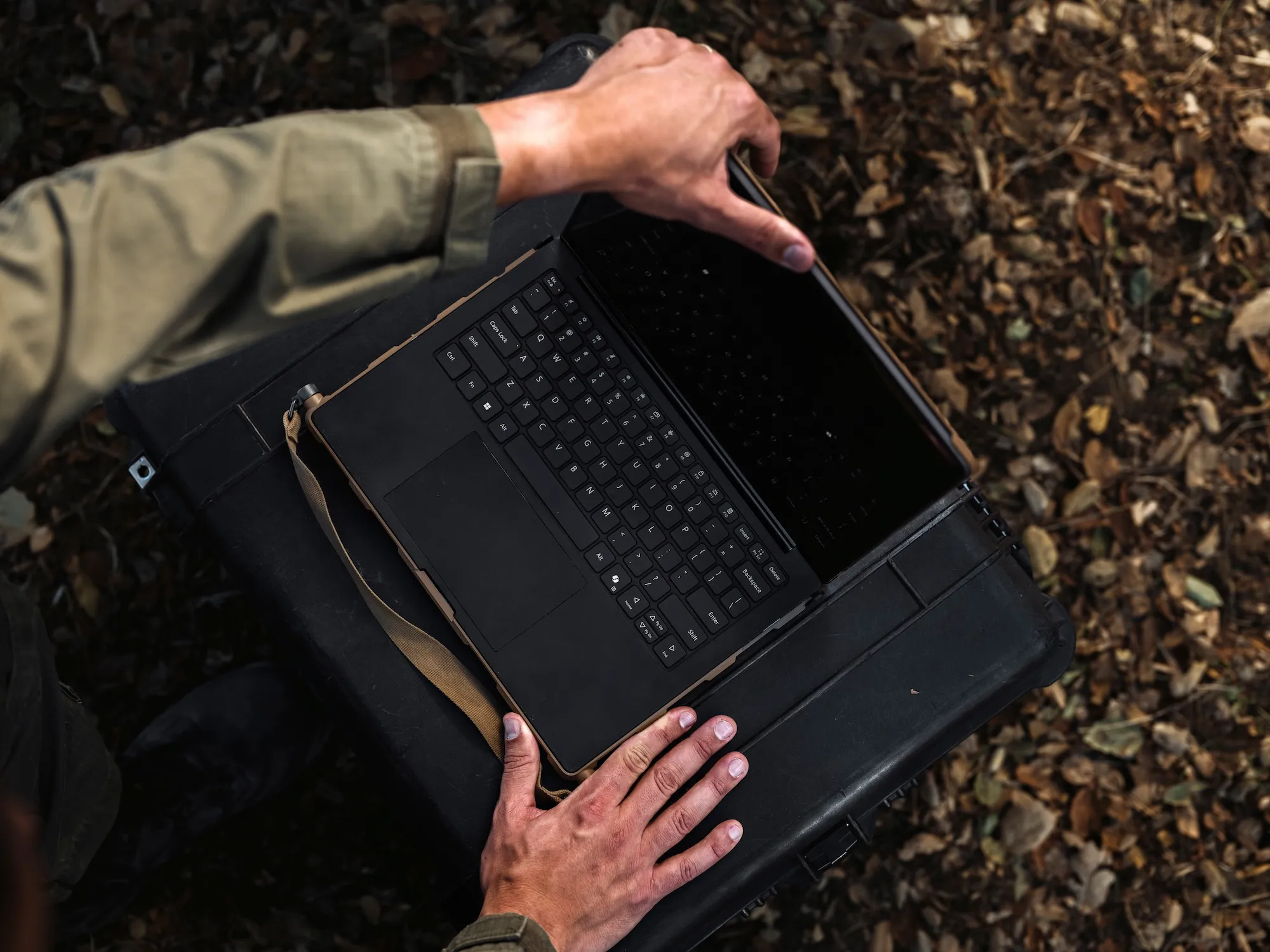
Anduril Industries, the defense technology company founded by Palmer Luckey, and the chipmaker Qualcomm on Tuesday unveiled BlueChip, a hardened laptop meant to be built almost entirely from parts made in the United States or allied countries. The machine is aimed mainly at the military, government agencies, first responders and police, and preorders are expected to open in 2027, TechCrunch reported.
The companies are presenting the project as a first step toward rebuilding American computer manufacturing. That goes beyond final assembly to the individual components, some of which are currently made only in China.
What was announced
BlueChip is a ruggedized laptop built to handle rain, dust and other harsh conditions. It will run on a Qualcomm Snapdragon X Series processor produced at the new Arizona plant of Taiwan Semiconductor Manufacturing Co. (TSMC), the world’s largest contract chipmaker, according to TechCrunch.
Cristiano Amon, chief executive of Qualcomm, told TechCrunch that the chip uses the same architecture found in other laptops, including Microsoft’s Surface line. Because the processor is based on Arm designs rather than the x86 chips that power most PCs, Anduril is working to make sure the laptop can run Windows applications, programs built for Linux distributions used by government agencies, and older software that some agencies still depend on.
Technical details were limited at launch. Luckey acknowledged that Anduril had not yet finished signing contracts with all of its component suppliers, TechCrunch reported. Making the device rugged also adds weight and limits battery life, the outlet noted.
Key points from the announcement:
- About 90% of the first-generation laptop’s components will come from the US or allied nations, with the processor the most notable of these.
- No price has been set. Luckey estimated it will cost roughly 20% more than typical high-end PCs.
- The main customers are expected to be US government agencies, some of which face rules requiring American-made computers.
- BlueChip is meant to be the first in a broader line of computers.
Why it matters
Most of the world’s laptops and their parts are made in Asia, and many components come from a small number of factories in China. Luckey has argued that this concentration is a security risk for governments that depend on the machines. The main selling point of BlueChip, according to TechCrunch, is a supply chain that buyers can trace and audit. Luckey described the device as “the anti-surveillance computer,” one fully controlled by its user.
The device enters an established niche. TechCrunch put the market for rugged computers at about $5 billion. Luckey was frank that BlueChip is not intended for most shoppers. He said an ordinary consumer would be better off buying a cheaper Dell, although consumers will reportedly be able to order the laptop and Anduril may set up a waitlist.
For Qualcomm, the project offers another showcase for its Snapdragon PC chips, which the company has been pushing as an alternative to processors from Intel and AMD in Windows laptops. Making the chip at TSMC’s Arizona site also links the laptop to the broader US effort to bring advanced semiconductor manufacturing back home.
The hardest parts to bring home
Luckey’s long-term goal is a computer that is fully domestic, down to its displays, metal parts and magnetic components. Some of these remain difficult to source outside China. TechCrunch reported that the display is one of several parts Luckey says are currently manufactured only in China. Anduril has found an American supplier for the display’s cover glass.
The distinction between a computer that is “made” in the US and one merely assembled there has been at the center of the debate since Luckey first raised the idea in 2025. Writing for Tom’s Hardware in July 2025, Nathaniel Mott noted that some PCs marketed as American products are assembled domestically from parts sourced abroad. Under the Federal Trade Commission’s Made in USA standard, he wrote, a product must be “all or virtually all” made in the country, with only negligible foreign content. Assembly alone does not qualify.
Mott also questioned at the time whether a 20% price premium was realistic, given the higher cost of sourcing every component domestically and the need to compete on performance with machines such as Apple’s MacBooks, which Luckey had used as a comparison. The first BlueChip model, with about a tenth of its parts still coming from outside the US and its allies, is not yet fully domestic.
What comes next
Anduril still has to complete supplier contracts and release full specifications and pricing before preorders open in 2027. The company also needs to show that the Arm-based machine can reliably run the mix of modern and older software that government users rely on.
Luckey has a record of large bets on manufacturing. He told TechCrunch he once pushed Anduril’s board to spend $900 million on a jet factory before the company had won a contract. Whether BlueChip can move the remaining components, starting with displays, onto American soil will decide whether the project delivers the fully domestic computer he has promised.