Army Seeks Private Power Plants and AI Data Centers on Its Bases
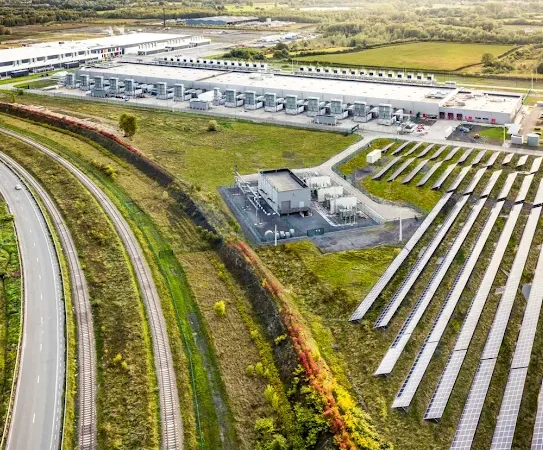
The US Army wants private companies to build power plants, and possibly AI data centers, on land at several bases, including Fort Bragg.
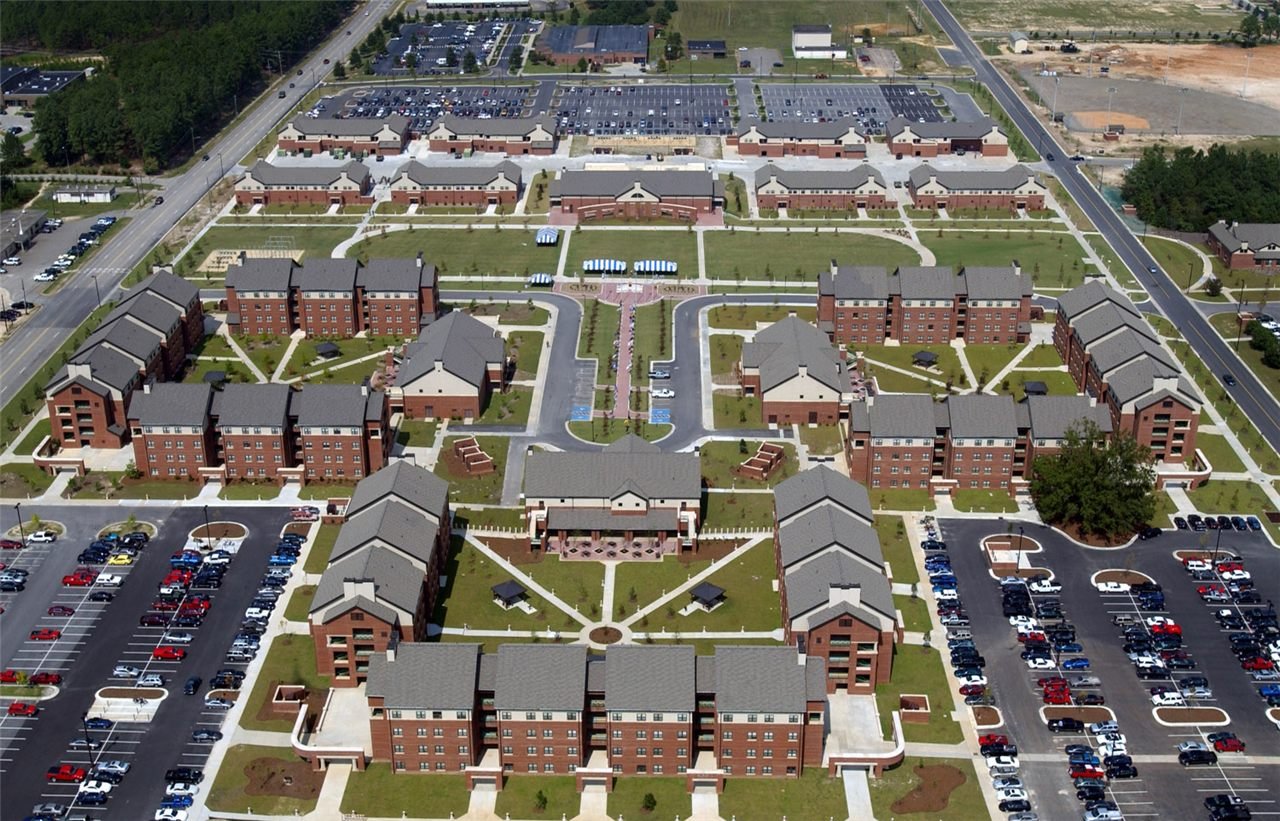
The US Army is asking private companies to build power plants on unused land at its bases, and it wants many of them to come with commercial data centers attached. The plan widens an effort to turn military land into sites for the energy-hungry computing that artificial intelligence needs. According to Business Insider, the Department of the Army announced on Nov. 20 that it wants competitive proposals from public, nonprofit and private groups to develop data centers and power generation on Army land. Fort Bragg in North Carolina, Fort Rucker in Alabama and Blue Grass Army Depot in Kentucky are among the sites.
What the Army is asking for
The Army prefers projects that pair an “integrated power generation facility and commercial data center,” Business Insider reported, citing the department. Bidders may also propose a power plant alone. The department said that “proposals for a data center-only will not be considered.”
Veteran Voice, a veterans’ news newsletter, described the solicitation in more detail, drawing on an analysis by the law firm Holland & Knight, reporting by Military.com and the federal contracting website SAM.gov. It said the document is dated Nov. 19 and was announced the next day by the Army’s Strategic Capital Initiative. The newsletter listed nine installations:
- Joint Base Lewis-McChord, Washington
- Fort Bragg, North Carolina
- Fort Hood, Texas
- Fort Rucker, Alabama
- Fort McCoy, Wisconsin
- Blue Grass Army Depot, Kentucky
- Pine Bluff Arsenal, Arkansas
- Tooele Army Depot, Utah
- Sierra Army Depot, California
Business Insider named only three of those sites and did not give a full list.
According to Veteran Voice, the leases would initially run 25 years, and proposals are due at 5 p.m. Eastern time on Jan. 18, 2027. Bidders can visit the sites between Nov. 30 and Dec. 17. Any project must be able to restore power to the base within one hour of a grid outage and keep it running for at least 14 days in a row. The Army prefers projects that can hold out for up to 90 days. Nuclear proposals are limited to 500 megawatts per reactor. Water use must be neutral or better and come from non-potable sources rather than aquifers.
The Army puts up no money or credit under the terms the newsletter described. The land is offered as-is, and the winning companies pay for the environmental review and post a decommissioning bond that is reviewed every five years. Holland & Knight also flagged a discrepancy, the newsletter said: the solicitation number appears in three different versions across the documents, so bidders are told to confirm it on SAM.gov.
Why it matters
Data centers that train and run AI models need huge amounts of electricity, and developers are struggling to find land and grid capacity for them. Military bases offer large, secure tracts of federal land. Requiring builders to bring their own power also gives the Army what it wants most: backup electricity that keeps its installations running if the civilian grid fails.
The arrangements use enhanced use leases, a power under Title 10 of the US Code, Section 2667. It lets the military rent out property it does not need right now but is not ready to give up for good. In exchange for the land, companies take on the cost of building and running the facilities.
Background
The new solicitation builds on deals the Army struck earlier this year. In a March 26 statement, the Army said it had conditionally selected the investment firm Carlyle to build a data center on about 1,384 acres at Fort Bliss, Texas. It picked CyrusOne, a data center company jointly owned by funds managed by KKR and BlackRock, for about 1,201 acres at Dugway Proving Ground, Utah. The companies would finance, build, run and eventually tear down the facilities “at no upfront cost to taxpayers,” the Army said, though it noted those deals were not yet final. The Army said the effort aligns with a 2025 White House executive order to speed federal permitting for data center infrastructure.
“AI is a strategic asset for the Army,” Dan Driscoll, the secretary of the Army, said in the March statement.
Veteran Voice also reported that the Army made conditional selections on Sept. 18 for commercial power generation at six other installations, an announcement that did not mention data centers.
Pushback and what comes next
The push comes as data centers face growing local opposition across the country. Business Insider noted that resident protests have sometimes led to projects being canceled. Earlier in November, Loudoun County, Virginia, one of the world’s largest data center markets, paused legislative data center applications for a year.
Opposition has also reached Congress. On Nov. 16, Sen. Ruben Gallego, an Arizona Democrat, filed an amendment to the annual defense bill that would bar new privately operated data centers on military installations, with exceptions for national security facilities, Military.com reported, according to Veteran Voice. No vote has been held on the measure. The Army did not respond to Military.com’s request for comment, the newsletter said.
Some veterans’ advocates have also objected to using public land for the projects. “You and I own that land, but we’re not getting a voice in whether or not this land gets used to build a data center,” said retired Army Lt. Gen. Jeff Buchanan, chair of the group Veterans for Public Lands, as quoted by Military.com. That group’s campaign is aimed mainly at land managed by the Interior and Agriculture departments.
Under the terms described by Veteran Voice, there is no public comment period. Once proposals come in in January, the Army will judge which bases, if any, move forward to lease negotiations.