Tribunal Rejects Argentina’s Bid to Halt Falklands Sea Lion Oil Project
A UN law of the sea tribunal voted 18-3 against halting the British-Israeli Sea Lion oil project off the Falkland Islands, a setback for Argentina.
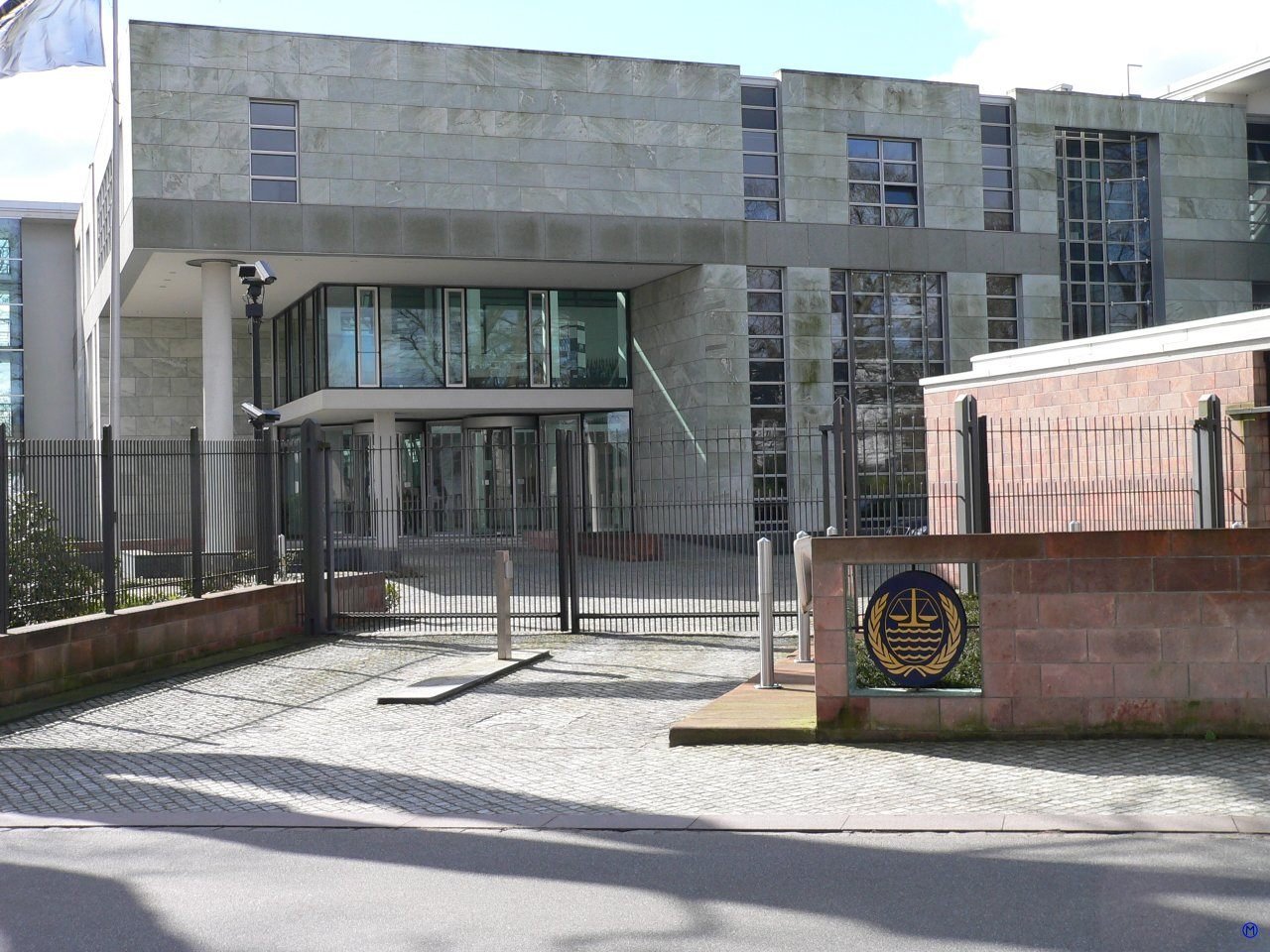
An international maritime court on Saturday turned down Argentina’s request to freeze the Sea Lion oil project off the Falkland Islands, clearing a significant legal obstacle for the British-Israeli venture that hopes to turn the remote South Atlantic territory into an oil producer. The International Tribunal for the Law of the Sea, a United Nations-linked court based in Hamburg, Germany, rejected the application by 18 votes to three, according to the German news agency DPA and TRT World.
What the tribunal decided
Argentina had asked the tribunal on Oct. 13 for so-called provisional measures, a kind of emergency injunction, that would have ordered the United Kingdom to stop oil exploitation at Sea Lion while a broader legal dispute plays out. The ruling was read out by Maurice Kamga, the Cameroonian judge who serves as the tribunal’s president.
The judges found there did not appear to be any basis for the tribunal to take up the case, because it cannot rule on questions of sovereignty, DPA and TRT World reported. Britain had argued that Argentina’s claim to the islands falls outside the scope of the United Nations Convention on the Law of the Sea, the 1982 treaty that governs maritime rights and that entered into force in 1994. The majority accepted that argument.
Kamga stressed that the decision does not prejudge the final outcome of the case, DPA reported, and a hearing on the merits is expected later. The UK financial news site Share Talk likewise noted that the order does not settle the underlying sovereignty dispute or the wider arbitration.
According to the trade publication World Oil, Argentina’s request was filed under Article 290 of the convention, which lets the Hamburg tribunal impose temporary measures until a separate arbitral panel is set up, but only if that panel would appear to have jurisdiction and the situation is urgent. Argentina had opened those arbitration proceedings against Britain on Sept. 28. Among other things, it asked that London be barred from granting new permits in the disputed waters and from using data gathered during exploration against Argentine interests.
Why the project matters
Sea Lion is the most advanced attempt yet to develop oil in the waters north of the Falklands, a British overseas territory of a few thousand people about 600 kilometers (370 miles) off Argentina’s Patagonian coast. The field lies roughly 220 kilometers from the islands, TRT World reported.
Share Talk described the project as operated by Israel’s Navitas Petroleum in partnership with London-listed Rockhopper Exploration, while TRT World described it as led by the two companies jointly. Key figures reported by the outlets include:
- Up to 1.7 billion barrels of oil resources across the wider project area, according to DPA and Share Talk.
- Potential long-term benefits for the islands of about 4 billion pounds, or roughly 1 million pounds per resident, according to Share Talk, which cautioned that this is not a guaranteed payment.
- Drilling not scheduled before March 2027, with oil extraction expected no earlier than March 2028, Share Talk reported.
During hearings held Nov. 10 and 11, Britain warned that halting the project would cause serious harm to the islanders. Ellie Reeves, the UK attorney general, said an order would have “devastating consequences” for Falkland Islanders and stop them from developing their natural resources, according to DPA.
Reactions in London and Buenos Aires
In a joint statement, Reeves and Ed Miliband, the UK foreign secretary, said they welcomed the tribunal’s decision “not to prescribe provisional measures,” TRT World reported. The two ministers called on Argentina to respect the islanders’ right to determine their own future and to end what they described as its wider economic pressure on the territory.
Argentina’s president, Javier Milei, signaled that the fight is far from over. “This decision is not the final word,” he said, according to TRT World, adding that Argentina would assert its rights through all diplomatic, legal and administrative channels available to it. Milei has previously called the companies’ activities unlawful and imposed economic sanctions on people and firms involved in oil exploration around the islands, DPA reported.
Buenos Aires argues that the project violates a UN resolution urging both countries to avoid unilateral actions while the sovereignty dispute is unresolved. It also contends that the islanders were settled by Britain after 1833 and that the principle of self-determination does not apply to them, TRT World reported. Britain points to a 2013 referendum in which 99.8% of participating voters chose to keep the islands’ status as a British overseas territory, a figure cited by both DPA and Share Talk.
Background and what comes next
Argentina, which calls the islands Las Malvinas, invaded them in 1982, triggering a 10-week war in which a British task force retook the territory. The question of who controls the surrounding seabed and its resources has remained a flashpoint ever since.
Britain has also moved to protect companies from Argentine retaliation. In October, the UK government said it would use its Protection of Trading Interests legislation to shield British businesses and individuals from Argentine domestic measures aimed at lawful activity linked to the Falklands, with the rules intended to take effect before the end of the year, World Oil reported.
The arbitration Argentina launched in September will continue, and the sovereignty question remains untouched by Saturday’s order. For now, however, Sea Lion faces no internationally ordered suspension, leaving the companies free to keep preparing for a drilling campaign that could begin as early as 2027.