Asian Data Centers Court US Clients After New Chip Rules
Asian data centers are pitching spare AI capacity to US buyers after Washington tightened chip export rules, and Nvidia B300 rental prices are reportedly falling.
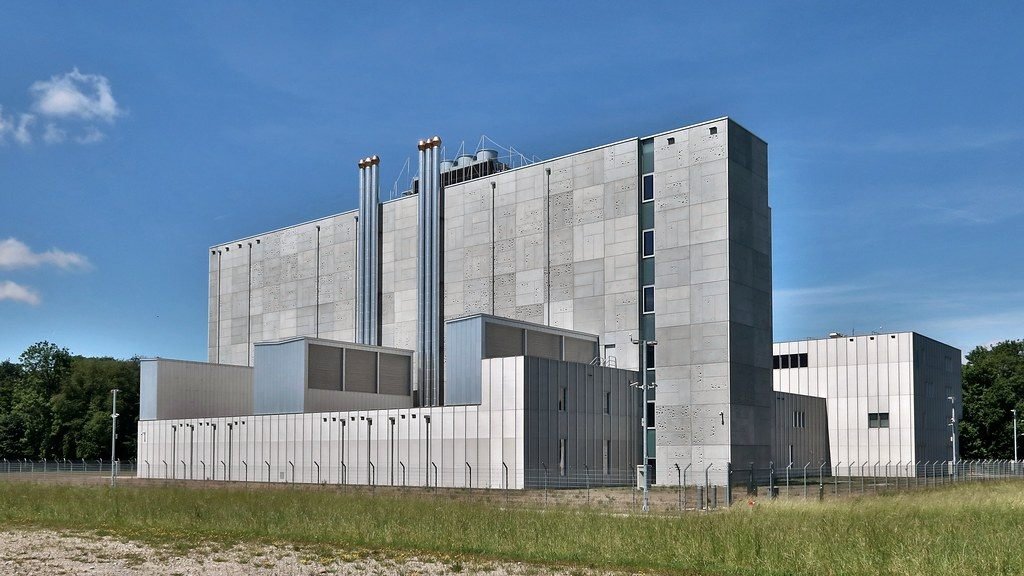
Data centers and specialized AI cloud providers across Asia are trying to sell spare computing capacity to US customers after Washington tightened export rules aimed at keeping Chinese companies from renting advanced Nvidia chips abroad, Bloomberg reported on Wednesday. The report also said rental prices for Nvidia’s B300 chip are slipping as operators look for new buyers.
What happened
According to Bloomberg, operators in Asia that had been serving Chinese clients now have unused capacity and are marketing it to buyers in the United States and Europe. The outlet cited an index from Liquid Compute, a startup that tracks GPU rental pricing, showing the price of renting a B300 chip fell about 7%, from $7.72 per GPU-hour at the end of last month to $7.19 on Tuesday. Bloomberg quoted Liquid Compute’s chief executive, Ronit Jain, as expecting prices to keep declining. The index comes from a single company, and Economy Media could not independently verify it.
The shift follows an interim rule from the US Commerce Department, announced Monday, Nov. 16. TechCrunch reported that the rule requires companies to obtain licenses to export AI chips and servers to data centers anywhere in the world if those facilities may provide computing power to companies in China or other restricted countries. It applies to data centers or networks able to supply more than 12 million total processing performance, a technical measure of chip capability that TechCrunch estimated is roughly the maximum output of about 750 Nvidia H100 or H200 chips.
What the rule does
The rule also creates new license requirements for advanced chip shipments to Malaysia, Singapore, Indonesia, Thailand and Brazil, which Commerce said carry a higher-than-normal risk of diversion. According to TechCrunch, that requirement does not apply to chips destined for companies based in the United States. Existing data center operators that serve covered customers have 90 days after the rule takes effect to get licenses. The rule also rescinds the Biden administration’s AI Diffusion Rule from January 2025.
In its text, the rule says restricting access to such computing power is meant to stop it from being used to train and run advanced AI models that could support military and intelligence activities threatening US national security.
Why it matters
CNBC reported that Southeast Asia’s data center boom has leaned heavily on Chinese demand. It cited October estimates from the Institute for Progress, a policy research group, that about 75% of China’s overseas AI computing capacity was forecast to be in Southeast Asia by the end of 2026. CNBC said more than half of Malaysia’s data center capacity sits in colocation facilities, where customers rent space, and that Chinese firms account for a sizeable share of those workloads. Leah Fahy, senior China economist at Capital Economics, was cited as saying the rules could shave 0.2 percentage points off Malaysia’s GDP growth forecasts through 2028.
Officials in the region have reacted. Johari Abdul Ghani, Malaysia’s investment, trade and industry minister, said that anyone who wants to be in the game “has to follow U.S. regulations,” according to CNBC. Kirida Bhaopichitr, Thailand’s vice minister for commerce, said new projects that fail to win US approval may not be able to finish construction. CNBC also reported that Singapore plans to negotiate “trusted access” to advanced AI chips.
What comes next
Several points remain unclear. The rule’s effective date was not specified in the coverage Economy Media reviewed, and it is not yet known how many facilities will win licenses to keep serving Chinese-linked customers. It is also unclear how much spare capacity will actually move to US buyers, or whether lower B300 prices will persist. Neither Commerce nor Nvidia was quoted commenting on the market effects in the reports reviewed, and no official Chinese response to the rule was reported in those articles.