Berkshire Hits Record High as Fourth-Quarter Rally Reaches 19%
Berkshire Hathaway shares notched four straight record closes this week, extending a fourth-quarter rally to 19.1% as investors rotate away from AI stocks.
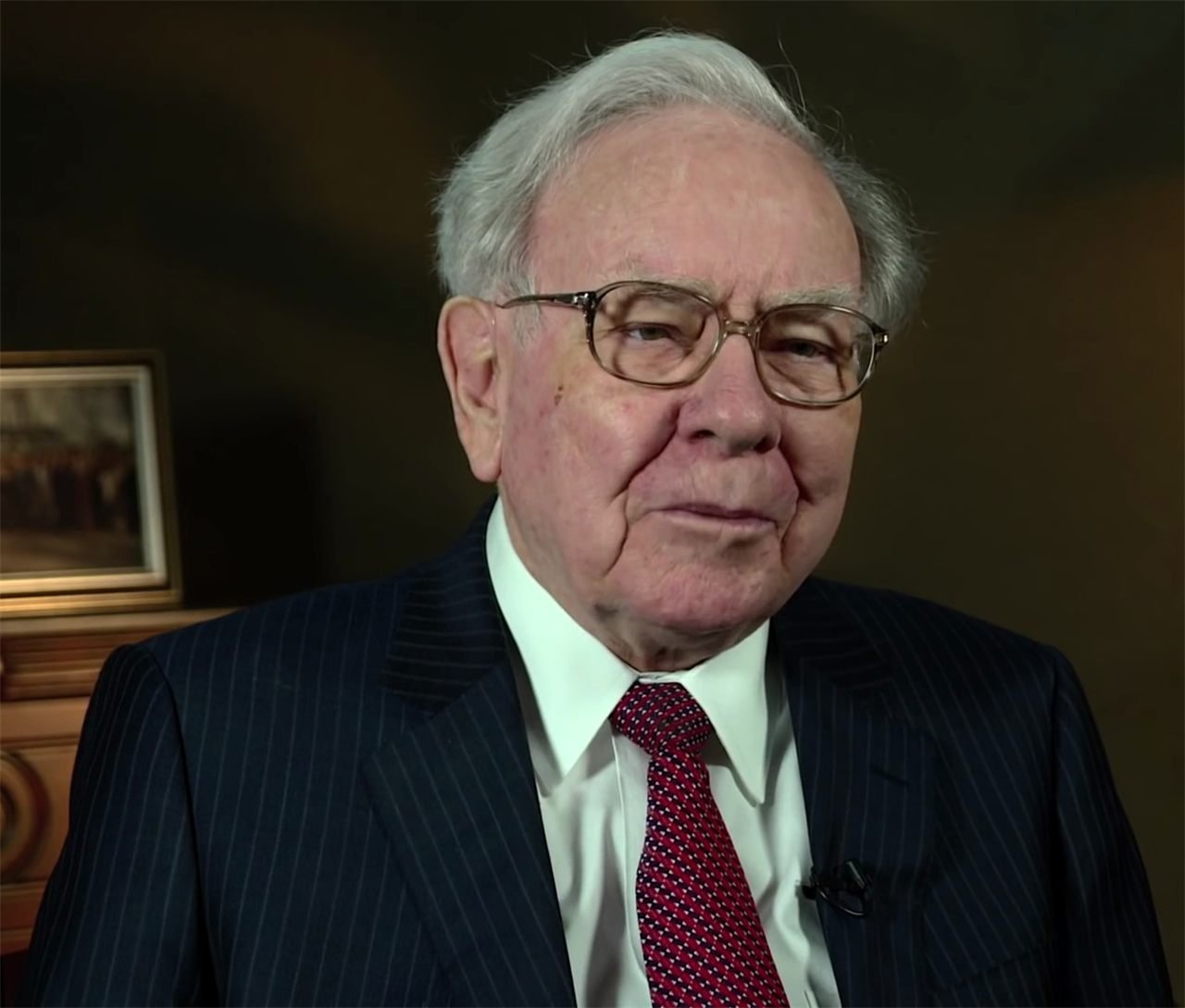
Shares of Berkshire Hathaway, the conglomerate long run by Warren Buffett, closed at record highs on four consecutive trading days in the week ended Nov. 13, pushing the stock’s fourth-quarter gain to 19.1% while the broader market slipped, CNBC reported on Saturday. Over the same stretch since Oct. 1, the S&P 500 fell 1.2%, according to CNBC’s count.
What happened
Both of Berkshire’s share classes rose 3.9% over the week, outpacing a 2.5% gain for the S&P 500, which CNBC said was the index’s best week since early August. Since the quarter began, the company’s Class A shares have finished at a record 11 times and its Class B shares 10 times, according to Alex Crippen, editor of CNBC’s Warren Buffett Watch newsletter.
CNBC listed the Class A stock at $889,793.83 and the Class B stock at $592.94, giving Berkshire a market value of roughly $1.26 trillion. The B shares are about 18% higher so far in 2026, roughly 7.5 percentage points ahead of the S&P 500, and around 29% above their lows of last August, the outlet said.
The pace of the advance has picked up. A week earlier, on Nov. 7, Fortune reported that Berkshire’s Class B shares were up 13.6% for the year against a 7.8% gain for the S&P 500, and that the stock had risen about 14% since Oct. 1 while the index had fallen about 4%. The gap between those figures and CNBC’s latest tallies reflects both Berkshire’s further gains and the market’s rebound this week.
Why investors are buying
Both outlets tied the rally to a shift away from artificial-intelligence stocks. CNBC said investors appear to view Berkshire as a relatively safe haven amid concerns about AI valuations and spending, a theme that has intensified as turmoil at chipmaker Nvidia weighed on technology shares. Fortune noted that Berkshire has held up in rough markets before: in 2022, when Federal Reserve rate increases sent the S&P 500 down 18%, Berkshire shares gained 4%.
The rebound also marks a turnaround in sentiment toward the company’s leadership change. Greg Abel, who succeeded Buffett as chief executive in January, has run Berkshire for three quarters, and Buffett gave up the chairman title in September, the Associated Press reported. Fortune said the stock had lagged the broader market after Buffett announced his plan to step down as CEO, a decline CNBC said the shares have now fully erased.
Buybacks and third-quarter results
Berkshire’s own purchases have added support. The company repurchased $9.6 billion of its stock in the third quarter, more than double the second-quarter pace, and bought back roughly another $2 billion in the first four weeks of the fourth quarter, Fortune reported.
The underlying results were mixed. Operating earnings fell nearly 6% to $12.7 billion, or $8,907 per Class A share, from $13.485 billion a year earlier, the AP reported. That still topped the $8,821.84 per share average forecast of four analysts surveyed by FactSet, a financial data provider, according to the AP. Insurance was the weak spot: underwriting profit across Berkshire’s insurers dropped to $1.35 billion from $2.37 billion, with auto insurer Geico’s portion falling to $982 million from $1.77 billion.
“I think we’re seeing the businesses that play to Greg’s strengths do well,” Cathy Seifert, an analyst at CFRA Research, told the AP, pointing to stronger performance at the BNSF railroad, the utilities and industrial parts maker Precision Castparts.
Cash remains enormous. Berkshire held $377.4 billion at the end of September, up from $365.5 billion at the end of June, the AP said. CNBC noted that excluding railroad cash and subtracting Treasury bills payable, the figure was $352.3 billion, down 1.9% from June 30.
What comes next
Investors will get a fuller view of Berkshire’s portfolio on Monday, when the company is due to file its third-quarter 13F, a quarterly disclosure of stock holdings required by the Securities and Exchange Commission. CNBC, citing an analysis by Barron’s, said the filing may show Berkshire trimmed its Bank of America stake for a ninth straight quarter, with an estimated 30 million to 40 million shares sold, and may have added to its position in Google parent Alphabet. Berkshire held 483.4 million Bank of America shares worth $24.7 billion as of June 30, according to CNBC.
Separately, Berkshire filed terms on Friday for a sale of more than 182 billion yen, or about $1.1 billion, of bonds maturing between 2029 and 2056 with annual rates from 2.6% to 4.6%, CNBC reported. The company uses such yen debt to hedge currency risk on its holdings of Japanese stocks. Citing Bloomberg, CNBC said the rates were higher relative to benchmarks than in Berkshire’s previous yen sale this year, in April, a sign that bond buyers are demanding better terms.