ECB Holds Rates at 2.5% but Signals December Hike as Energy Costs Rise
The European Central Bank kept its deposit rate at 2.5% on Oct. 29, warning that rising energy prices threaten inflation and keeping a December hike in view.
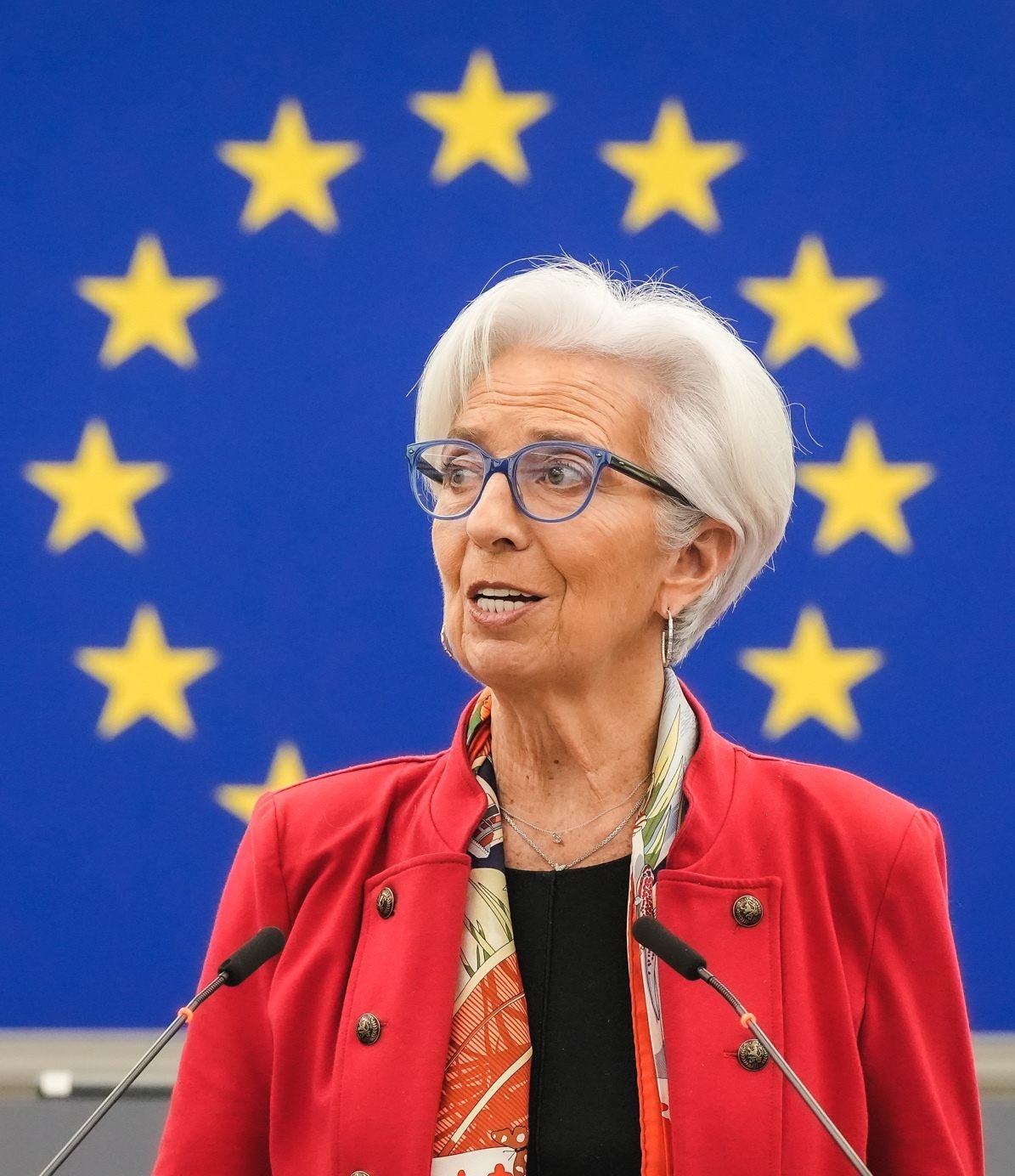
The European Central Bank left interest rates unchanged on Thursday, Oct. 29. Its key deposit rate stays at 2.5%, but the bank warned that rising energy prices are adding to inflation risks, keeping a rate hike at its December meeting firmly in view. The decision came the same day ECB President Christine Lagarde said she would leave her post early.
What happened
The ECB sets monetary policy for the countries that use the euro. Its Governing Council, the body of national central bank chiefs and executive board members that sets interest rates, held its deposit facility rate at 2.5%, Investing.com reported. Economists had widely expected the pause. The bank has already raised rates twice this year, trying to keep an energy price jump tied to the war involving Iran from becoming entrenched in the wider economy, Reuters reported.
In its policy statement, the ECB said energy prices “have continued to rise, posing upside risks to the inflation outlook” and downside risks to growth. Reuters reported that the bank expects the “increased magnitude and duration of the energy shock” to push inflation up and weaken economic activity.
The vote to hold was unanimous, but not automatic. Lagarde told reporters that the council “debated whether a hike was appropriate,” according to Agence France-Presse. She added that “the direction of travel is quite clear” unless something major changes, which points to an increase in December.
Why the ECB waited
The bank gave two main reasons for holding off. First, it said underlying inflation, which leaves out volatile food and energy prices, has stayed “broadly stable so far.” Reuters reported that the ECB has seen no “material response” in wages to higher prices. Without wage gains, the second-round effects that can lock in inflation have not yet appeared.
Second, borrowing costs have already risen without any action from the central bank. “Financing conditions have tightened since the Governing Council’s last meeting,” the ECB said, adding that this is likely to weigh on both growth and inflation. When government bond yields climb, the rates households and businesses pay on loans and mortgages tend to follow. AFP noted that this works much like a rate hike.
Still, inflation is well above the bank’s goal. Eurozone inflation hit 3.8% in September, a three-year high driven by energy costs, AFP reported. Reuters described price growth as running at about twice the ECB’s 2% target.
France’s borrowing costs in focus
Much of the tightening has come from France. French government bond yields have risen to their highest levels since 2002, according to AFP. Investors are reacting to a standoff over a deficit-cutting budget and to protests that turned into the country’s worst street violence in years. Reuters reported that France now pays a premium of 155 basis points over Germany to borrow for 10 years, which it described as the widest in decades.
Lagarde said the ECB has “instruments available to respond” to disorderly markets, AFP reported, but suggested intervention was unlikely soon. The main tool is the Transmission Protection Instrument, a never-used program that lets the ECB buy bonds of a country whose borrowing costs rise faster than its economic fundamentals justify. Its eligibility rules are strict, and most observers think France does not currently meet them. Reuters reported that the bank would likely first try reinvesting proceeds from past bond purchases more flexibly. “Fiscal sustainability is a crucial anchor for broader economic stability,” Lagarde said.
What comes next
Analysts’ views of Thursday’s message differed. Andrew Kenningham, chief Europe economist at the research firm Capital Economics, said the policy statement looked “slightly dovish” at first sight, according to Investing.com. In other words, it was a bit less aggressive on inflation than some expected. He still expects one more hike, in December, and then a stop. A large majority of economists polled by Reuters expect just one or two more increases before the tightening cycle ends.
The December meeting will also mark a leadership transition. Lagarde said she will step down on Feb. 7, 2027, well before her eight-year term was due to end in October 2027. She said she wants to speak more freely on issues beyond monetary policy. “Until February 7, I’m in charge, I’m focused,” she said, according to Investing.com. The European Council, which represents EU leaders, said it would start searching for a successor immediately. Media reports suggest the new president could be announced around the December meeting.
For households in the eurozone, higher rates mean costlier mortgages and loans, but also a stronger defense against prices that keep rising. The ECB’s decision also matters for Americans. It came a day after the U.S. Federal Reserve also held rates steady, and both central banks are facing the same energy-driven inflation pressures.