Fed’s Collins Backs ‘Steady, Gradual’ Rate Hikes as Inflation Broadens
Boston Fed President Susan Collins favors modest, steady rate increases, pushing back on calls for a bigger December move.
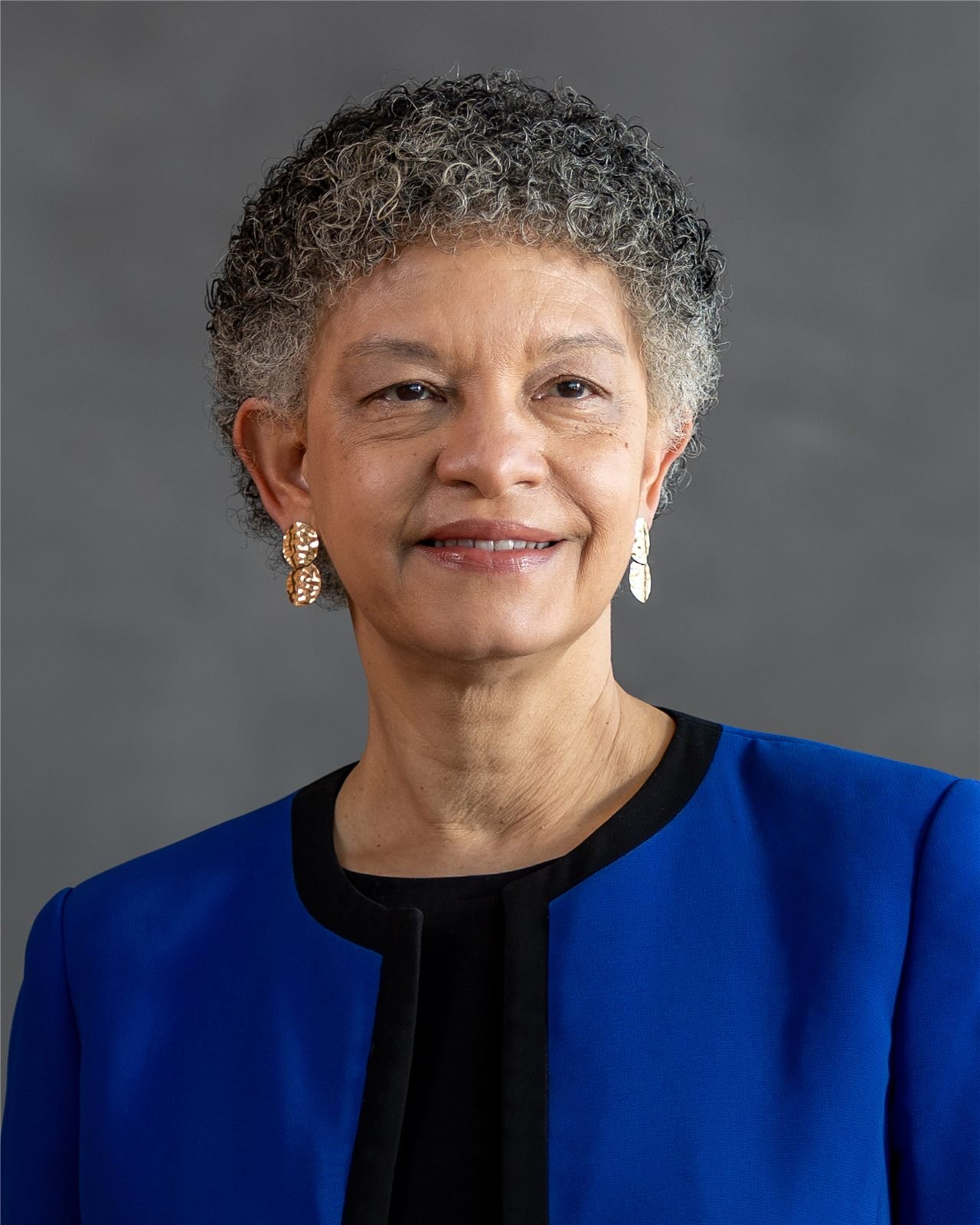
Susan Collins, president of the Federal Reserve Bank of Boston, said on Saturday that a steady series of modest interest rate increases is the best way for the U.S. central bank to handle an uncertain economy, signaling she does not see a need to speed up the pace of tightening even as inflation pressures spread. Her comments come as investors weigh whether the Fed could deliver a larger-than-usual hike at its meeting next month.
What Collins said
Speaking to reporters at a housing conference hosted by the Boston Fed, Collins said “a steady, gradual path seems appropriate to me at the moment,” while adding that she remains open-minded, according to Reuters. Seeking Alpha also reported her remarks, describing her view that modest, steady increases are the best approach for both monetary policy and the economy.
Collins said a gradual approach “doesn’t necessarily mean a particular cadence,” Reuters reported, suggesting she is not committing to a rate move at every meeting. She also said recent price data and a stronger job market point to a path for policy rates over the next year that could be “a bit higher than I had thought a couple of months ago.”
She described the risks facing the economy as two-sided. On one side, inflation is elevated and broadening; on the other, the labor market looks stable and could pick up further. She also cautioned that the rise in medium- and longer-term interest rates since the start of the year could weigh on demand more than she currently expects, and pointed to the possibility of further economic shocks, according to Reuters and Investing.com.
Inflation has run above the Fed’s 2% target for more than five years, but Collins argued that this long stretch is a reason not to switch to a faster pace of increases, Reuters reported.
Why it matters for markets
The Fed last raised rates in September, setting its benchmark federal funds target range at 3.75% to 4%. A quarter-point increase is widely expected at the Federal Open Market Committee’s December 8-9 meeting, with another move anticipated in January, according to Reuters. The Federal Open Market Committee is the Fed’s rate-setting panel.
The debate now centers on size. Most Fed officials have signaled support for small, steady increases, but last week’s inflation data and comments from Fed Governor Christopher Waller have suggested some policymakers may want a bigger step in December, Reuters reported. Investing.com, citing Reuters, said Collins’ remarks indicate she supports continued tightening, but not at a faster pace.
Interest rate expectations matter for stocks and bonds because higher borrowing costs raise financing expenses for companies and households and can weigh on valuations. Seeking Alpha tagged its report on Collins to the S&P 500 and the Dow Jones Industrial Average.
The case for a bigger move
Waller laid out a more aggressive scenario in a speech in London on November 10 at a conference hosted by King’s Business School and the Money, Macro and Finance Society, Reuters reported. He said he would back a quarter-point increase in December even if October inflation cooled, and that a half-point hike should be considered if core consumer prices, which exclude food and energy, rose 0.3% or more from September.
“I would still support a 25 basis point increase in the FOMC’s policy rate,” Waller said, according to Reuters. A smaller response to hot inflation, he argued, could damage the Fed’s credibility as an inflation fighter. At the time, economists polled by Reuters expected core prices to rise about 0.2%.
Key figures cited in the coverage include:
- Current fed funds target range: 3.75% to 4%, set in September.
- Range after an expected quarter-point December hike: 4% to 4.25%.
- Personal consumption expenditures (PCE) price index, the Fed’s preferred inflation gauge: 3.7% year over year in September; core PCE was 3.1%, according to Reuters.
- Unemployment rate: 4.1%, according to Reuters.
As of the close on November 9, interest rate futures implied about an 85% chance of a December hike and a better-than-even chance of another increase as soon as March, Reuters reported. Pricing has shifted since then as new data arrived.
What comes next
Fed officials enter a quieter stretch ahead of the December 8-9 meeting, when they will also have additional data on prices and employment. Collins’ comments suggest at least part of the committee prefers to stick with quarter-point steps, while Waller has made clear he is prepared to consider a larger increase if inflation runs hot.
The outcome will help shape how high borrowing costs climb in 2027. Collins’ acknowledgment that rates may need to go somewhat higher than she expected only a couple of months ago indicates that, even among officials who favor a gradual approach, the expected endpoint for this tightening cycle has moved up.