Iran Says 7 Tankers Hit in Hormuz; Trump Calls the Claims Fake
Iran's Revolutionary Guard says seven tankers were struck or hit mines near Hormuz. Trump calls it a ploy to lift oil prices before the midterms.
Iran’s Islamic Revolutionary Guard Corps (IRGC), the elite military force that answers directly to the country’s supreme leader, said Thursday that seven oil tankers had been attacked or had struck naval mines in and near the Strait of Hormuz overnight. It also warned that the fighting could spread to US military bases across the Middle East. President Donald Trump dismissed the account as invented, saying Tehran was trying to drive up oil prices before the US midterm elections in early November. None of the outlets reporting the claims could independently verify them.
What Iran says happened
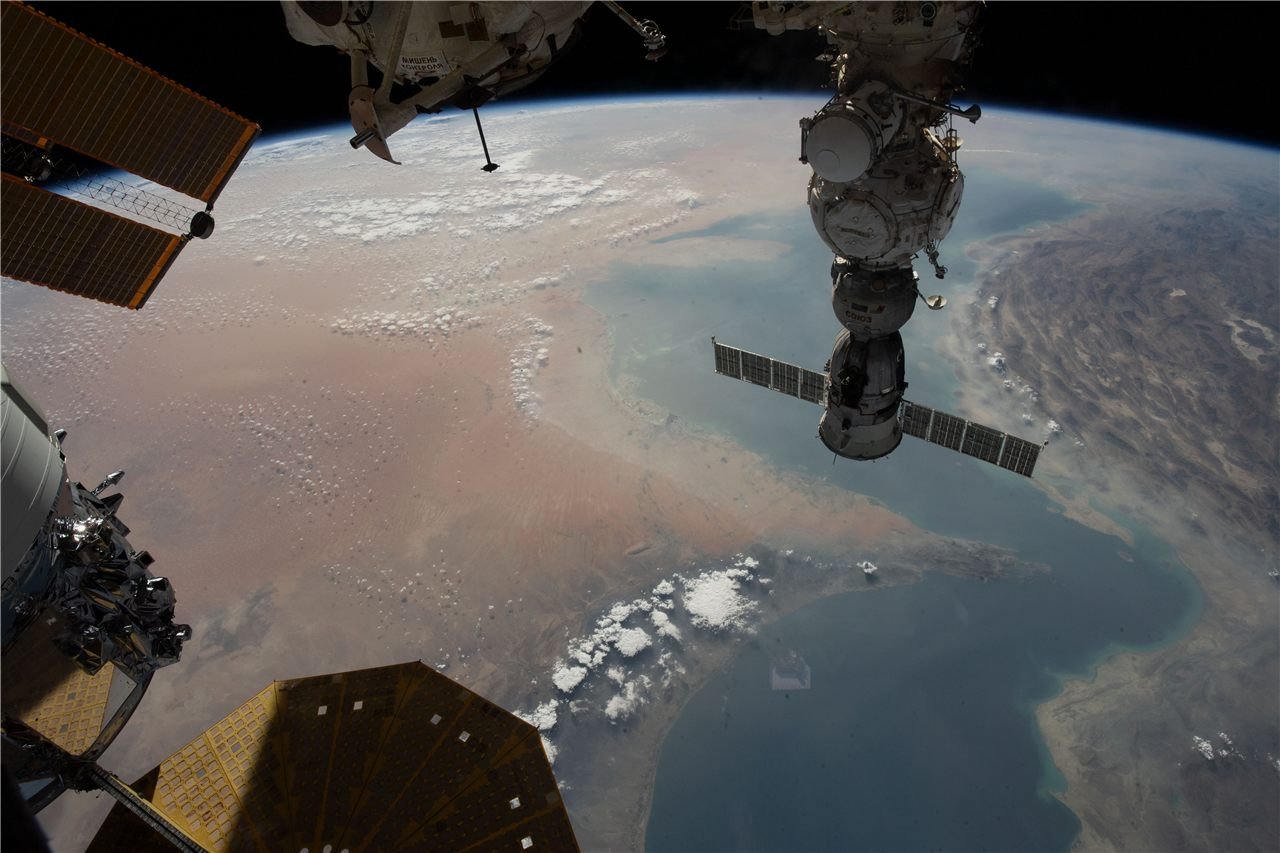
Iranian state television carried the claim, citing a statement from the IRGC’s navy. According to the Guard, four tankers were targeted while transferring oil from one ship to another, and they caught fire. Three more vessels were damaged and brought to a halt after hitting mines west of the strait, the narrow channel between Iran and Oman that links the Persian Gulf to the open ocean.
CBS News reported that the Guard described the four ship-to-ship transfer vessels as “violating” ships using a route Tehran does not accept. Neither the Iranian statement nor state TV gave any details about casualties or the flags the tankers sailed under, according to Al Jazeera and Asharq Al-Awsat.
If the account is accurate, it would be the largest number of vessels damaged in the waterway on a single day since the United States and Israel began their war with Iran on February 28. Before the conflict, roughly a fifth of the world’s oil supply passed through the strait, Al Jazeera noted.
In a statement on its Sepah News website, the IRGC called its message “a serious warning” and said that if the current trend continued, the conflict would extend to US bases in the region. Al Jazeera reported that the warning was aimed at any US move to help tankers pass through other parts of the strait.
Washington’s response
Trump rejected the claims in a post on Truth Social, writing that Iran was “even making up fake hits, mines, and everything else.” He argued that more oil was now moving through Hormuz than before the war began. That assertion could not be independently checked from the reports reviewed for this article.
A spokesperson for US Central Command (CENTCOM), the Pentagon command responsible for the Middle East, told Al Jazeera on condition of anonymity that Iran’s claims about mines were incorrect. The spokesperson said US forces had cleared international shipping lanes of mines and that Iran was using missiles and drones instead. According to that official, the strait remains open, 95 percent of vessels are getting through, and the attacks reflect Iran’s “desperation” under a US naval blockade that cuts off resources Tehran needs to rebuild its military.
Capt. Tim Hawkins, a CENTCOM spokesperson, told CBS News that the command does not discuss related troop movements for operational security reasons. CBS also reported, citing officials, that the US military has been quietly shrinking its presence at some Middle East posts because of threats from Iran and Yemen’s Houthi rebels.
Why it matters for oil markets
Oil prices rose on Thursday, although the figures reported varied by time of day. Asharq Al-Awsat reported that at 10:45 a.m. EDT, Brent crude futures, the international benchmark, were up $2.42, or 2.2%, at $111.24 a barrel, while US West Texas Intermediate had gained 1.2% to $98.29. CBS News later reported Brent up about 3% at $112.27, its highest level since May 18, with the US benchmark at $99.80.
CBS also cited CENTCOM estimates that the blockade has cost Iran at least $25 billion in oil revenue. Homayoun Falakshahi, head of crude-oil analysis at the data firm Kpler, told the Wall Street Journal that the tankers in Iran’s so-called shadow fleet, which moves its oil outside Western sanctions, had run out of oil in mid-October after selling cargoes to Chinese refineries, according to CBS.
Diplomacy and what comes next
The latest claims come as both sides weigh their next steps. Iranian Foreign Minister Abbas Araghchi said indirect talks through mediators including Pakistan and Qatar were continuing over a seven-day ceasefire plan Tehran put forward in September, CBS reported. Trump rejected that proposal last month. Araghchi said “the negotiating table remains in place” and accused Washington of trying to add new conditions.
Al Jazeera’s Mohamed Vall, reporting from Tehran, said attacks on shipping were increasing daily. He said many Iranians expected a US attack before the midterms, and that the commander of Iran’s army had reportedly said the country was more prepared than ever for a conventional war with the United States. Al Jazeera’s Kimberly Halkett, reporting from the White House, said a new strike might not serve Republican interests, since surveys show most Americans want relief from the costs of the conflict and fuel prices are rising.
The key points so far:
- Iran says seven tankers were hit, four by attacks and three by mines. None of the outlets could verify this.
- The United States says shipping lanes are clear of mines and most traffic is getting through.
- Brent crude reached its highest level since May on Thursday.
- Ceasefire talks through mediators continue, but no deal has been reached.
Trump framed the decision ahead in stark terms. “We just have to make a final decision of which way do we want to win?” he said, according to CBS News.