Jaguar Land Rover Posts £451 Million Loss as Job Cut Costs Mount
JLR lost £451 million in the July-September quarter after £530 million in restructuring charges, as China sales slumped and it cut its margin outlook.
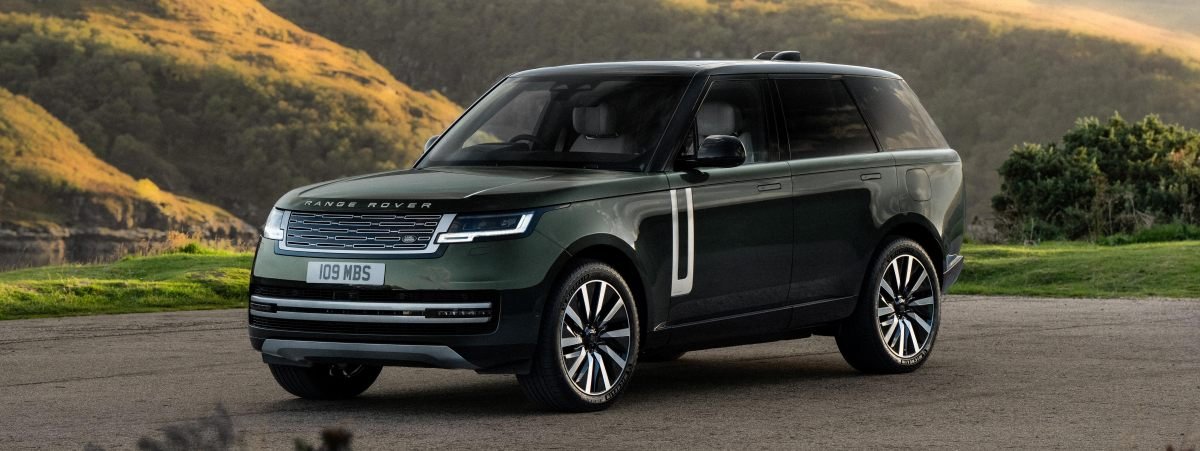
Jaguar Land Rover, Britain’s largest automotive employer, reported a loss of £451 million for the July-to-September quarter on Friday, as the cost of eliminating about 4,000 jobs outweighed a rebound in revenue. The luxury carmaker, owned by India’s Tata Motors, also lowered its profit margin forecast for the year and said it is pushing ahead with a two-year overhaul meant to make the business profitable at lower sales volumes.
Revenue rose to £5.9 billion in the quarter, The Guardian reported, but the company booked £530 million in one-off restructuring costs. Without those charges, JLR made a small operating profit, according to the newspaper. Weak sales in China and the Middle East also weighed on the result.
What happened
Most of the quarter’s exceptional charges were tied to the workforce reduction. Richard Molyneux, JLR’s chief financial officer, said £295 million of the £530 million related to a voluntary redundancy program covering about 4,000 people, Reuters reported. The Guardian said the large majority of the cuts are being made through voluntary departures, that 3,000 of them have already been confirmed, and that most of the affected staff will leave at the end of November.
The company’s adjusted core earnings margin for the quarter came in at 1.1%, and it burned through £540 million in free cash, according to Reuters. JLR cut its forecast for the adjusted core earnings margin in its 2027 fiscal year, which ends in March, to between 2% and 3%, down from about 4%. It blamed difficult market conditions and the exceptional costs. The company said it expects revenue of about £25 billion for the year and a free cash outflow of about £1.25 billion.
PB Balaji, JLR’s chief executive, told analysts after the results that the company’s plans to grow in the United States and to lower the number of cars it needs to sell to break even should support “consistent cash-accretive growth in the coming years,” Reuters reported. JLR is targeting double-digit growth in core earnings in fiscal 2028.
The turnaround plan
The restructuring centers on a £1.7 billion cost-cutting drive over two years. According to Reuters, the main elements are:
- Lower spending on manufacturing, materials, logistics and warranty claims.
- Cutting the company’s cash break-even point to roughly 300,000 vehicles a year.
- Launching new electric models and expanding in North America, where wholesale volumes rose 20% in the first half of the fiscal year.
JLR has started building electric Land Rovers, beginning with an electric Range Rover at its plant in Solihull, in England’s West Midlands, The Guardian reported. Electric versions of the Range Rover Sport, Defender and Defender Sport are planned.
China and trade pressures
China remains the company’s weakest market. JLR’s Chinese volumes fell sharply in the quarter, and Balaji said the market there was down almost 30%, according to Reuters. Retail figures released by Tata Motors in October showed JLR sold about 6,300 vehicles in China in the quarter, compared with 10,604 a year earlier, a drop the company linked to its Chinese joint venture, CJLR, halting production of locally built models in June, the Free Press Journal reported. By contrast, retail sales rose in the UK and North America, though total retail sales still slipped to about 79,000 from 85,371.
Balaji said JLR would keep investing in China while taking steps to protect its intellectual property, Reuters reported, a reference to the company’s legal case against BYD, China’s biggest carmaker.
He also urged Britain and the European Union to work together in the face of competition from Chinese electric-vehicle makers, The Guardian reported. He called on both sides to drop plans for new post-Brexit trade barriers. Carmakers are lobbying to delay so-called rules of origin, which set how much of a vehicle must be made locally to qualify for tariff-free trade. Unless they are postponed, the rules are due to take effect on Jan. 1 and could mean 10% tariffs on electric vehicles traded between the UK and the EU if their batteries come from Asia. The EU is also weighing “made in Europe” requirements that could exclude UK-built cars from subsidies, the newspaper said.
What comes next
JLR is still recovering from a cyberattack last year that shut down its production for weeks, Reuters noted, and restructuring costs and spending on new models are expected to keep pressure on cash flow in the near term. The company’s ability to hit its new margin range will depend on how quickly the cost savings arrive, whether demand in China stabilizes, and how the UK-EU trade rules for electric vehicles are settled before the January deadline.