Scout Motors Reservations Hit 212,000 as Plant Nears Completion
Volkswagen-backed Scout Motors says it has about 212,000 reservations for its Terra pickup and Traveler SUV as its $2 billion plant nears completion.
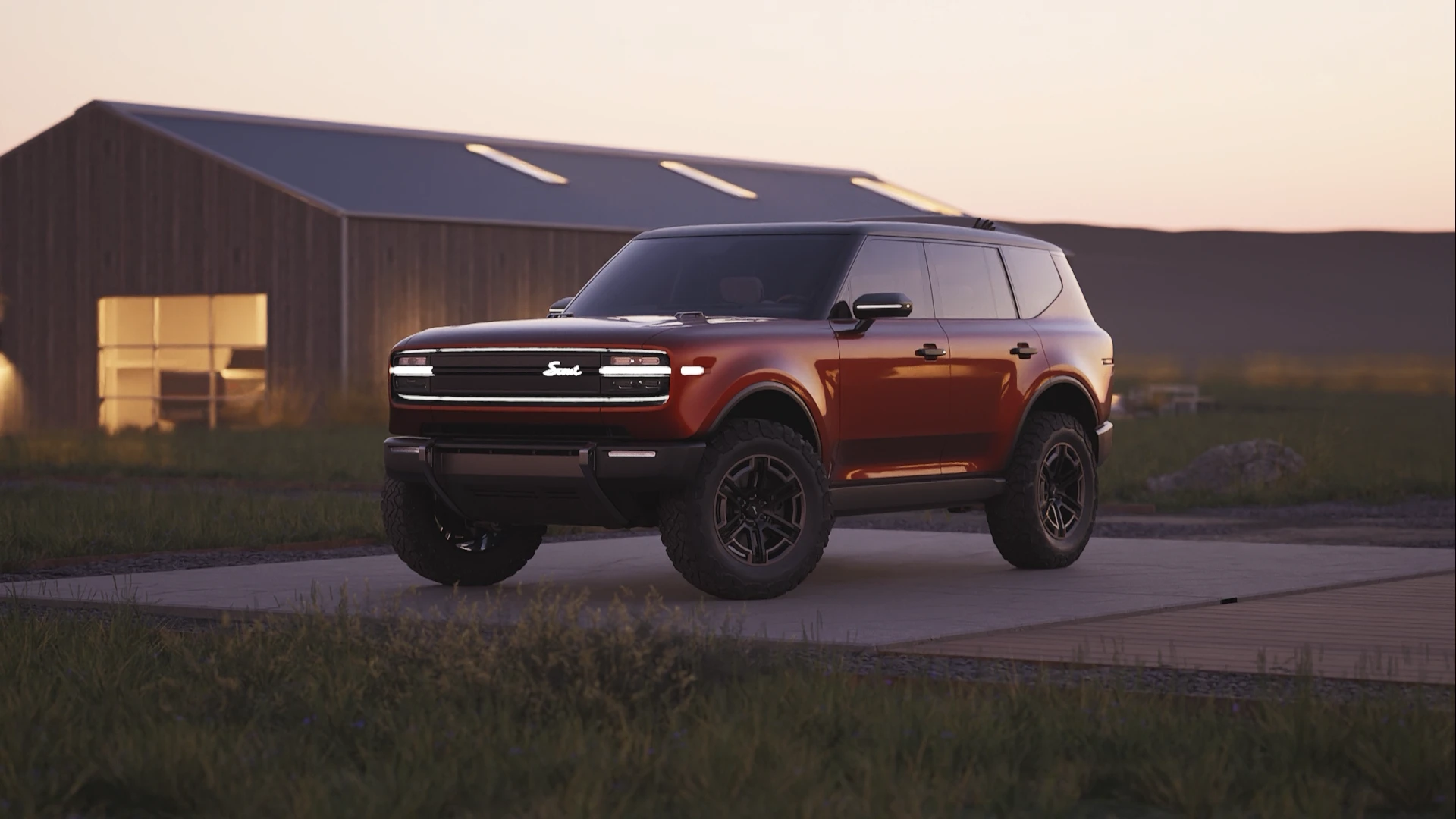
Scout Motors, the Volkswagen-backed startup reviving a classic American off-road nameplate, has collected roughly 212,000 reservations for its Terra pickup and Traveler SUV, Chief Executive Scott Keogh told CNBC on Thursday. He also said the company’s factory of more than $2 billion in South Carolina is now about 85% complete. Most of those would-be buyers want a version with a gasoline engine on board, not the fully electric model the brand was first built around.
What happened
Keogh told CNBC that construction at the South Carolina Production Center in Blythewood, outside Columbia, has reached its final phase. Work is still underway on supporting infrastructure and on a $300 million supplier park next to the plant. Scout expects full production to begin in 2027, with customer deliveries starting in 2028.
Keogh also predicted that demand would keep building before the first vehicles reach customers. “I think we could easily be up over 400,000 with reservations without doing too much effort,” he told the network. He said an order book covering 12 to 18 months of production “would be great.”
CNBC’s breakdown of the reservations shows how far the market has moved from the brand’s original all-electric plan:
- About 87% of reservations are for extended-range electric vehicles, or EREVs, which use a small combustion engine as a generator to recharge the battery.
- About 75% are for the Traveler SUV rather than the Terra pickup.
- Both models are expected to start below $60,000, and Scout plans to launch mid-level trims first instead of its most expensive versions.
Why it matters
The rising reservation count is a closely watched sign of demand for one of Volkswagen’s most ambitious bets in the U.S. Volkswagen ranked 11th in U.S. vehicle sales last year, behind Tesla, according to Motor Intelligence data cited by CBT News, an auto-industry trade outlet. The German automaker is counting on Scout to win share in the truck and SUV segments that dominate American car buying.
Scout is aiming at owners of off-road vehicles such as the Ford Bronco and Jeep Wrangler, along with full-size pickup drivers and Tesla owners, CNBC reported. Keogh described 100,000 units as the volume threshold at which the brand can “start to punch through.”
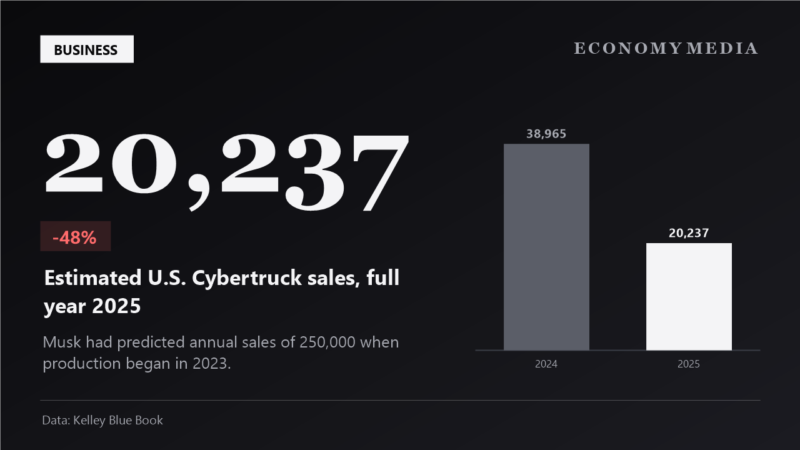
Reservations are not sales, however. CNBC noted that large early reservation tallies for the Ford F-150 Lightning and the Tesla Cybertruck did not turn into equally strong sales. Scout faces the same test once pricing, final specifications and delivery dates are set.
Background
Scout was an American vehicle brand from 1961 to 1980. Volkswagen revived the name in 2022 as a fully electric brand. Slower-than-expected EV adoption and higher costs in the U.S. later pushed the company to add range-extended versions, and it now plans to launch those models before the battery-only versions.
The shift toward gasoline-assisted models has been building for months. In March, Keogh said Scout had taken more than 160,000 reservations, with the same 87% share choosing the EREV, according to CBT News and Automotive World. Automotive World reported that Keogh had expected a split closer to 60/40 in favor of the range-extended model. That means bookings have grown by about 50,000 since spring while the powertrain mix has stayed steady.
Reported specifications vary between outlets. CNBC said the EREVs should offer more than 500 miles of total range, compared with about 300 miles for the all-electric versions. Automotive World put the battery-electric range at about 350 miles and said the EREV would pair a roughly 63-kilowatt-hour battery, good for about 150 miles on electricity alone, with a four-cylinder generator.
The timeline has also moved. CBT News reported in March that production had first been planned for 2027 before technical issues pushed customer deliveries to 2028. Scout now describes 2027 as the start of full production.
What comes next
Beyond finishing the plant, Scout is in a legal fight over how it will sell its vehicles. The company plans to sell directly to consumers, an approach Keogh has said “made the most sense, without a doubt” for the U.S. market. Volkswagen dealers in Connecticut and New York filed a lawsuit in March seeking class-action status. They allege that Scout is an extension of Volkswagen and is bound by its franchise agreements, according to Automotive World, which reported that dealers have filed separate suits in Colorado, California and Florida. The claims are allegations, and Scout has stood by its direct-sales plan.
For now, the company’s main task is turning a long list of reservations into firm orders once production starts in Blythewood.