JLR Bailiffs Raided BYD’s Dutch Offices in ‘Defender Clone’ Dispute
Bailiffs acting for Jaguar Land Rover seized records from BYD offices in the Netherlands as JLR alleges the Chinese carmaker's Ti7 SUV copies the Defender.
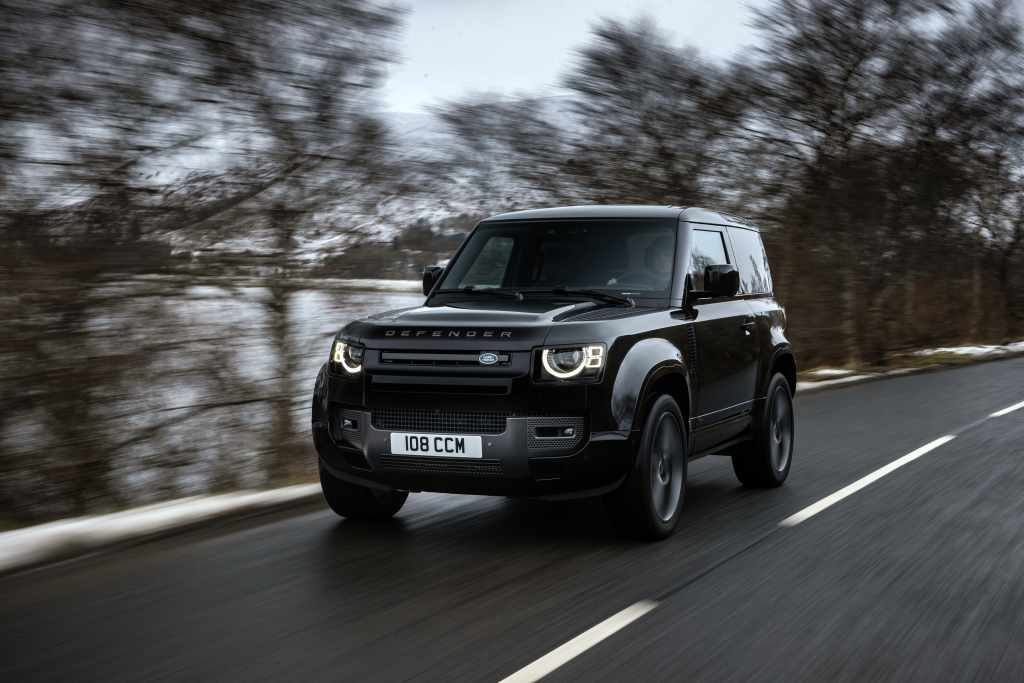
Bailiffs acting for Jaguar Land Rover, the British carmaker owned by India’s Tata Motors, seized digital records from two Dutch offices of Chinese rival BYD this summer, as JLR builds a legal case alleging that BYD’s new Ti7 sport utility vehicle copies its best-selling Land Rover Defender. The raids, first reported by The Sunday Times and since covered by The Guardian and The Telegraph, came ahead of court proceedings in The Hague that could shape how far European automakers can go in policing look-alike Chinese models.
Neither company would discuss the case. A JLR spokesman told The Telegraph that the company “does not comment on ongoing legal proceedings,” and BYD said it would not comment on an ongoing legal matter. None of the allegations has been tested in court.
What happened
According to The Guardian, citing The Sunday Times, the bailiffs entered BYD’s premises in Schiedam, near Rotterdam, and Hoofddorp, near Amsterdam, in August under a court order JLR had obtained. JLR reportedly suspects that BYD reverse-engineered technology used in the Ti7 and wanted the records secured before they could be destroyed.
The Telegraph reported that JLR is trying to gather evidence that BYD set out to copy the Defender’s design deliberately, rather than simply producing a car that happens to look similar. That distinction could matter in an intellectual property case, where intent and the specific design features at issue can carry significant weight.
BYD has pushed back. At a hearing in The Hague last month, the company described JLR’s move as a “fishing expedition,” The Telegraph reported. The accounts differ slightly on timing: The Telegraph said a Dutch court was expected to rule this week on procedural questions, including whether the case can go forward, while The Guardian described a court case this week that will determine whether BYD has a case to answer over the infringement claims. Tech Digest, a UK technology news site, reported that the procedural ruling is also expected to address whether the seized evidence can be used.
The Netherlands was reportedly chosen as the venue because of its strong intellectual property laws, according to The Telegraph.
The car at the center of the dispute
The Ti7 is a boxy, seven-seat plug-in hybrid 4×4 that went on sale in China in September 2025, The Guardian reported. Motoring reviewers have repeatedly compared it to the Defender, and the car magazine Top Gear labeled it a “Chinese Defender clone,” according to The Guardian.
The price gap is a central part of the competitive threat. BYD plans to launch the Ti7 in the UK in January at £47,995, more than £20,000 below the comparable seven-seat Defender, both papers reported. The Guardian noted that the Defender 110 starts at £68,465.
JLR ultimately wants to keep the Ti7 off the European market, The Telegraph reported, but the case is not expected to be resolved before the car goes on sale in January.
- BYD Ti7: seven-seat plug-in hybrid SUV, planned UK price £47,995
- Land Rover Defender 110: starting UK price £68,465
- Defender retail sales, July to September: 29,500, up from 25,370 a year earlier, per The Guardian
Why it matters
The Defender is one of JLR’s most important products. The model’s boxy shape traces back to the original 1948 Land Rover, though the Defender name was only introduced in the 1980s, The Telegraph noted. Production stopped in 2016 and resumed three years later.
The dispute also unfolds as Chinese brands make rapid gains in Britain. Chinese manufacturers now account for almost a quarter of new car sales in the country, according to The Telegraph, which reported that BYD’s UK sales rose about 80% over the past year and that the company now accounts for more than one in every 20 cars sold there.
JLR’s relationship with China is complicated. The company formed a joint venture with Chinese automaker Chery in 2012, The Guardian reported, and Chery licenses the Freelander design from JLR. Chery’s Jaecoo brand, whose Jaecoo 7 has been nicknamed the “Temu Range Rover,” was the UK’s best-selling car in October, with 10,813 registrations, according to figures from the Society of Motor Manufacturers and Traders, the UK auto industry body, cited by The Guardian. Range Rover sales, meanwhile, fell to 43,300 in the third quarter from 47,196 a year earlier.
Yin Tongyue, chairman of Chery, told The Sunday Times that the company wants to become more British and hinted at interest in buying the Jaguar brand, The Telegraph reported.
What comes next
JLR has fought look-alike vehicles before. In 2019, after a three-year legal battle, it won a case to stop Chinese automaker Jiangling Motor Corporation from selling a copycat vehicle, The Guardian recalled. That precedent suggests such disputes can take years to resolve.
The immediate question is how the Dutch court handles the procedural issues, including whether the case can move forward. Even if JLR prevails at that stage, any decision on whether the Ti7 actually infringes the Defender’s rights is likely to come only after BYD’s planned January launch.