Nvidia Beats Forecasts, Halts China Chip Sales in First Post-Huang Report
Nvidia posted $115.84 billion in quarterly revenue and guided to $130 billion, while its interim CEO said shipments of licensed H200 chips to China have stopped.
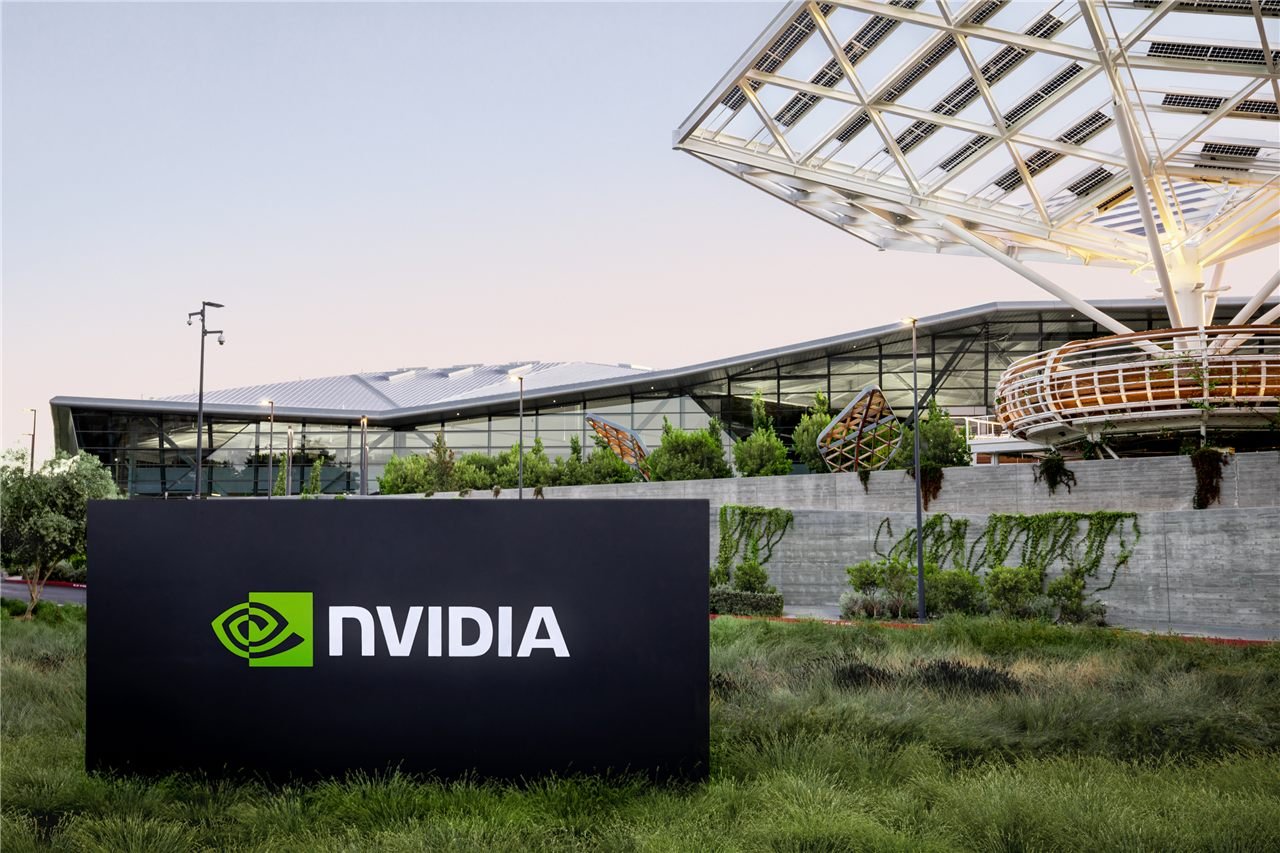
Nvidia reported third-quarter revenue of $115.84 billion on Tuesday, well above Wall Street forecasts, and projected an even larger fourth quarter. It was the chipmaker’s first earnings report since co-founder Jensen Huang abruptly resigned as chief executive last week. On the same call, interim CEO Colette Kress said Nvidia has stopped shipping the AI chips that Washington had cleared it to sell in China. Investors focused on the strong numbers: Nvidia shares rose almost 4% in premarket trading Wednesday, CNBC reported.
What happened
According to CNBC, the revenue figure beat the $109.10 billion that analysts polled by LSEG had expected by more than $6 billion. Nvidia forecast fourth-quarter revenue of $130 billion, above the consensus estimate of $125.1 billion. TechCrunch reported that net income reached $64.9 billion, up from $59.7 billion in the prior quarter.
Kress, who had been Nvidia’s longtime chief financial officer before stepping in as interim chief executive, told CNBC’s “Mad Money” that large cloud providers are “feverishly looking” for more of the computing capacity Nvidia can supply. Asked whether major customers had changed course since the leadership upheaval, she said they “are all continuing to be with us.”
Shares of so-called neoclouds also rose in premarket trading, CNBC reported. These are smaller cloud companies that rent out Nvidia-powered computing. CoreWeave gained 5.7%, Nebius 7.3% and Iren 6.2%.
China sales come to a halt
The most significant strategic disclosure concerned China. “We are no longer shipping licensed Hopper data center products to China,” Kress said on the earnings call, according to Gizmodo. Hopper is the chip architecture behind the H200, the AI accelerator that President Donald Trump said in December of last year Nvidia could sell to “approved customers” in China, with 25% of the proceeds going to the U.S. government.
Those sales were not trivial. Gizmodo, citing Bloomberg, reported that Nvidia sold $2.4 billion worth of H200 chips to China in the third quarter. Nvidia said its outlook does not assume “any Data Center compute revenue from China,” CNBC reported.
The change comes as Washington tightens controls. On Monday the Commerce Department announced a rule restricting Chinese companies’ remote access to advanced computing in data centers outside China, according to CNBC. Export controls already effectively block China from importing Nvidia’s most advanced chips.
A more cautious approach to financing
Kress also explained the limits of Nvidia’s role in funding the data centers that buy its chips, an area that drew criticism under Huang. Critics had faulted what they called “circular deals,” in which Nvidia invests in customers that then buy its products, TechCrunch reported.
The largest of these arrangements is a $105 billion loan backstop for OpenAI’s PORTS-Pike data center campus in Ohio, announced in August. According to TechCrunch, Nvidia said in its quarterly commentary that guaranteeing a loan does not mean it lends the money itself. The guarantee applies only after the customer has secured its own financing and installed Nvidia equipment. If a project is delayed or runs into construction problems, Kress said, the guarantee “doesn’t exist anymore.” She described this as a clarification of existing terms, not a change in policy.
Nvidia will keep helping finance data centers but will be more selective, Kress said, and is “taking a very strong look” at which companies it supports. She named help with land, power and building shells as a priority.
Leadership questions linger
The results arrive at a turbulent moment. Huang resigned last week under pressure after reports about his personal conduct, Gizmodo reported. In his first public statement since stepping down, he said he was open to returning, according to CNBC. TechCrunch reported that more than 197,000 people, including Elon Musk, signed a petition over the weekend calling for his reinstatement.
The board has rejected that idea for now. Harvey Jones, Nvidia’s newly named board chair, said on the call that the board “does not intend to reinstate Jensen as CEO,” according to Gizmodo and CNBC. For now, the company’s results suggest that demand for its AI hardware remains strong despite the turmoil at the top, even as its business in China disappears.