Nvidia H200 Buyers Cleared by US Include Firm With Empty Beijing Office
A New York Times investigation found that at least two Chinese firms cleared to handle Nvidia's H200 AI chips appear to have no real operations.
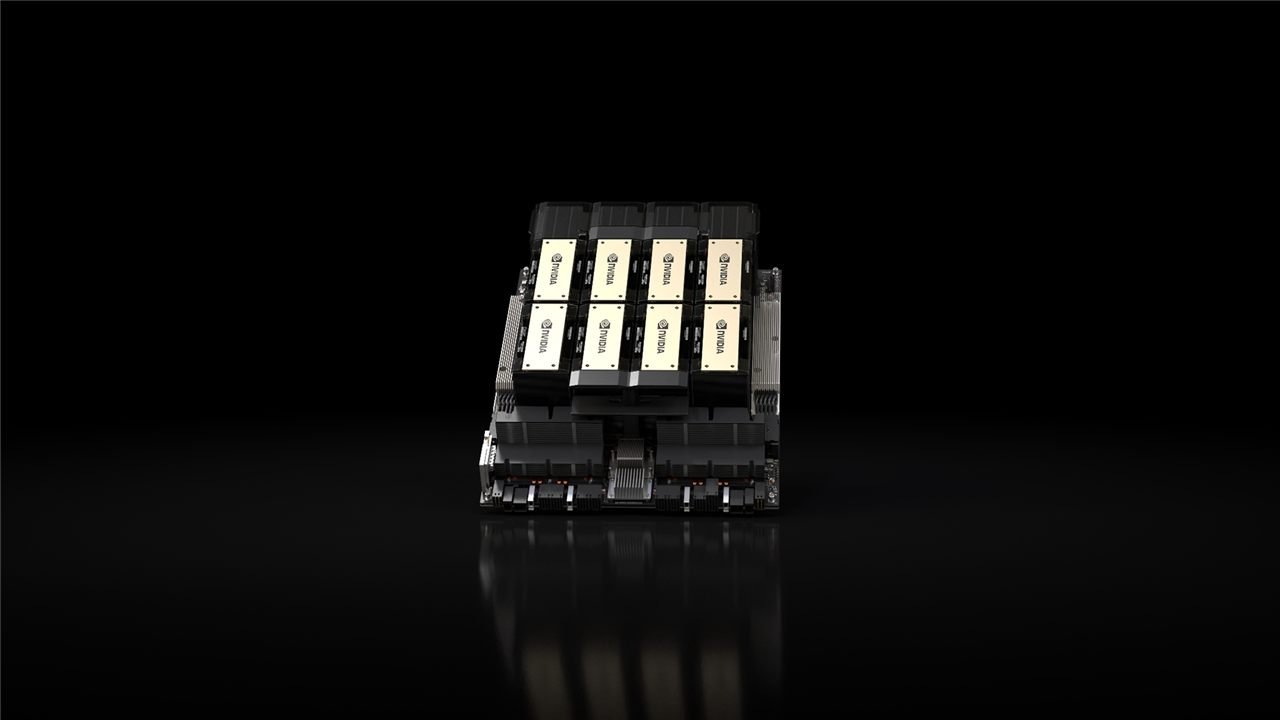
At least two Chinese companies that the U.S. government cleared to handle Nvidia’s H200 artificial intelligence chips appear to have no physical operations, according to an investigation by The New York Times. The findings have renewed questions about how closely Washington and the chipmaker are checking who receives some of the most advanced semiconductors the United States allows into China.
The Times reported that one approved company, New Matrix, lists its address at a building on the northwest edge of Beijing that its reporters found empty, describing the space as “a hollow gray shell with wires dangling from the ceiling where lights should be.” The Verge, which summarized the report, said the firm did not appear in the building’s directory and that staff at a nearby property management agency said they had no record of it.
What the investigation found
According to the Times, the Commerce Department has approved roughly two dozen Chinese companies to buy or handle the H200, a powerful Nvidia data center chip used to train and run AI models. The list reportedly includes well-known names such as search giant Baidu, electric carmaker BYD and Tesla’s Shanghai operation, according to a summary of the report by the newsletter AI Weekly. Earlier reporting in May had described about 10 approved buyers, including Alibaba, Tencent, ByteDance and JD.com, suggesting the list has grown since then.
The investigation focused on two lesser-known names:
- New Matrix, a Beijing company created about 17 months ago, was cleared to assemble H200 chips into AI servers. Chinese corporate filings cited by the Times tie its owners to Wise Road Capital, a Chinese private equity fund that the Commerce Department added to its entity list, a trade blacklist, in 2024 for allegedly helping Beijing acquire strategically sensitive semiconductor companies.
- Maginfra, approved under the same program, also had a deserted office when Times reporters visited in September. Analysts cited by the newspaper believe it is linked to Inspur, a Chinese server maker that was placed on the entity list over work with the Chinese military.
The reports do not establish whether any H200 chips were actually delivered to New Matrix or Maginfra, how many might have been involved, or what checks were carried out before the companies were approved. An empty office alone does not prove wrongdoing, and neither company’s response was included in the accounts reviewed.
How Nvidia and Washington responded
A spokesman for the Bureau of Industry and Security, the Commerce Department agency that oversees export controls, said the office carefully reviews every application for national security risks, according to AI Weekly’s account of the Times report. John Rizzo, an Nvidia spokesman, said it “makes no sense for the Chinese military to depend on American technology.”
Critics were less reassured. Liza Tobin, a former China director at the White House National Security Council, told the Times she had “a ton of concerns” that neither the Commerce Department nor Nvidia was doing the due diligence needed to make sure licensing terms were being followed.
Why it matters
The United States began restricting exports of advanced AI chips to China in 2022, arguing that the technology could strengthen China’s military. President Donald Trump loosened that approach in December 2025, when he announced that Nvidia could sell the H200 to approved Chinese customers, with 25% of the revenue going to the U.S. government, according to The Next Web. That share was higher than the 15% cut Nvidia and rival AMD accepted on sales of their less powerful H20 and MI308 chips in August 2025.
Rules issued in January require Chinese buyers to show they have adequate security procedures in place and will not use the chips for military purposes. Approved customers were reportedly limited to 75,000 chips each, though the Financial Times later cited a ceiling of 100,000, a discrepancy that has not been resolved publicly.
The sales have been slow to materialize. Beijing initially held up H200 shipments at customs and has pushed domestic companies to favor Chinese-made chips. The Financial Times reported in August that ByteDance and Tencent had each received about 10,000 H200s, with Beijing steering the hardware toward Hong Kong. In July, Jeffrey Kessler, the Commerce Department’s under secretary for industry and security, told the House Foreign Affairs Committee that “very few” H200s had reached China or Hong Kong. According to AI Weekly, H200 shipments to China made up less than 1% of Nvidia’s data center revenue in the quarter ending in July.
What comes next
The findings add to existing pressure on chip export enforcement. Nvidia more than halved its list of approved buyers in Asia in July after U.S. prosecutors charged people linked to server maker Supermicro over an alleged scheme to route Nvidia chips into China, The Next Web reported. The company and its chief executive, Jensen Huang, have also faced scrutiny this week over a separate U.S. intelligence memo about Chinese espionage efforts.
Open questions remain, including whether any chips reached the two companies and whether the Commerce Department will review or revoke their licenses. Neither the department nor Nvidia has publicly detailed the vetting each approved buyer underwent.