Nvidia Reinstates Jensen Huang as CEO as Probes Continue
Nvidia's board reversed course and brought back Jensen Huang as CEO 11 days after his resignation, while internal and government investigations go on.
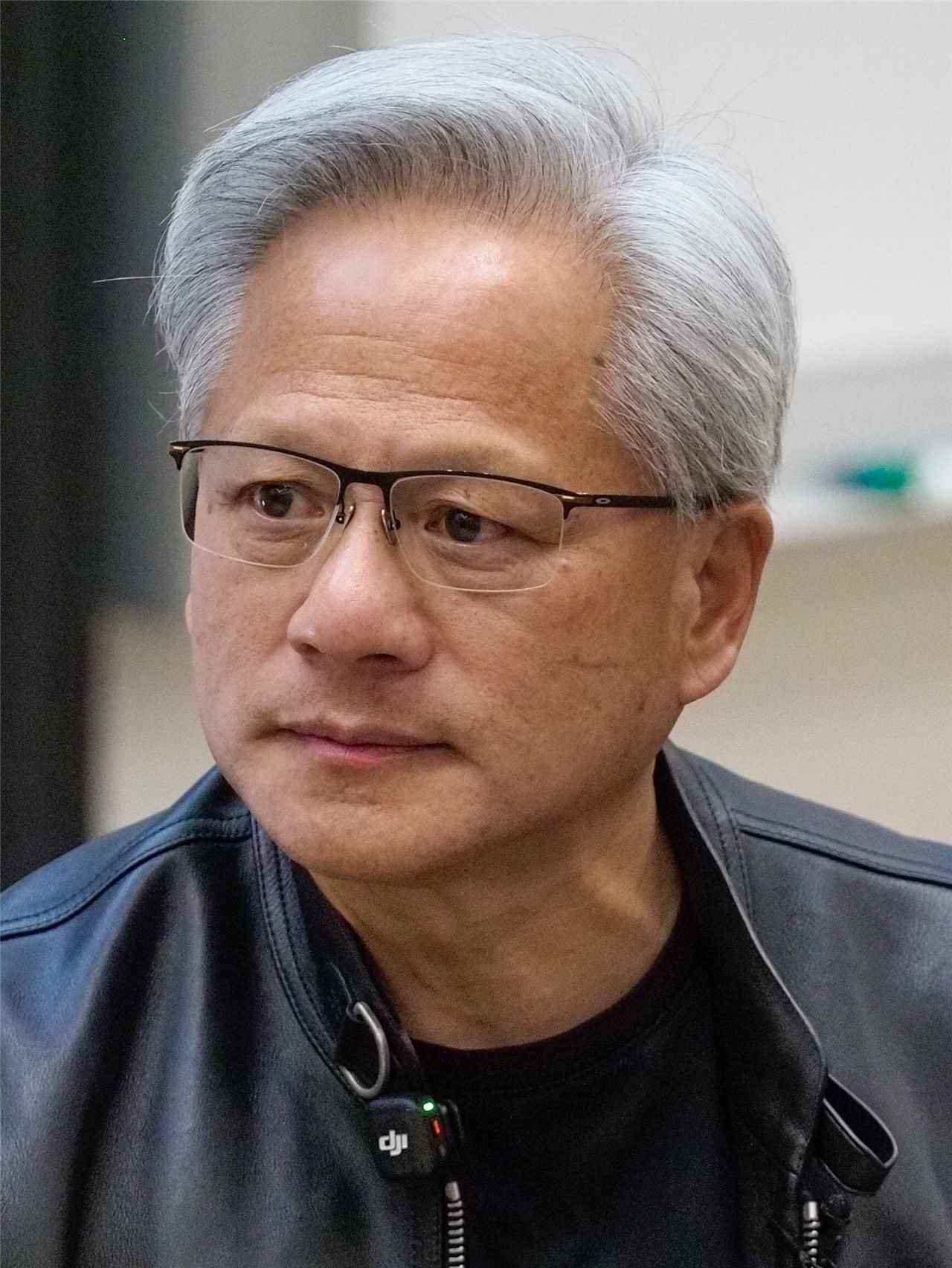
Nvidia’s board reinstated Jensen Huang, the company’s co-founder, as president and chief executive on Monday, Nov. 23, reversing an earlier decision and returning him to the job 11 days after he resigned. The company said an independent investigation tied to the circumstances of his exit will continue, and CNBC reported that Nvidia also faces scrutiny from California and federal authorities.
What happened
Huang resigned as CEO on Nov. 12. According to Nvidia’s filings, board chair Harvey Jones said at the time that Huang had disclosed personal behavior inconsistent with the company’s code of conduct. CNBC reported that the resignation followed reports of extramarital relationships, including one with a woman whom U.S. intelligence reportedly believes to be a Chinese spy. Those reports have not been independently confirmed by Economy Media, and Huang has not been quoted in the sources reviewed as addressing them directly.
On Nov. 17, Jones said the board had unanimously accepted the resignation and did not intend to reinstate Huang. Colette Kress, Nvidia’s chief financial officer, led the company as interim CEO during that period.
Six days later, the board reversed itself. In a press release filed with the Securities and Exchange Commission, Nvidia said the board voted unanimously, effective immediately, after a series of discussions with Huang, and was satisfied with his candor and ability to lead. The board also said it had received input from senior levels of the U.S. government and was confident his return poses no national security risk. The release did not name any agency or official. Kress remains CFO, and Jones remains board chair.
“I am honored to return to NVIDIA,” Huang said in the release, adding that he takes the responsibility “with the greatest humility and renewed commitment.”
The investigations are not over
Nvidia said a committee of independent directors, advised by outside counsel, is investigating reports that Huang was the target of a foreign intelligence effort. The board said that inquiry will proceed to conclusion and that Huang supports it and will cooperate. No findings have been announced.
CNBC reported that the California Department of Justice is examining whether Nvidia’s advanced chips or confidential information may have gone to China and whether the company misled investors and the public. CNBC also cited a Reuters report from Nov. 20, based on unnamed sources, that the SEC is looking at Nvidia’s accounting practices; the SEC declined to comment. Nvidia said it will keep cooperating with government investigations and inquiries. It has also set up a national security and export control committee and is searching for a chief compliance officer.
CNBC said Huang is expected to appear before Congress twice in December, where lawmakers are likely to ask about China’s access to advanced Nvidia chips and U.S. export controls.
Trump’s role and the market reaction
President Donald Trump told CNBC on Monday that he personally intervened by speaking with the board about bringing Huang back. CNBC also reported that Trump said on Truth Social that the government has no reason to believe the return poses a national security risk and has no evidence Huang engaged in unlawful conduct. The New York Times reported that governance experts say Trump effectively overrode the board, and that reinstating Huang before the probe ends could invite shareholder lawsuits and political scrutiny. Nvidia has not publicly responded to that characterization in the reports reviewed.
Nvidia shares rose 31% on Monday, according to CNBC, which said the move added nearly $1 trillion in market value. The Nasdaq composite gained more than 6%. On Tuesday, shares were about 5% lower in premarket trading, CNBC reported.
Analysts quoted by CNBC were divided on the risks. Sebastien Naji of William Blair said the return clears some uncertainty but that recent events exposed deeper questions about governance and succession. Cody Acree of StoneX called the board’s investigation the key risk, saying findings that confidential information was shared would reopen the leadership question.
What is not yet known
The board’s investigation has not reported conclusions, and no charges have been announced against Huang or Nvidia. It is unclear what the U.S. government input consisted of, and Nvidia has not detailed why the board changed its position in six days. Huang has not been accused of a crime in any of the sources reviewed.