US Blacklists Megaspeed, Firm at Center of Nvidia Scandal
Commerce added Singapore-based Megaspeed and six linked firms, including an Alibaba unit, to its trade blacklist over AI chip diversion risks.
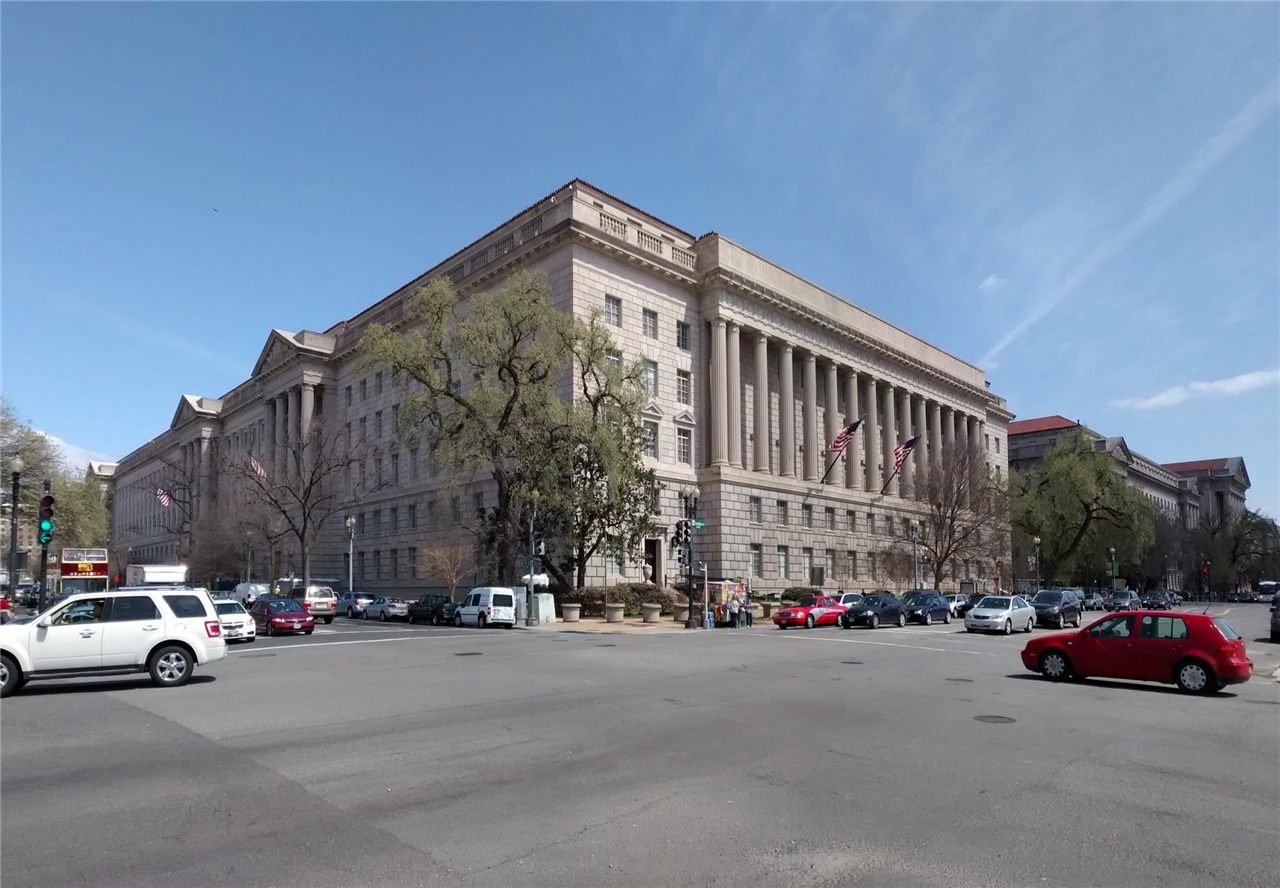
The U.S. Commerce Department on Monday added Megaspeed International, a Singapore-based data center company at the center of the scandal that has engulfed Nvidia, to its trade blacklist, along with six affiliated or linked firms in Southeast Asia. The move came hours after Nvidia’s board reinstated Jensen Huang as chief executive, and after months of pressure from other parts of the Trump administration to act against the company.
What happened
The Bureau of Industry and Security (BIS), the Commerce Department agency that administers U.S. export controls, placed the seven entities on its Entity List, a register of foreign companies that U.S. suppliers cannot sell to without a government license. Semafor, which first reported the plan, said the listing took effect Monday afternoon in a filing posted for public inspection in the Federal Register.
According to the filing as quoted by Semafor and Reuters, the companies were added because of the “significant risk” that they were or could become involved in diverting advanced computing products to unauthorized end users. The license requirement covers all items subject to U.S. export rules, and applications will be reviewed under a presumption of denial, Semafor reported. Al Jazeera noted that this includes Nvidia’s top-end graphics processors used to train and run artificial intelligence systems. Shipments already in transit will be allowed through.
The entities named by BIS, as reported by Al Jazeera and Reuters, include:
- Megaspeed International and its affiliates, including units in Malaysia and Thailand
- MSFusion and Speedmatrix, both tied to Megaspeed’s Malaysian operations
- Swiftdata, a Singapore-registered firm
- Apex Enterprise Solutions, the Singapore subsidiary of Chinese tech giant Alibaba
Thomas Wackman, a BIS spokesman, told Semafor the listing makes it unlawful to export any U.S.-origin goods, software or technology to Megaspeed, and that Commerce “will continue to vigorously enforce export controls.”
Reactions from Alibaba, Megaspeed and Asia
Alibaba rejected the designation of its unit. In a statement cited by Reuters, the company called the listing “erroneous,” said Apex had never diverted export-restricted chips, and said it would pursue all legal avenues to protect its rights and reputation. Reuters, citing a person familiar with the matter, reported that Apex had paid Megaspeed and other companies about $4.2 billion in advance to rent computing capacity in Southeast Asia, a type of prepayment the person described as common.
Megaspeed did not respond to Al Jazeera’s request for comment. The company has previously described itself as a “legitimate and lawful business” and has not been found to have violated export rules.
Lawrence Wong, Singapore’s prime minister, said on Tuesday that his country did not want to be “used and abused” by companies trying to get around U.S. export controls. Singapore has its own investigation into Megaspeed and six linked individuals underway, Reuters reported. Malaysia’s trade ministry said one of the listed firms was not a Malaysian entity according to its records, and that it would advise local data center operators not to host or serve the designated companies.
Why it matters
Megaspeed has become the focal point of a political storm in Washington. U.S. officials accuse Alice Huang, the company’s former chief executive, of working with China’s Ministry of State Security on an intelligence operation targeting Jensen Huang, according to Al Jazeera, which said the claims rest on U.S. intelligence first reported by The New York Times and the Financial Times. Semafor reported that Jensen Huang resigned less than two weeks ago amid scrutiny of his extramarital affairs, including one with Alice Huang. She has not commented publicly, and Beijing has dismissed the allegations as “groundless speculation.”
The episode has also put Howard Lutnick, the commerce secretary, under pressure. Scott Bessent, the Treasury secretary, said earlier this month that Treasury, the Pentagon, the State Department and the U.S. Trade Representative had supported listing Megaspeed “for months,” but that “Commerce holds the pen,” Semafor reported. Bipartisan lawmakers have pressed Lutnick to explain his department’s decisions on Nvidia, Megaspeed and chip export controls.
Some analysts questioned the broader policy. Shaoyu Yuan of New York University told Al Jazeera that Washington was blacklisting a middleman while still licensing Nvidia to sell its H200 chips to China, calling the approach incoherent.
Background and what comes next
Megaspeed was incorporated in 2015 as 7Road International and took its current name in March 2023, according to Reuters. It became an official Nvidia cloud partner in the Asia-Pacific region in November 2023. U.S. authorities opened an export-control investigation into the company in 2024, and in June 2025 Nvidia added Megaspeed to its own “no sell” list, according to a joint Justice and Commerce Department statement cited by Reuters.
The Justice Department is investigating whether Megaspeed broke U.S. export controls by shipping Nvidia chips to China, Semafor reported. The company has denied wrongdoing. Reuters also noted that the U.S. last week tightened restrictions on Chinese firms’ remote access to advanced AI chips through Singapore and other Southeast Asian markets, part of a wider effort to close routes around American export rules.
The rule is scheduled to be formally published in the Federal Register on Wednesday. Alibaba’s pledge to fight the listing and the ongoing investigations in Washington and Singapore suggest the dispute is far from settled.